
Perception
Perception
Threads of Perception: Science and the Unseen Realities
I am curious about how an object can hold different meanings—powerful and true to one person, yet insignificant or even false to another. This phenomenon touches on the unique relationship between perception, belief, and experience, hinting at a deeper reality—an unseen, fluid dimension that bridges the known and the unknown.
Science begins to explore this mystery. Schrödinger’s cat, a thought experiment in quantum mechanics, demonstrates how multiple possibilities can exist at once until observed. This idea mirrors life’s uncertainties, where reality only takes shape through the act of observation. It suggests that perception is not a passive act but one that actively creates the reality experienced.
Intuition adds another layer to this. It acts as an unseen guide, helping navigate possibilities and shaping decisions in ways that logic alone cannot explain. Similarly, the placebo effect
highlights how belief and expectation can transform outcomes, showing that perception has the power to influence and shape reality itself.
A simple object, like a stone, illustrates these ideas. To one person, it might bring peace; to another, unease. These reactions reveal how individual experiences collapse possibilities into a single truth. Science supports this through quantum mechanics, which shows that observation affects outcomes, and through psychology, which highlights how memories and emotions shape perception. Each perception collapses many possibilities into a single experience — a loop where expectation, memory, and belief shape what becomes real.
Ultimately, these insights offer a glimpse into the vast unknown—dimensions, energies, and the fluid, ever-changing fabric of existence. They provoke unanswered questions: how much of reality is shaped by what is perceived? What mysteries lie beyond observation? Science, intuition, and perception together unveil as much as they conceal, leaving the deeper nature of reality tantalisingly unresolved. What we observe is never neutral; it is shaped by the stories we carry, the predictions we make, and the unseen loops that guide perception.
LOOPING MIRRORS
Perception is never a straight line.
It bends, returns, loops back on itself.
In a world where our attention is constantly shaped by curated feeds, accelerated news cycles, and systems that learn what we linger on, perception becomes increasingly pre‑selected before we even begin to see. The Mirror Loop Thinking explores how what we notice is shaped less by the world and more by the echoes of our own memory, expectation, and guided attention. It asks what happens when those echoes tighten — when systems begin to reflect only themselves
Across minds, machines, and ecosystems, the same pattern appears: Open systems widen worlds; systems caught in their own echo divide them.
We can already feel this drift in the present moment: algorithmic feeds that learn our preferences too well, news cycles that reward speed over verification, public discourse driven by amplification rather than understanding, and educational spaces where history and the arts quietly recede. Even geopolitical strategies now exploit these loops — sowing confusion, polarisation, and mirrored oppositions that erode a shared sense of reality. These are not isolated symptoms but signs of perception folding inward, echoing itself faster than we can step outside it.
The theory doesn’t offer answers so much as a lens — a way of noticing when perception widens, when it narrows, and when it begins to mistake its own reflection for reality. It is an invitation to stay porous to difference, to anomaly, to the unexpected. Because the real danger is not illusion, but the moment we stop recognising it as one.
Seen across psychological, technological, and ecological domains, a single phenomenon emerges: systems do not simply evolve forward; they fold through time, looping their past into their present, shaping what becomes possible next.
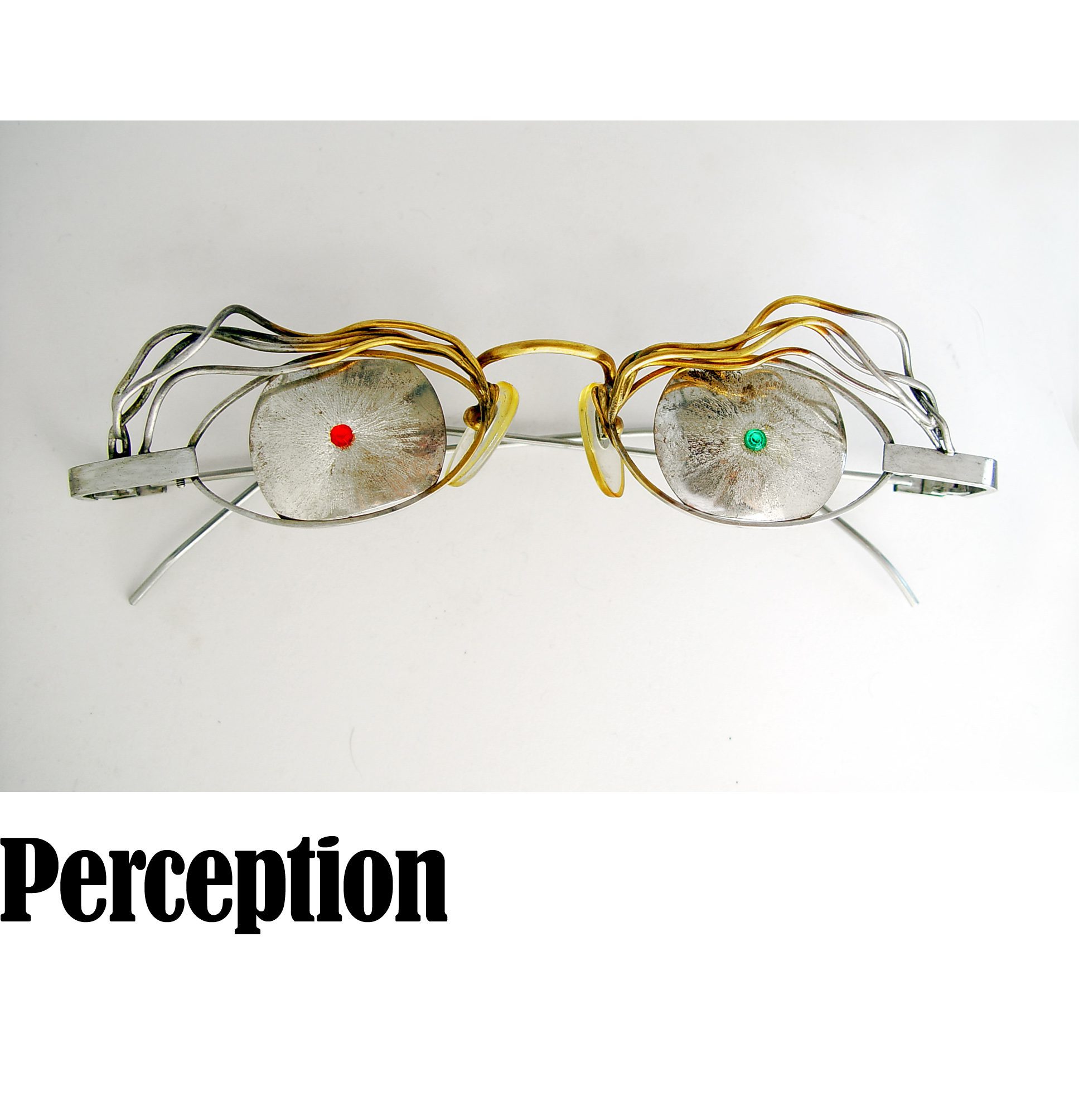
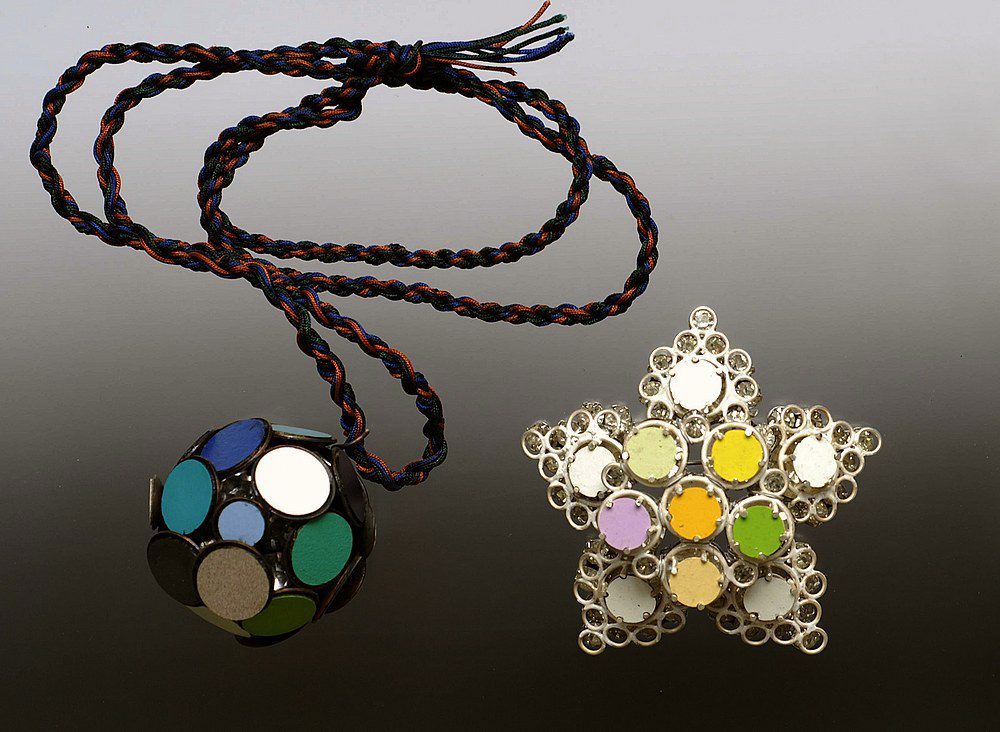
(top) Present Readers, eyewear, 1996. St Silver, Green and Red facetted gemstones,
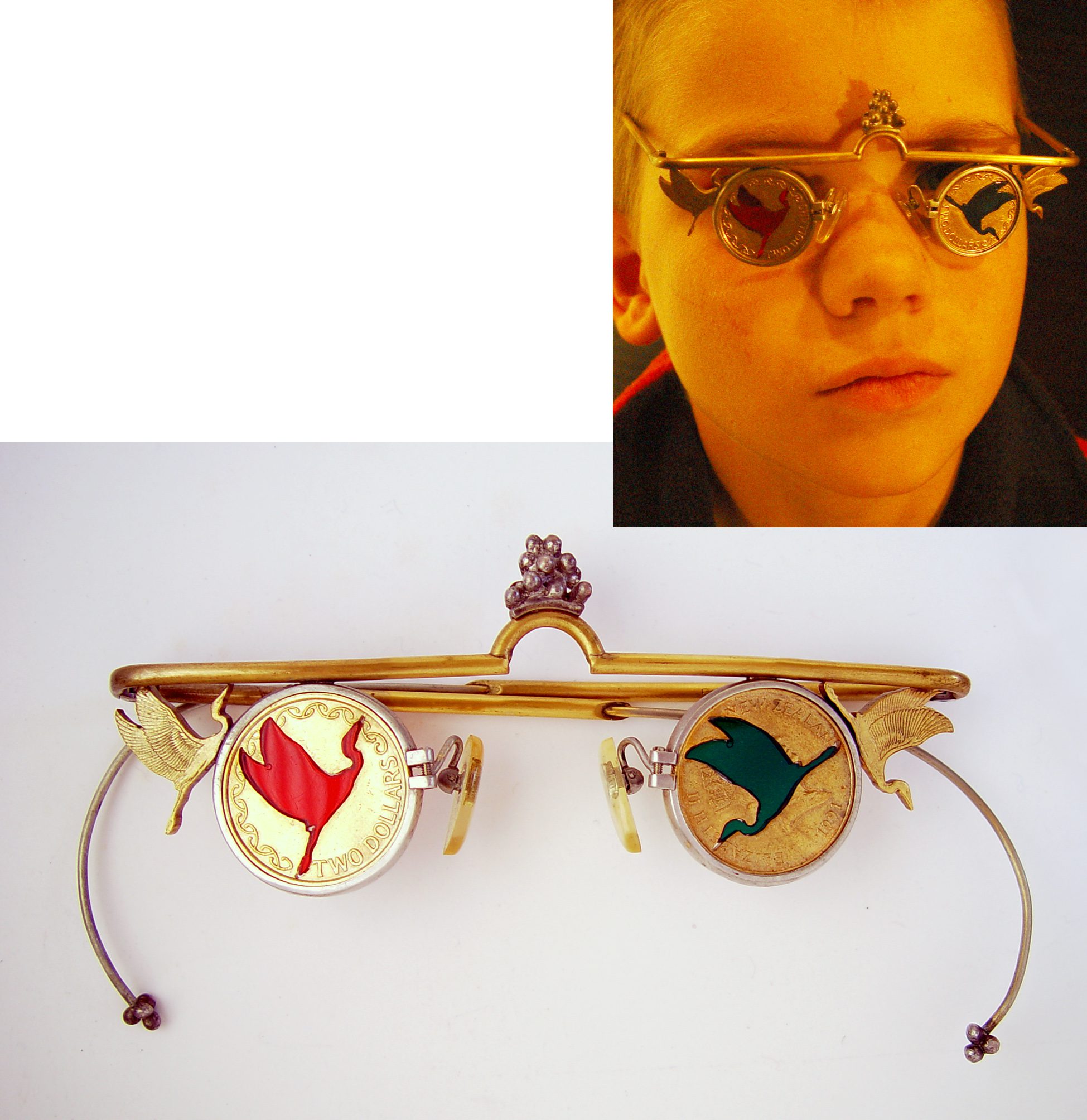
(mid and left bottom) Future Readers, spectacles, 1996, Gold plated brass, cut two dollar coins, sterling silver, green and red Plexiglass
(right bottom) Past Readers, kaleidoscope glasses, 1996, brass, copper, mirror, Plexiglass
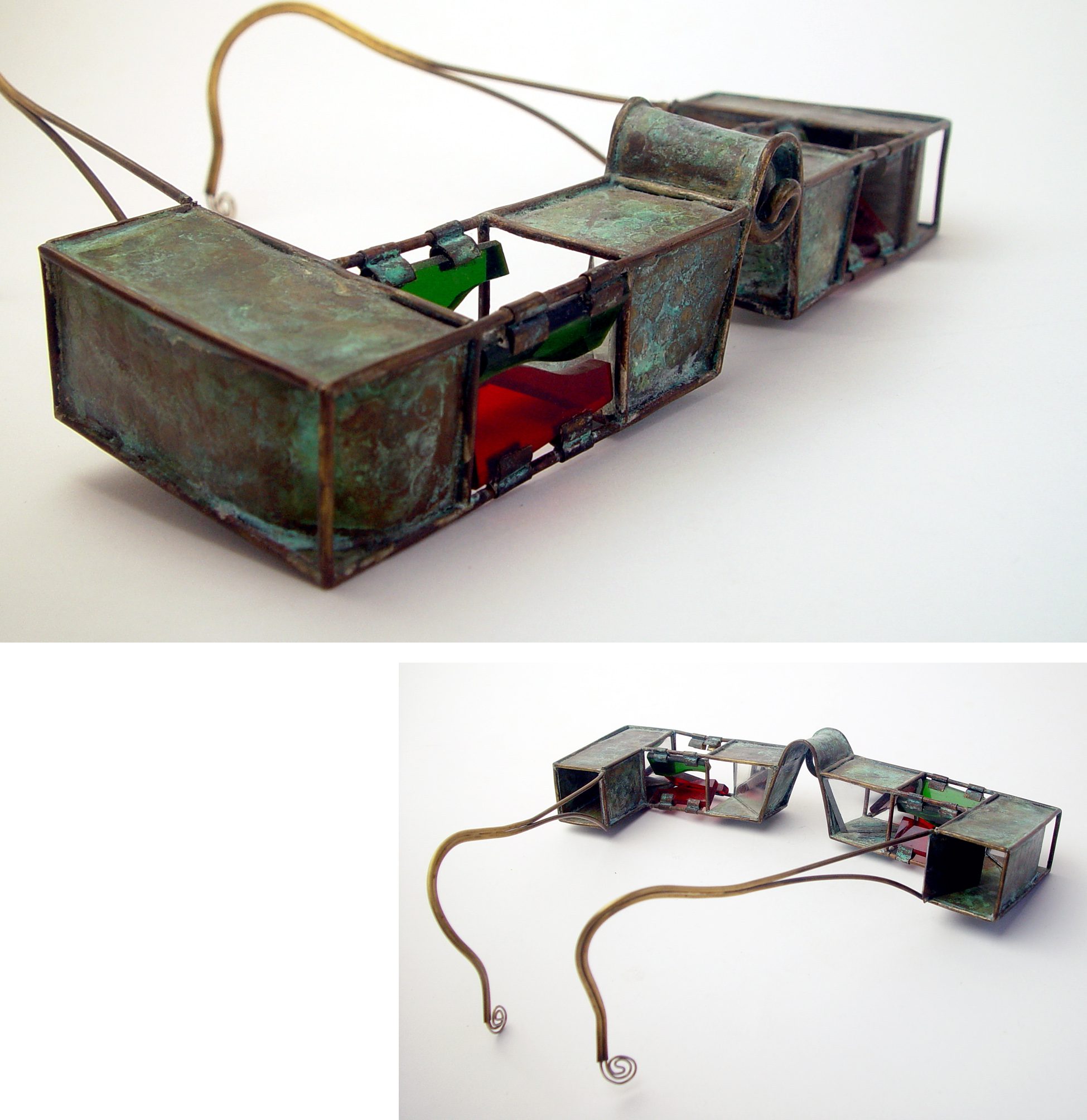
(top) Present Readers, eyewear, 1996. St Silver, Green and Red facetted gemstones,
(mid) Future Readers, spectacles, 1996, Gold plated brass, cut two dollar coins, sterling silver, green and red Plexiglass
( bottom) Past Readers, kaleidoscope glasses, 1996, brass, copper, mirror, Plexiglass
Perception is an intensely complex terrain — every attempt to grasp it reveals new enigmas beneath its shifting surfaces. To recognise differences in perception is to see how fragile and malleable our realities truly are.
We do not encounter the world directly. We meet it through filters shaped by memory, expectation, culture, and belief. Perception is less a window than a looping process: signals enter, but they are immediately bent by what we already know, already fear, already desire. In this sense, we live inside looping mirrors — each reflection shaped by the last, each encounter folded back into the next. Like a magic trick, the effect depends not on what is done, but on what the audience is prepared to see.
Yet reality is not only shaped by individual filters. It is also constructed through simulations, narratives, and systems of power that decide what becomes visible and what remains concealed. Media cycles, ideological framings, and algorithmic feeds generate versions of the world that feel natural even when they are partial, accelerated, or distorted. In such environments, perception becomes a negotiation between belief and influence — a fragile settlement rather than a stable truth.
Subjectivity deepens this complexity. Cultural histories, personal experiences, and psychological states refract the same event into different meanings. When these interpretations collide, perception becomes contested terrain. The friction is not simply disagreement; it is the clash of incompatible worlds.
Each of us interprets the world through loops of reinforcement — beliefs shaping perception, perception shaping behaviour, behaviour confirming belief. These looping mirrors can produce bias and illusion, but they can also open new ways of seeing. Perception is therefore both a vulnerability and a possibility: a site where reality can be narrowed or expanded.
In contemporary life, the complexity of the system increasingly interferes with our ability to read it. Information accelerates faster than reflection; algorithms narrow what we encounter; public discourse amplifies extremes; and the erosion of historical and artistic literacy removes the very tools needed to interpret the world. As the system loops back on itself, it becomes harder to distinguish signal from echo, world from simulation.
Art offers a counter‑movement. Its instability, ambiguity, and openness resist the tightening of perceptual loops. By embracing fluidity, art creates space for alternative realities, deeper consciousness, and renewed attention. It becomes a form of perceptual resistance — a way of slowing the loop, widening the frame, and restoring the possibility of reflection.
Perception is never neutral. It is refracted through political, cultural, and technological lenses that shape what is seen and what is obscured. Certainty becomes provisional, dissolving as circumstances shift and time folds experience back upon itself. What appears solid reveals itself as a construct — a temporary alignment of frameworks rather than an objective truth.
Value operates in the same way. It is not inherent in the material but arises from the arrangements of perception, belief, and desire that surround it. Like air inside a balloon, value is invisible yet expansive, shaping form, tension, and fragility. A slight shift in context and the entire structure inflates, collapses, or transforms. Imitation and simulation do not diminish value; they expose its architecture — revealing that worth is contingent, negotiated, and held in place by collective perception.
To explore perception is to enter a world where reality is both constructed and contested, intimate and systemic, fragile and generative. It is a continuous journey of attention — one that asks us to remain vigilant to illusion while staying open to the unexpected.
Projects that connect to the topic of Perception are:
‘Now Then Who Owns What?!, ‘The Reproduction Guild’, ‘Far Sight’, ‘de:Formation’, ‘DeepRooted’, ‘Cyclic Solitaire’, ‘Four Corners’ , ‘Artificial Universe’ and more
Life can change in an instant. My only sense of control relies on how I will respond.
Craftsmanship, to me, means not being in control with forceful willpower, but rather giving up control to recognise new depths and connections.
I intentionally leave room for chance in my creative process, embracing happy accidents and going with the flow when things go awry. It feels like I have an illusory partner—an invisible collaborator—guiding me through this flexible and adaptable creative journey, connecting me to a bigger plan.
I believe that everything has a purpose and a connection, and it takes craftsmanship to recognise that,
Projects that connect to the topic of Perception are:
‘Now Then Who Owns What?!, ‘The Reproduction Guild’, ‘Far Sight’, ‘de:Formation’, ‘DeepRooted’, ‘Cyclic Solitaire’, ‘Four Corners’ , ‘Artificial Universe’ and more
Life can change in an instant. My only sense of control relies on how I will respond.
Craftsmanship, for me, is not about imposing willpower or forcing outcomes. It is the opposite: a willingness to release control so that new depths, connections, and possibilities can emerge.
Everything in my creative process has a purpose and a relationship, even when that purpose is not immediately visible. It takes a different kind of craftsmanship to recognise those connections — to trust that meaning can surface through attention rather than domination.
I intentionally leave room for chance, welcoming the unexpected and moving with the flow when things go awry. At times it feels as though I’m working with an invisible collaborator — a quiet partner shaping the process from within, guiding me toward something larger than my own intention.
The ultimate state of making is when the work begins to create itself.
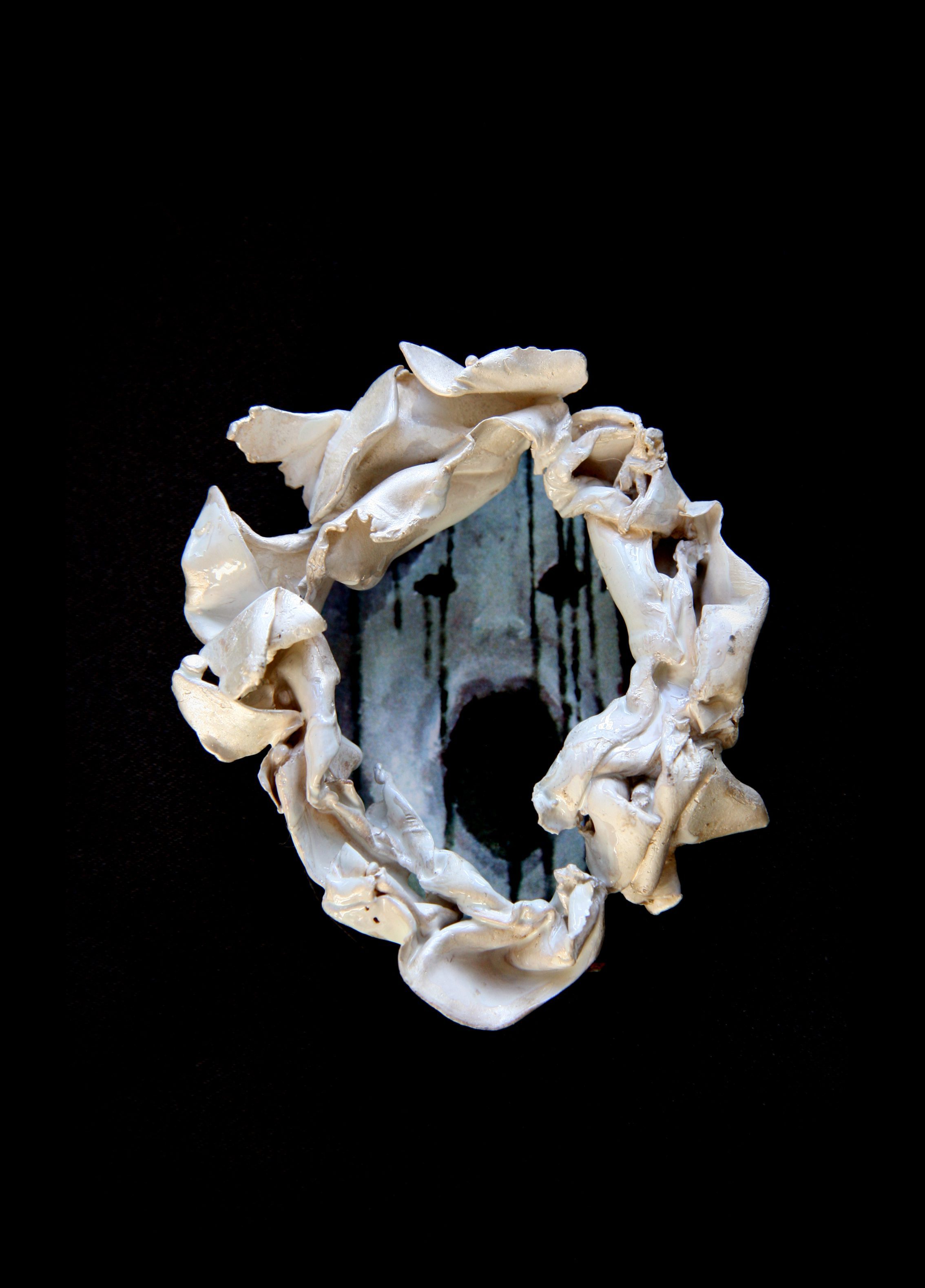
Object Power: -Alchemy of the Unseen–
The dynamics of unseen forces acting on objects reveal a space where materials science meets the enigmatic. Hidden dimensions emerge at the intersection of physical principles, cultural contexts, and personal experience, illuminating the remarkable — and often unexplained — energies we associate with certain objects.
Both scientific research and lived experience demonstrate how objects accumulate meanings that extend far beyond their intended functions. Through use, memory, ritual, and attention, they become charged with significance. An object can act as a conduit, a trigger, a mirror — shaping perception as much as it is shaped by it.
This phenomenon sits at the threshold between the measurable and the mysterious. It touches mysticism and spirituality, yet also stands in contrast to the placebo effect, which reduces meaning to illusion. Instead, object power suggests that value and influence arise through relational loops: the interplay of belief, perception, materiality, and context.
In this sense, the “alchemy of the unseen” is not magic but a form of perceptual resonance — a reminder that objects participate in our lives not only through what they are, but through what they become in relation to us.


Object Mysticism — Presence Without Proof
Perception often begins in moments that feel charged: a clock stopping at the instant of death, a pīwakawaka flying indoors on the day a loved one passes, a ring or pendant that seems to hold the presence of those who wore it before. Across cultures, such events are treated not as coincidences but as signs — reminders that objects can carry memory, spirit, and continuity.
When I buried my mother’s ashes beneath the lacebark grown from a seed that fell from my pocket decades earlier, together with her ring, the gesture echoed ancient traditions in which matter is understood as a vessel of identity and belonging. The act felt less symbolic than relational — as though the materials themselves were participating in a loop of return, connection, and care.
From salvaged aircraft parts said to hold the presence of lost crew, to coronation stones that confer legitimacy, to taonga imbued with mana and wairua, people have long believed that objects are never inert. Science cannot prove that matter holds such energies, yet the experiences persist.
Object mysticism lives in this gap between evidence and conviction. It suggests that perception is not only about what can be measured, but also about what is felt — the unseen threads of connection that endure through matter, reminding us that the world may be more charged and mysterious than we can fully explain.
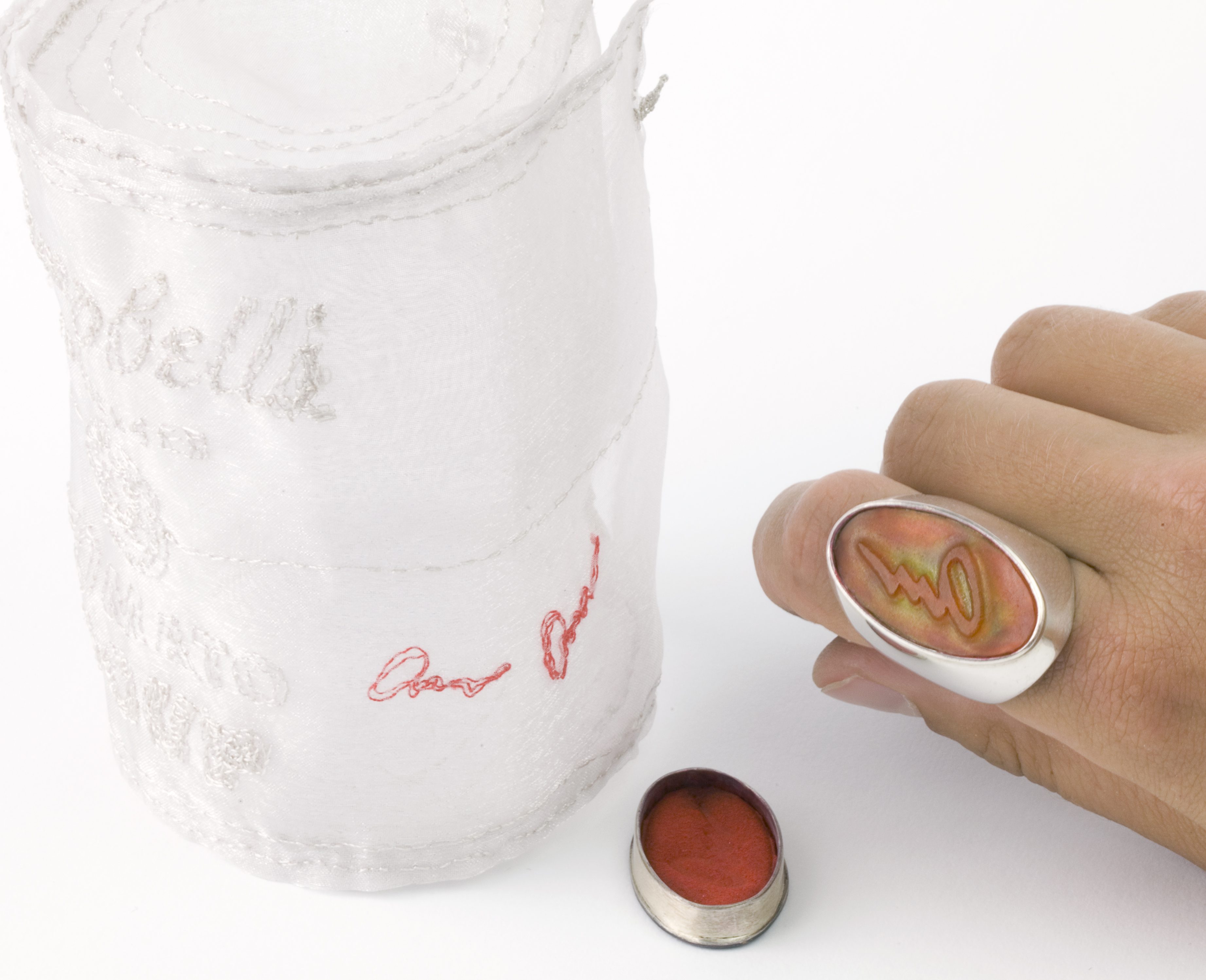
The Elusive Essence of Value
From Barter to Bitcoin: Tracing the Shifts in Human Perception
A journey into the shifting interplay of power, belief, and history that shapes what we treasure — and why.
What truly defines value: the rarity of an object, or the stories we tell about it?
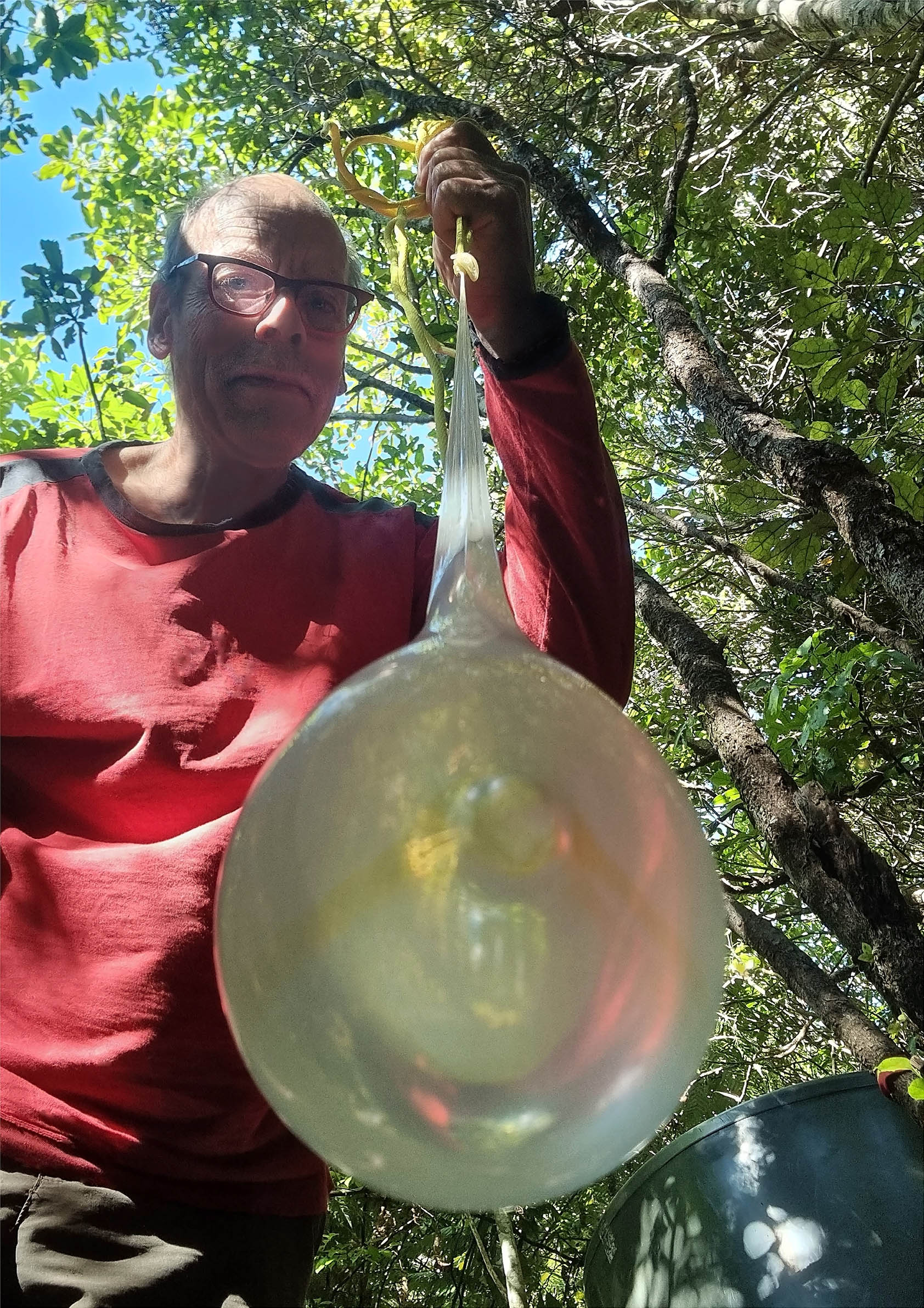
Contained/Uncontained, 2023, ‘Buildings need Jewellery’, Nelson Jewellery Week
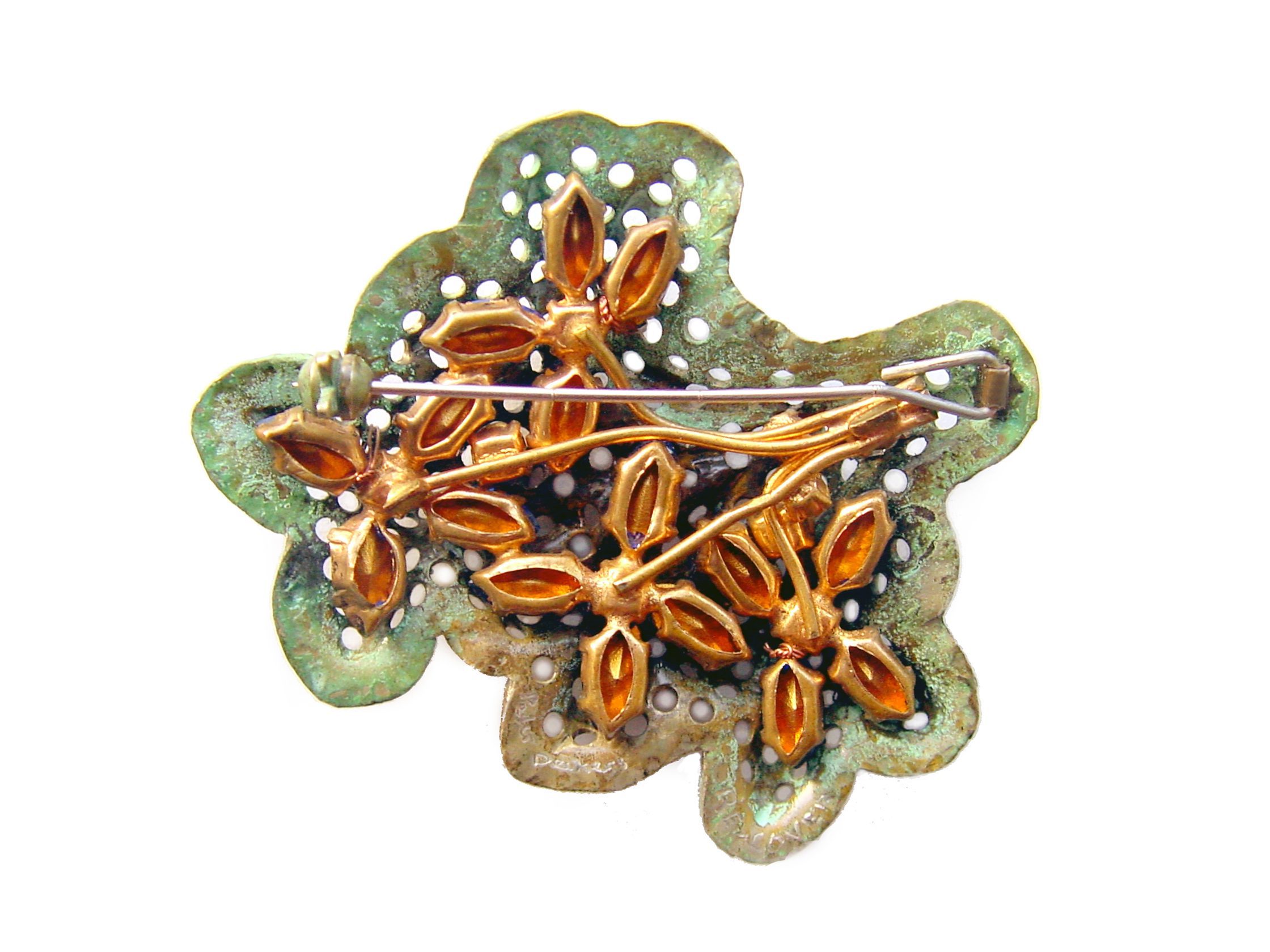
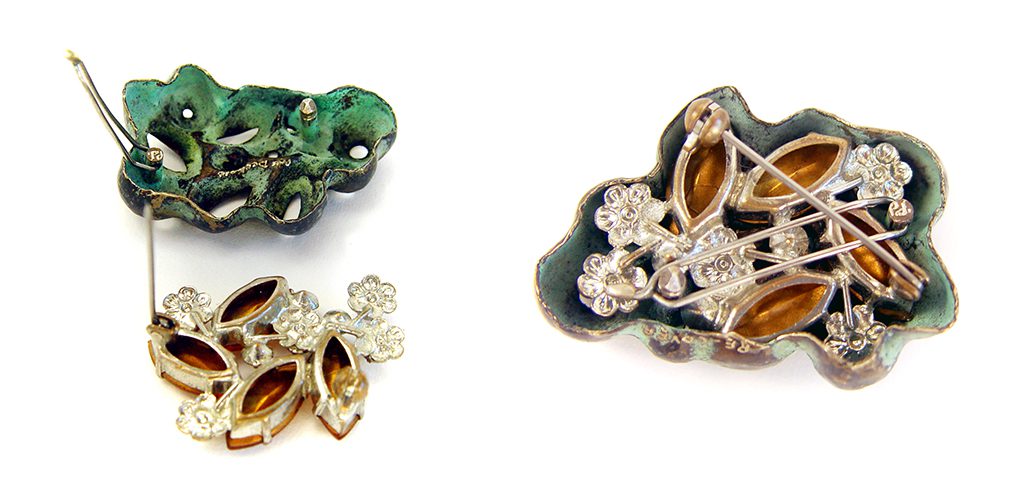
Second Chance: Under Cover series
When we look, do we see? Or do we only see what we want to see, or rather than what’s actually there? Or is nothing objectively there? Is everything perception?
(text by Steven Eldred-Grigg)
Peter often poses those riddles. ‘The way we perceive the truth is what is accepted,’ he says. ‘Jewellery formulates its special ways of sensing and detection.’ Playing with perception is one of the drives behind jewellery. People hang or ring or puncture themselves with what they perceive to be beautiful, classy, correct, sexy, scary, and shocking because they want to see themselves, or be seen, in a certain way.
Perceptions of value are intimately involved when men or women choose to buy or wear jewellery. We display our jewellery because we want to be perceived as valuable in some way. The value may be monetary, or its tally may be measured in some other coinage—style, status, excellence, individuality.
Value may be ‘lost’ over time, or ‘won’ as changes take place in perception. An example is the wartime defacing of devalued coins of the realm to make them into bracelets and necklaces—baubles of little monetary worth but symbolic of a wish to shrug off an oppressive authority.
Ironically, of course, at another time and from another point of view the image of the monarch on the coins could be perceived as a symbol of another sort of oppressive authority in the form of despotic royalty. A royal head can be cut in several ways! Precious stones are another suggestive example of potentially shifting perceptions of value.
Peter finds it fascinating that we perceive a diamond as so much more valuable than, say, a piece of glass. ‘A piece of glass is close—very close-—to a diamond in most of its qualities,’ he points out. Of course, a diamond contains scarcity value. Also, it is very hard, though its hardness is perceived to be meaningful by industrialists rather than the buyers of jewellery. During his boyhood, Peter was drawn to diamonds, maybe because he grew up so near the great diamond clearing houses of Amsterdam. Only later did he develop an interest in the variability of perception of value. As it happens, he likes to think about and explore the hardness and translucence of a diamond. Also, he likes to think about what will happen in the near future when laboratories are likely to perfect methods for the commercially feasible manufacture of synthetic diamonds. Cheap mass-produced diamonds will cause the perceived worth of wearing those shiny stones on the body to drop quickly. Not that diamonds even now are really a scarce commodity. The diamond mines of the world could readily spit out thousands more tonnes of the stones than they do right now. Companies which control the mining and selling of the precious crystals make sure to keep supply to what Peter calls ‘a trickle,’ since by doing so they maintain the perception of scarcity and the consequent perception of value.
How about plastic? Now that oil seems about to rise rapidly in market value, plastic made from oil will also follow, which may well mean that plastic jewellery may suddenly be perceived as having a new worth. Peter was trained during his early days to despise any sort of costume jewellery. ‘The craft saw it as shit,’ he says crisply.
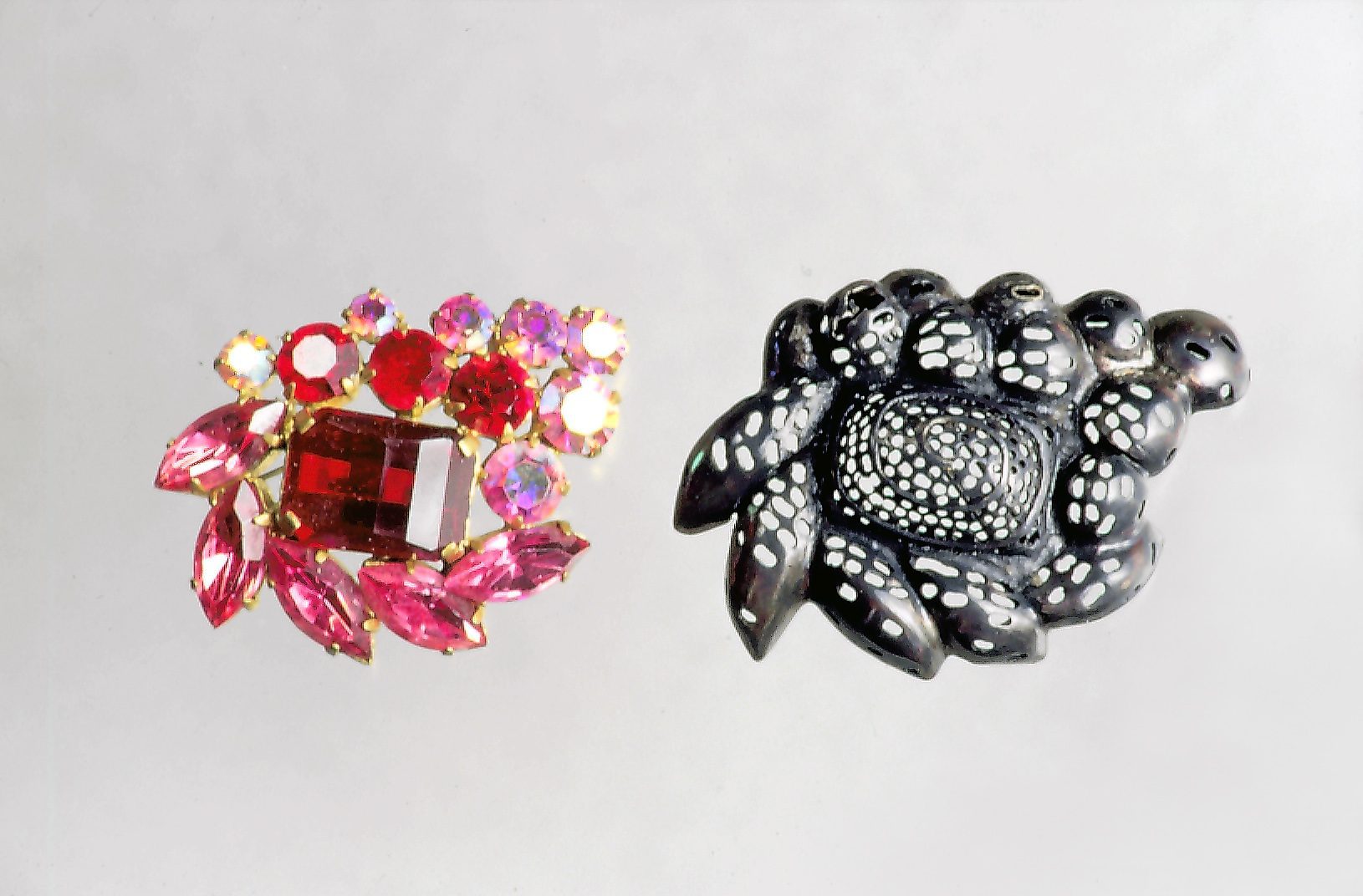
Questioning perceptions of value has led him to turn to costume jewellery to look at ways of altering, or at least exploring, public opinion of its worth. Peter selects found bits of old costume jewellery and endeavours to create just enough sophistication of setting, finish, or play of light so that viewers experience a shift in perception of their value. ‘I do believe that people have very primal responses to such things as the reflection of light—we all seem to like it.’ He observes that fireworks are cheap. Yet we love them and find them mysterious. Rainbows have no monetary value, but we perceive them as valuable.
 from ‘Choices of the Hand, 2006, by Steven Eldred-Grigg)
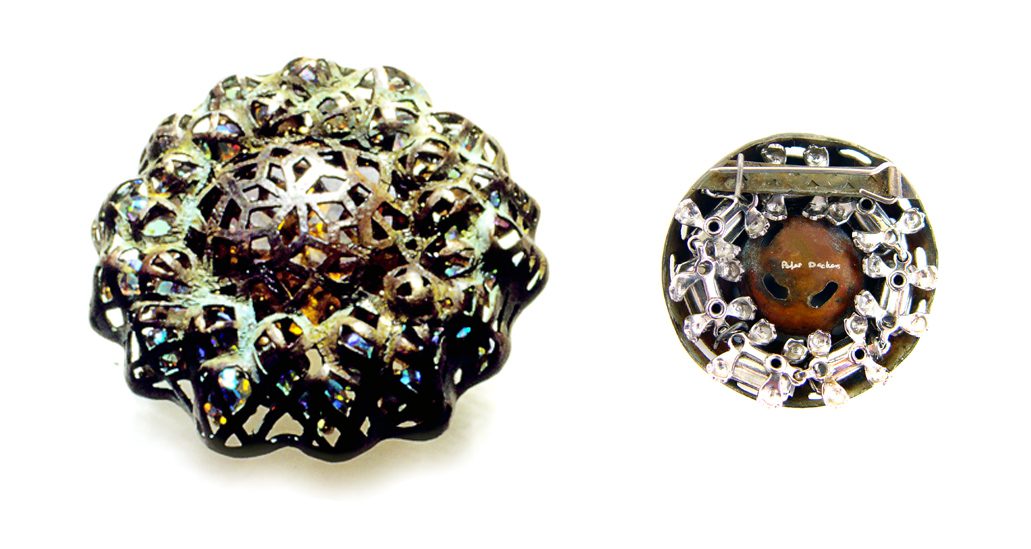
Second Chance: series
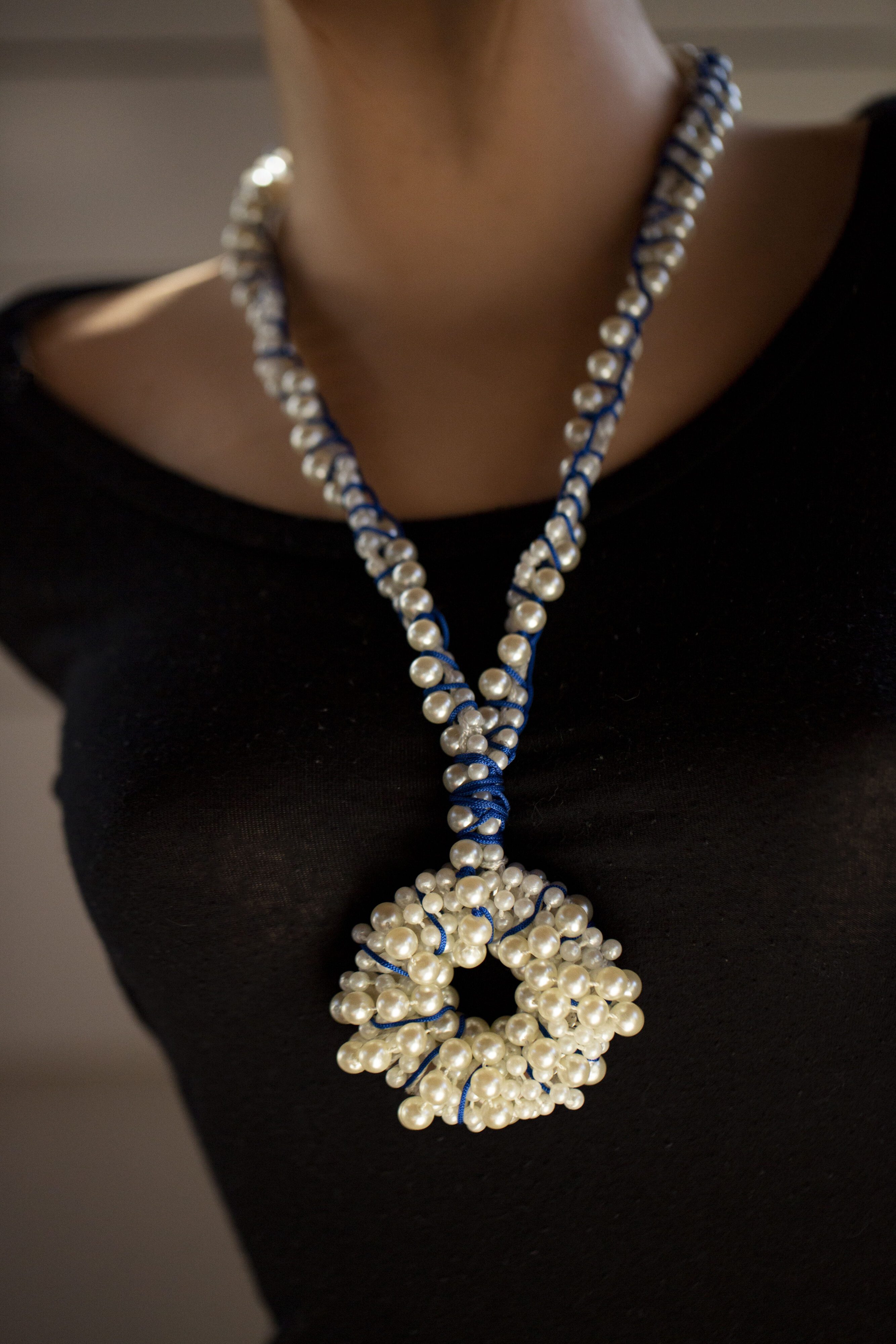
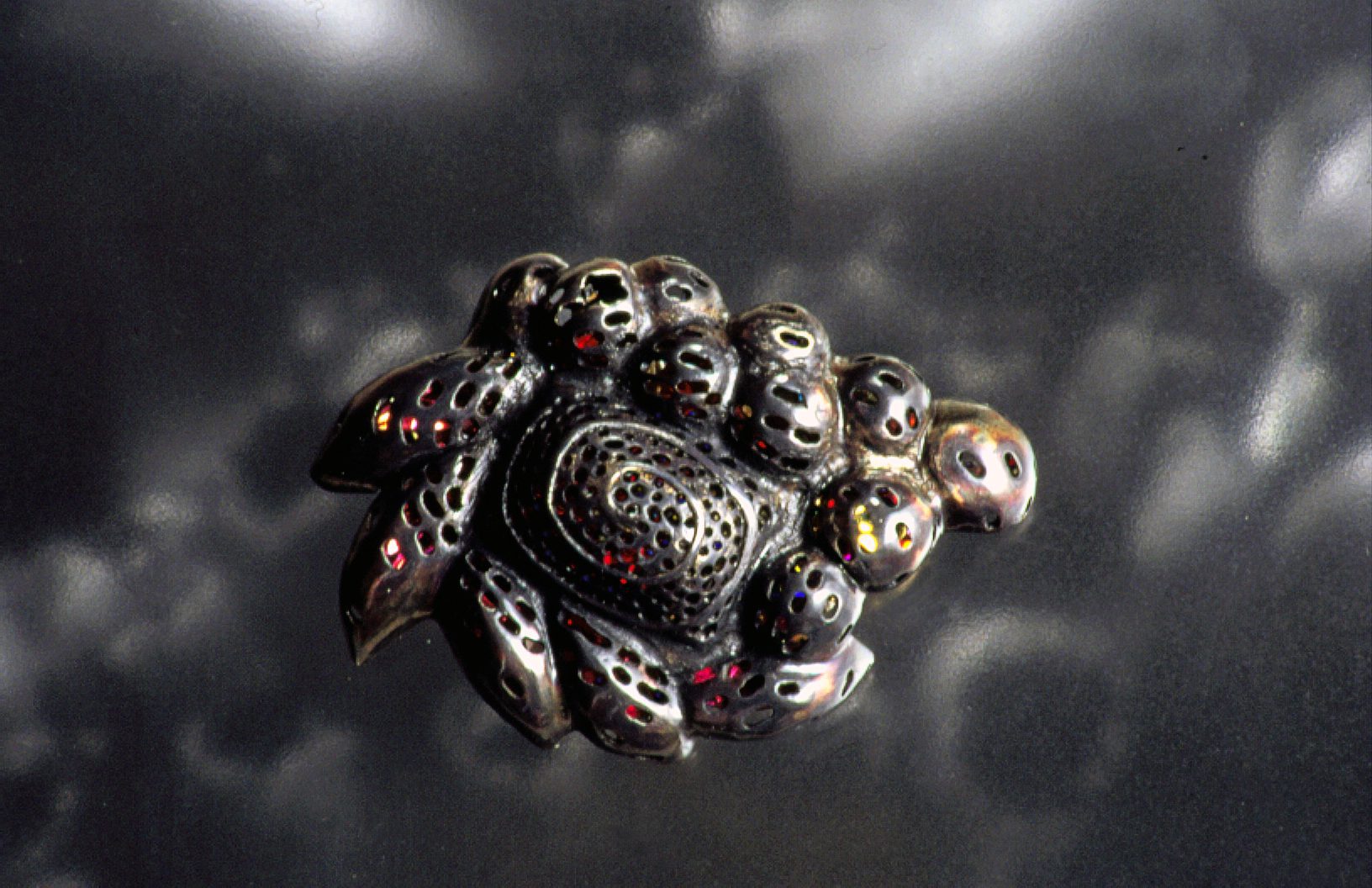
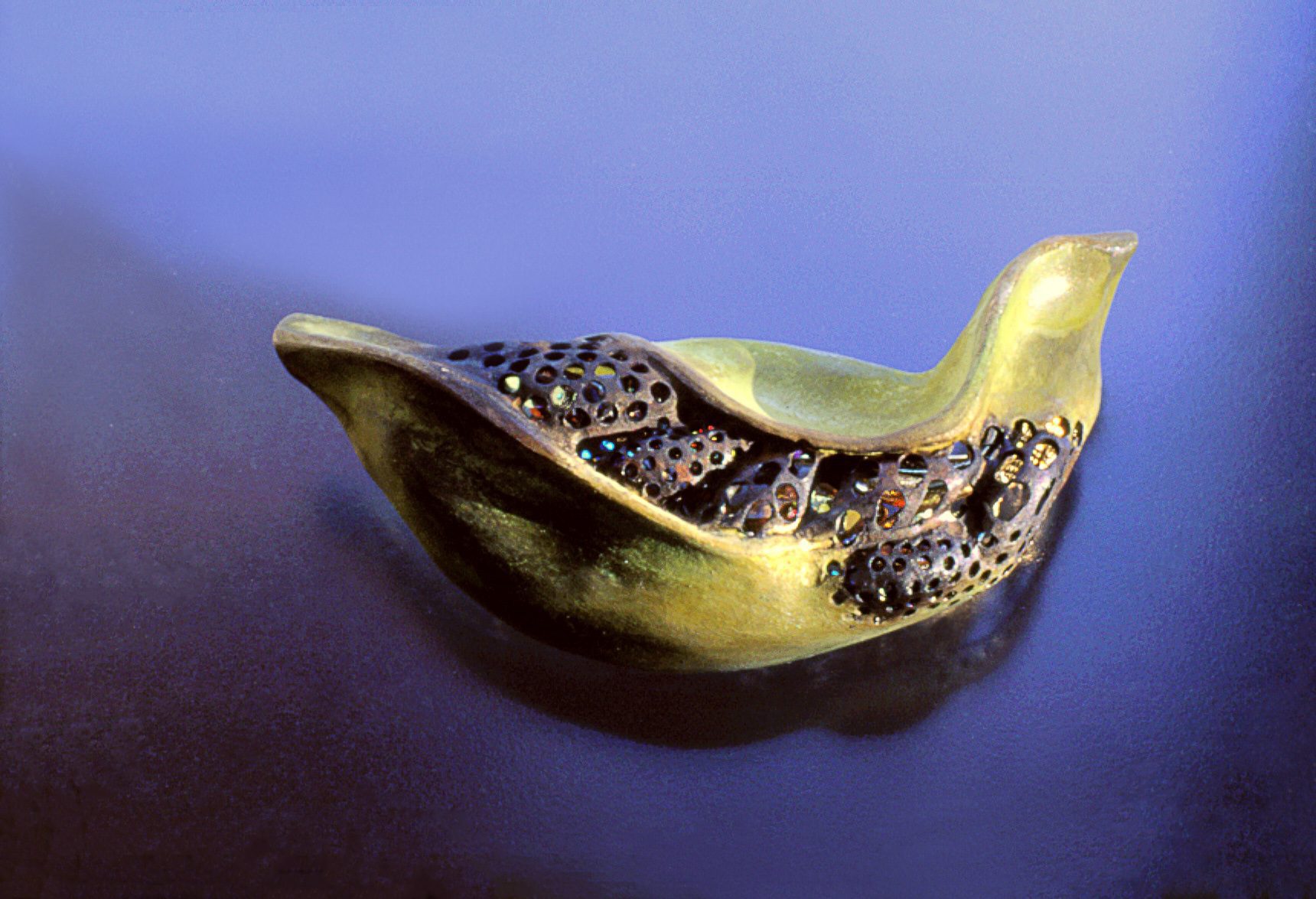
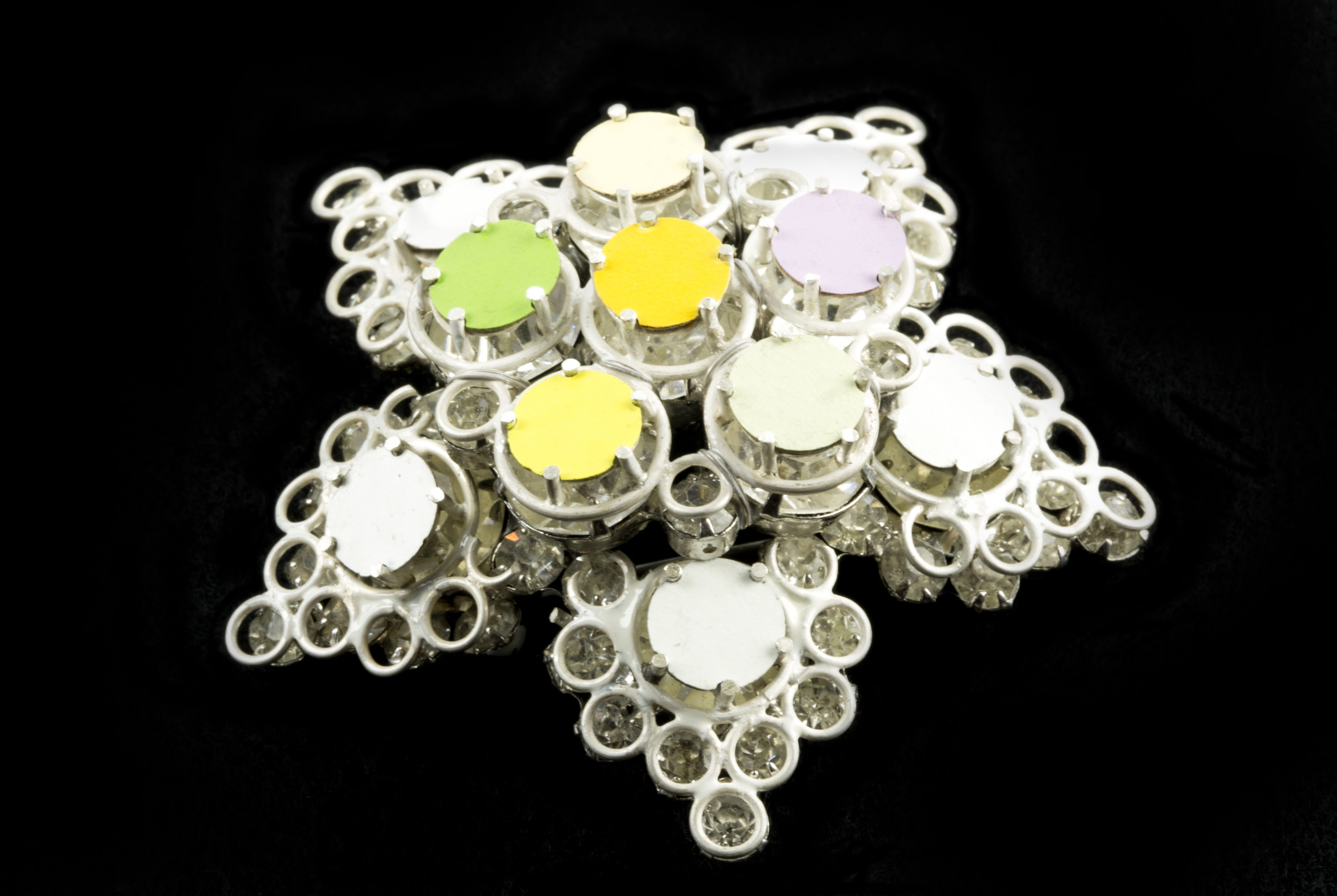
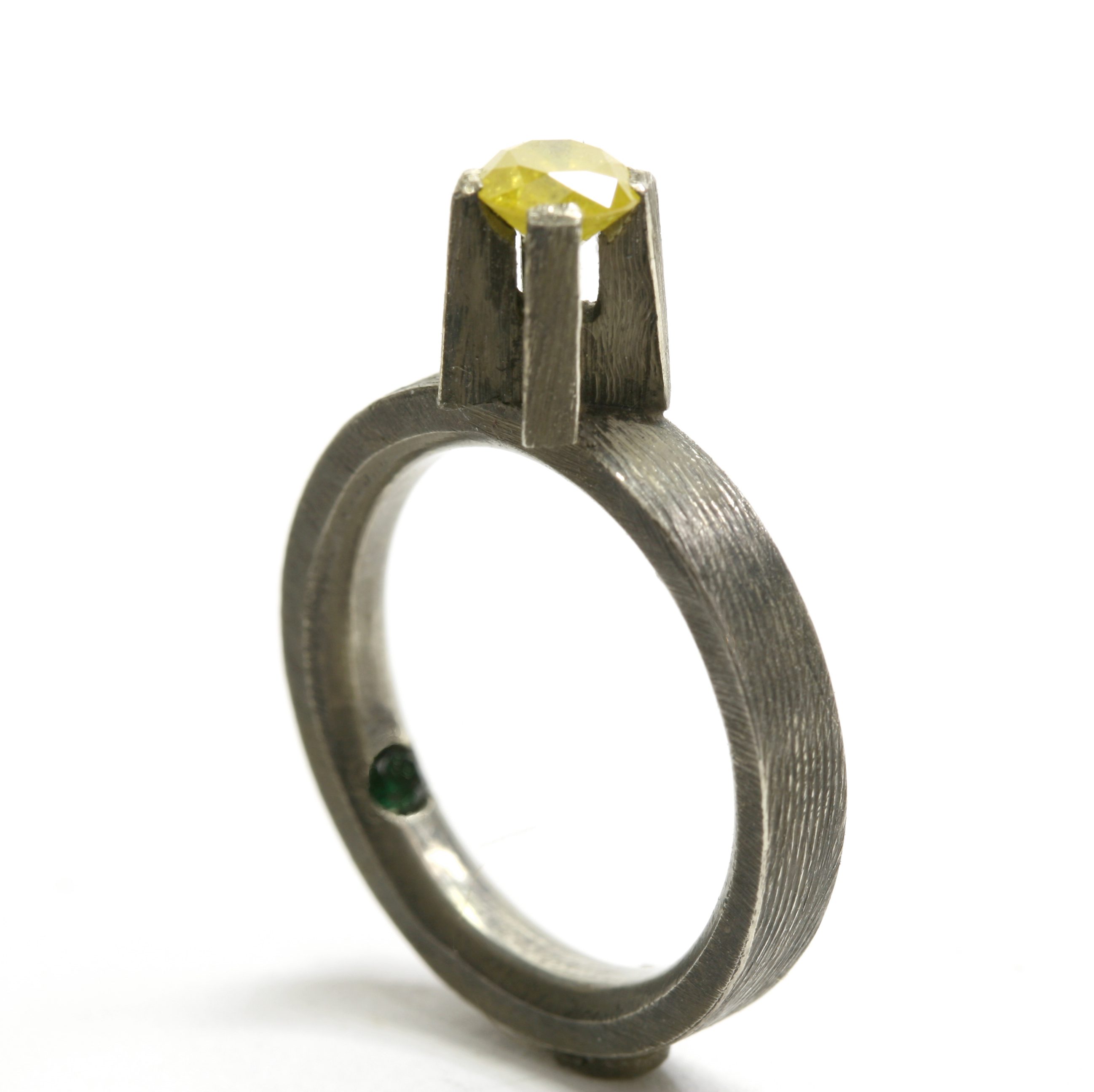
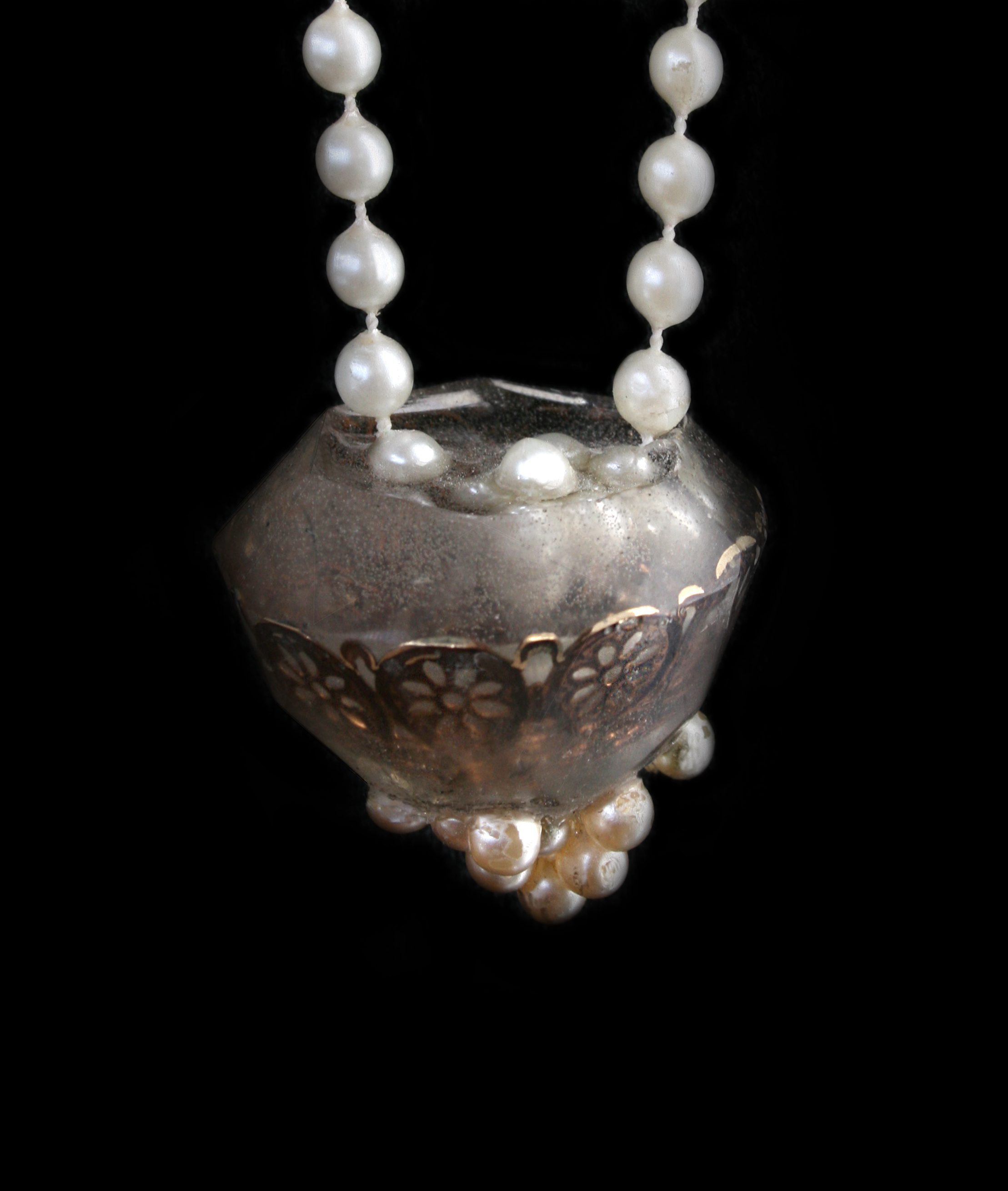
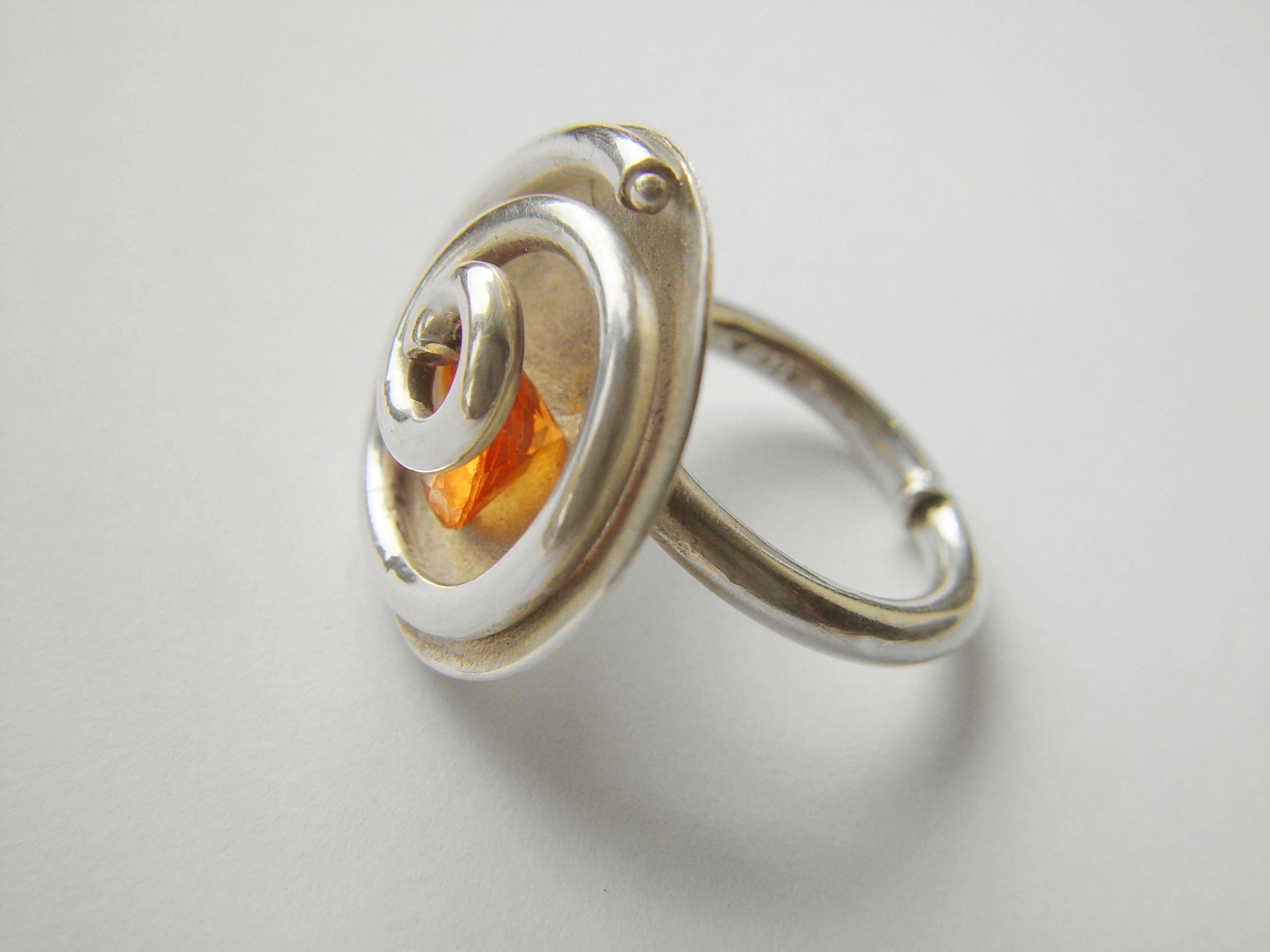
As a kid, I was captivated by the light dispersion in my mother’s costume jewellery. Kitsch jewellery has never sat comfortably within the contemporary jewellery canon, but my under‑the‑radar instincts always wanted to lift it beyond the judgement of artistic “acceptance.” In 1990, I began working with my mother’s and grandmother’s collections, and over the years I’ve gathered second‑hand pieces from junk shops and markets, transforming many of them into newer versions of themselves.
This series explores both the intrinsic and the perceived value of jewellery. Kitsch costume pieces become my raw material, challenging assumptions about worth through their reworked shapes and forms. With just enough alteration — a shift in setting, a change in angle, a new play of light — they return as something familiar yet altered. The process feels like a collaborative journey of discovery, as though the pieces reshape themselves through each small adjustment.
Humans are innately drawn to light and its dispersions: rainbows after rain, the fire inside gemstones, the shimmer of oil on water, the glittering flash of faceted glass backed with foil. That attraction repeats across time and culture, shaping how we assign value.
By working with these same optical pleasures through humble or overlooked materials, I invite a moment of re‑seeing. Perhaps these pieces can shift how we perceive value and encourage us to reconsider our assumptions about kitsch — not as something lesser, but as something capable of beauty, memory, and transformation.
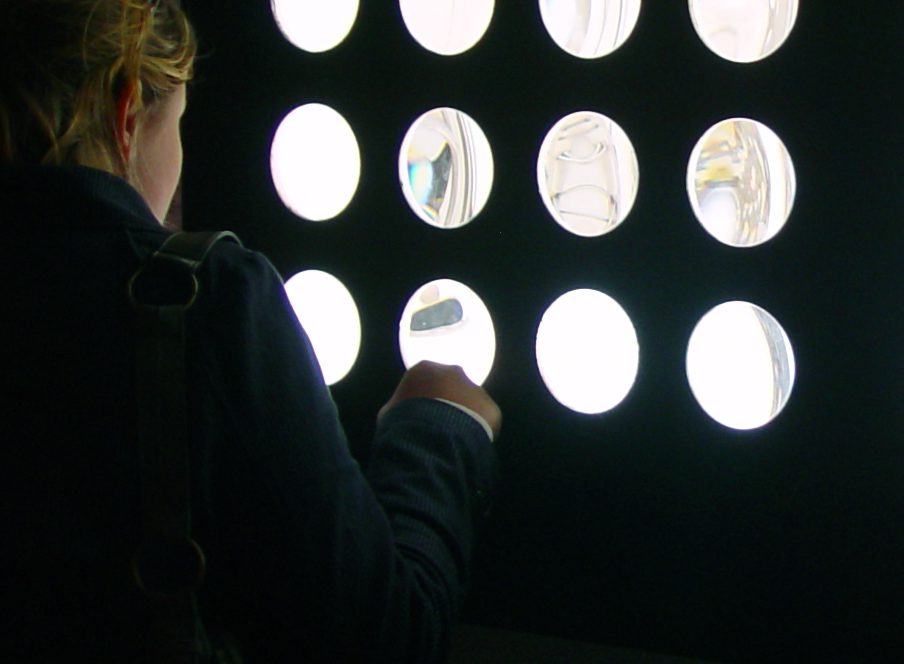
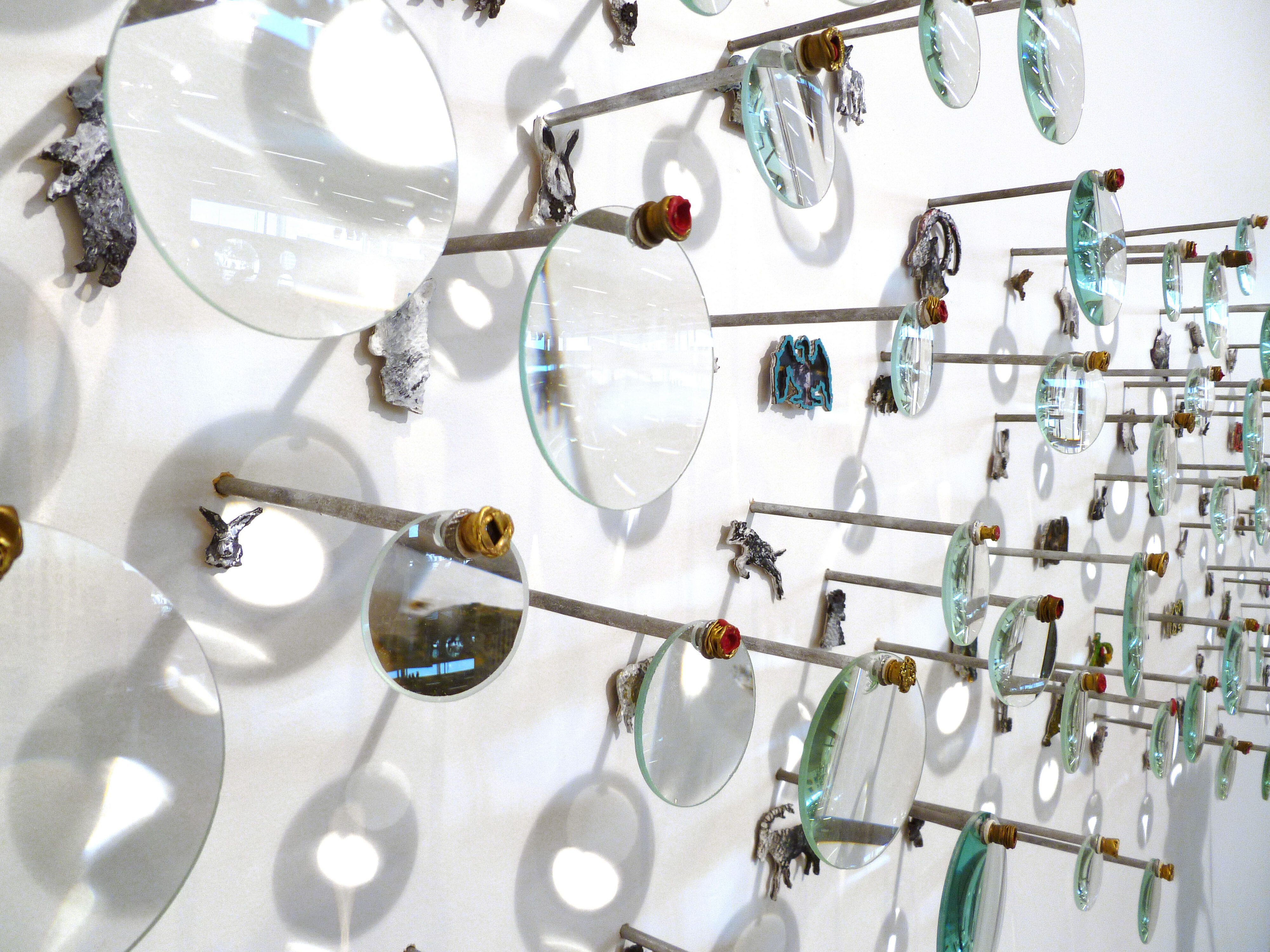
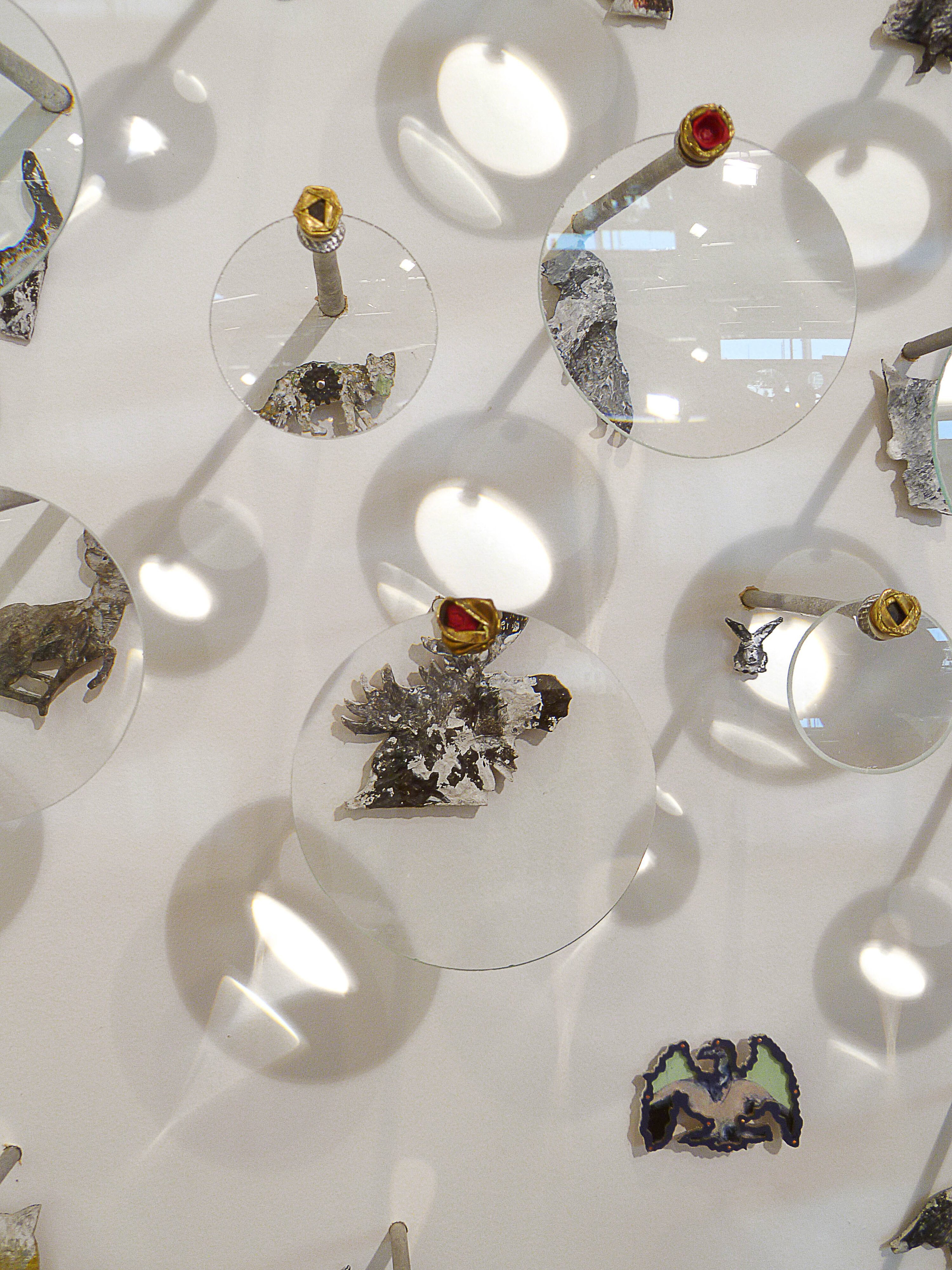
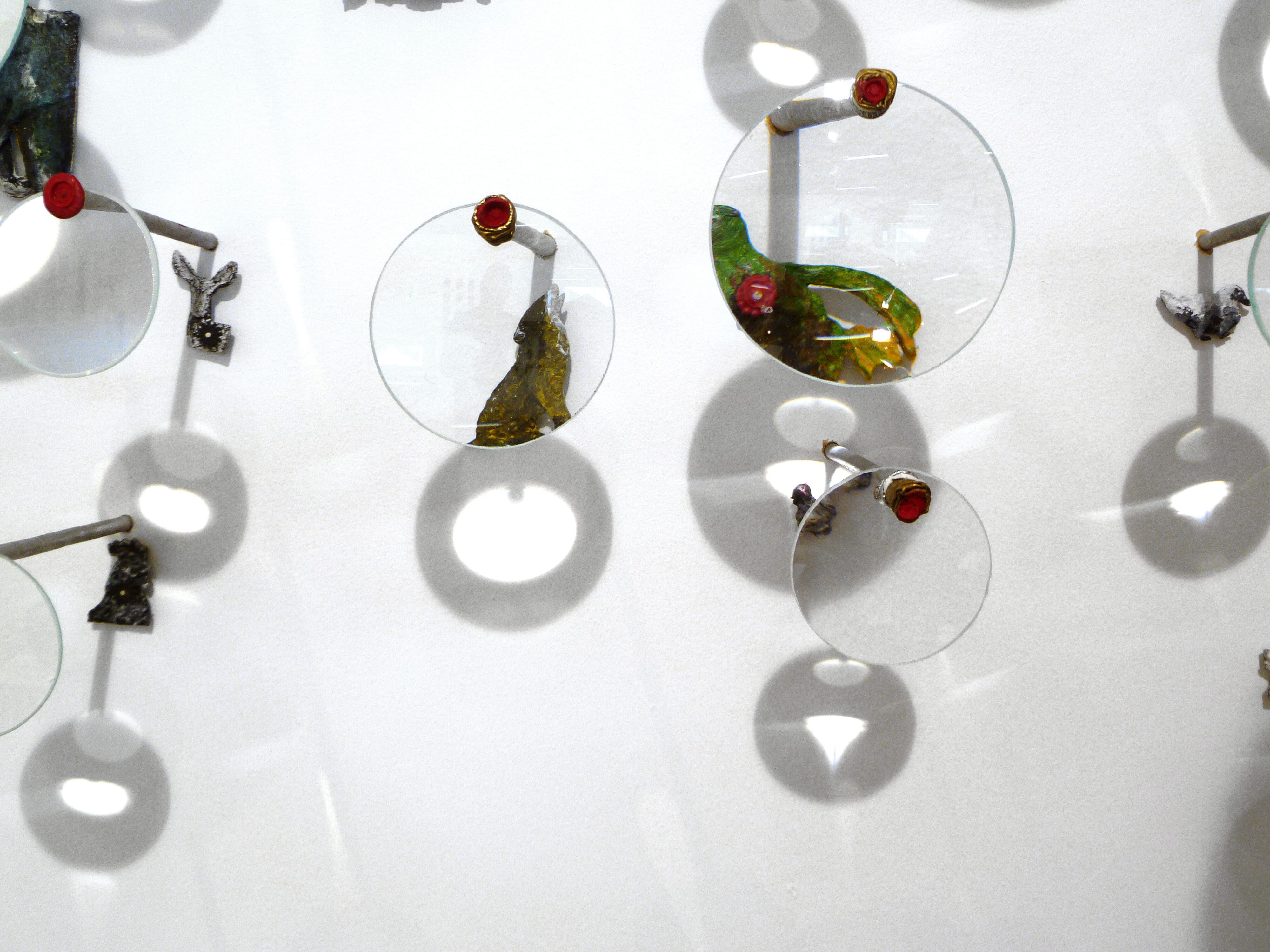
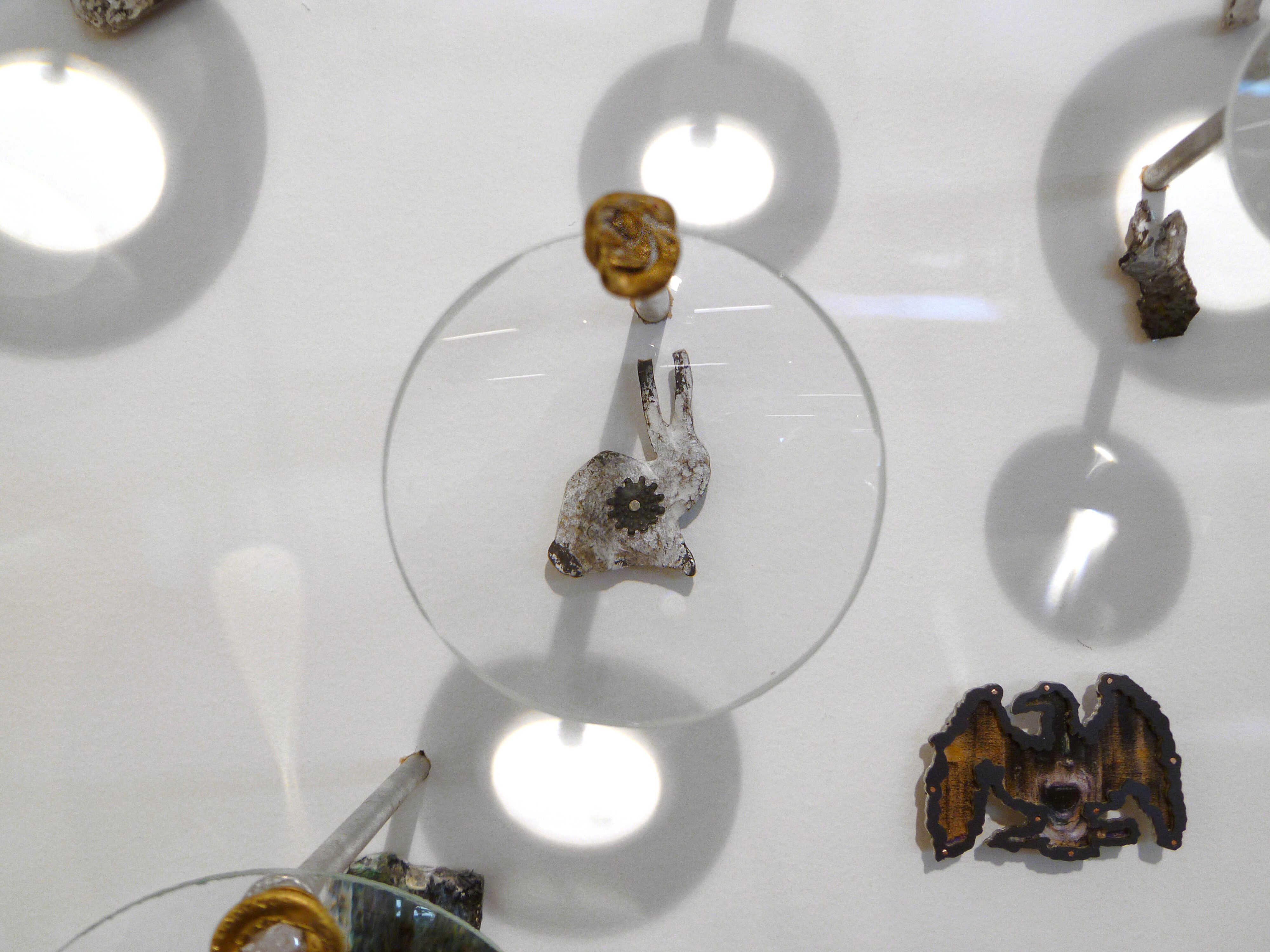
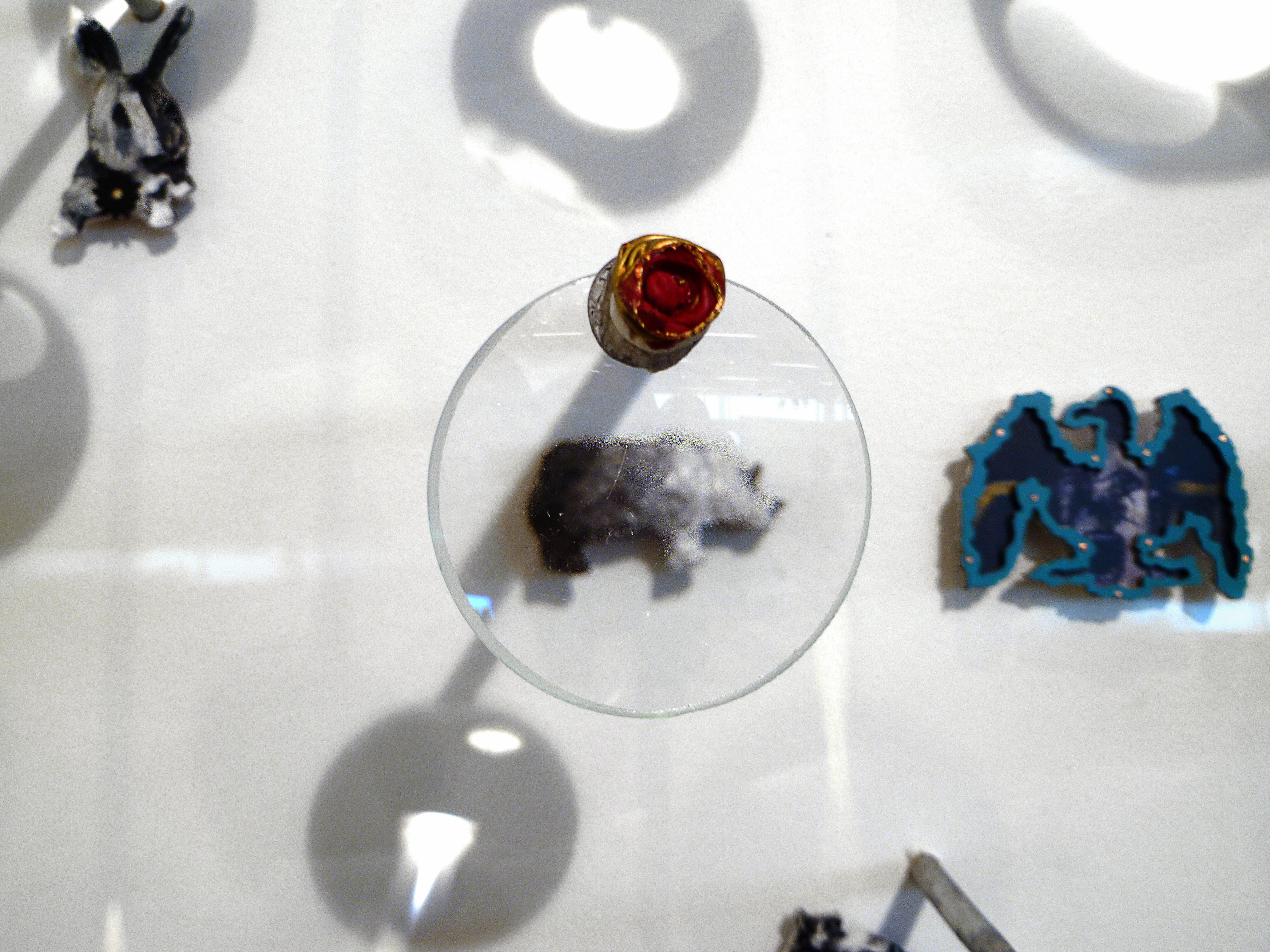
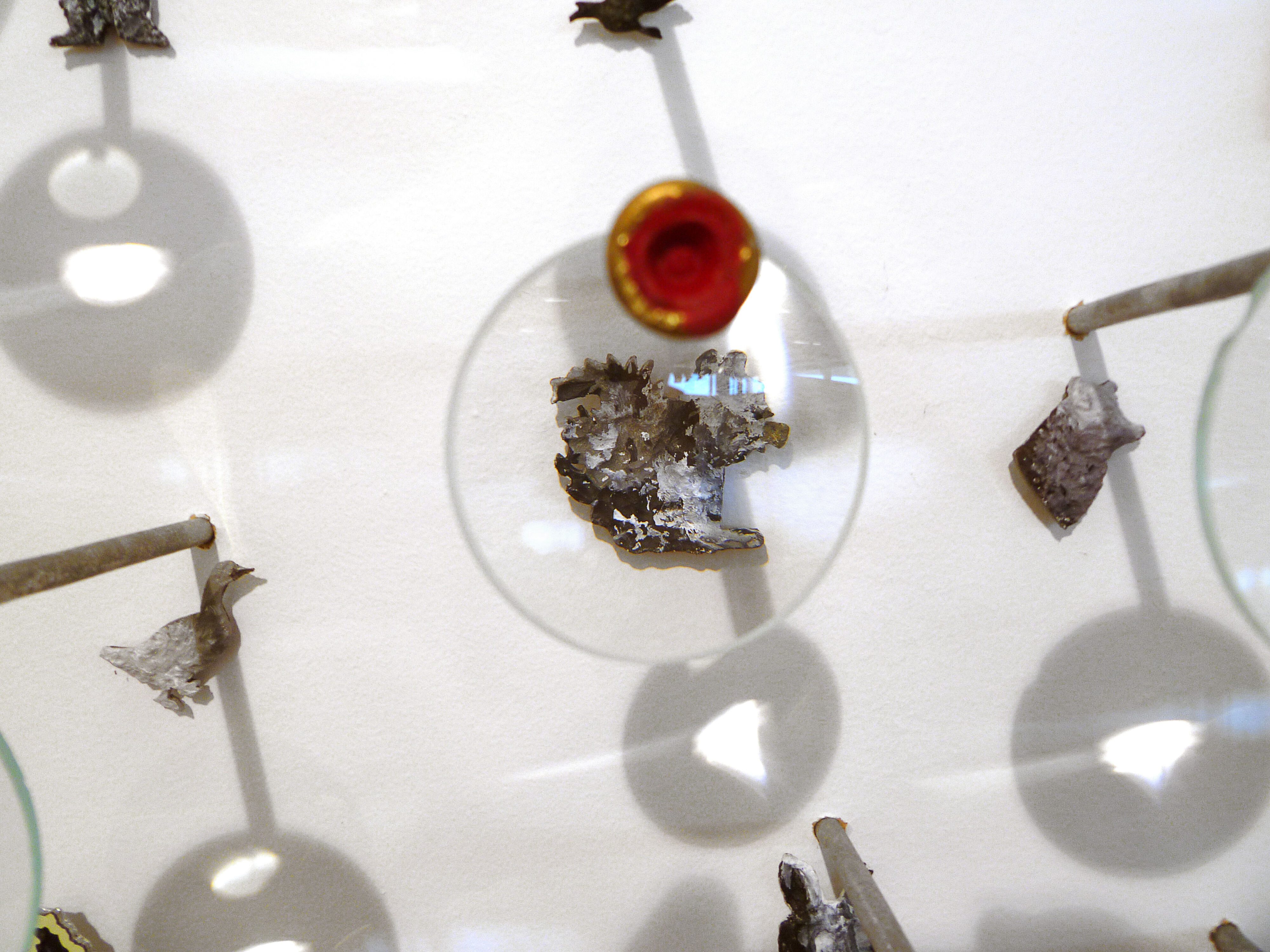
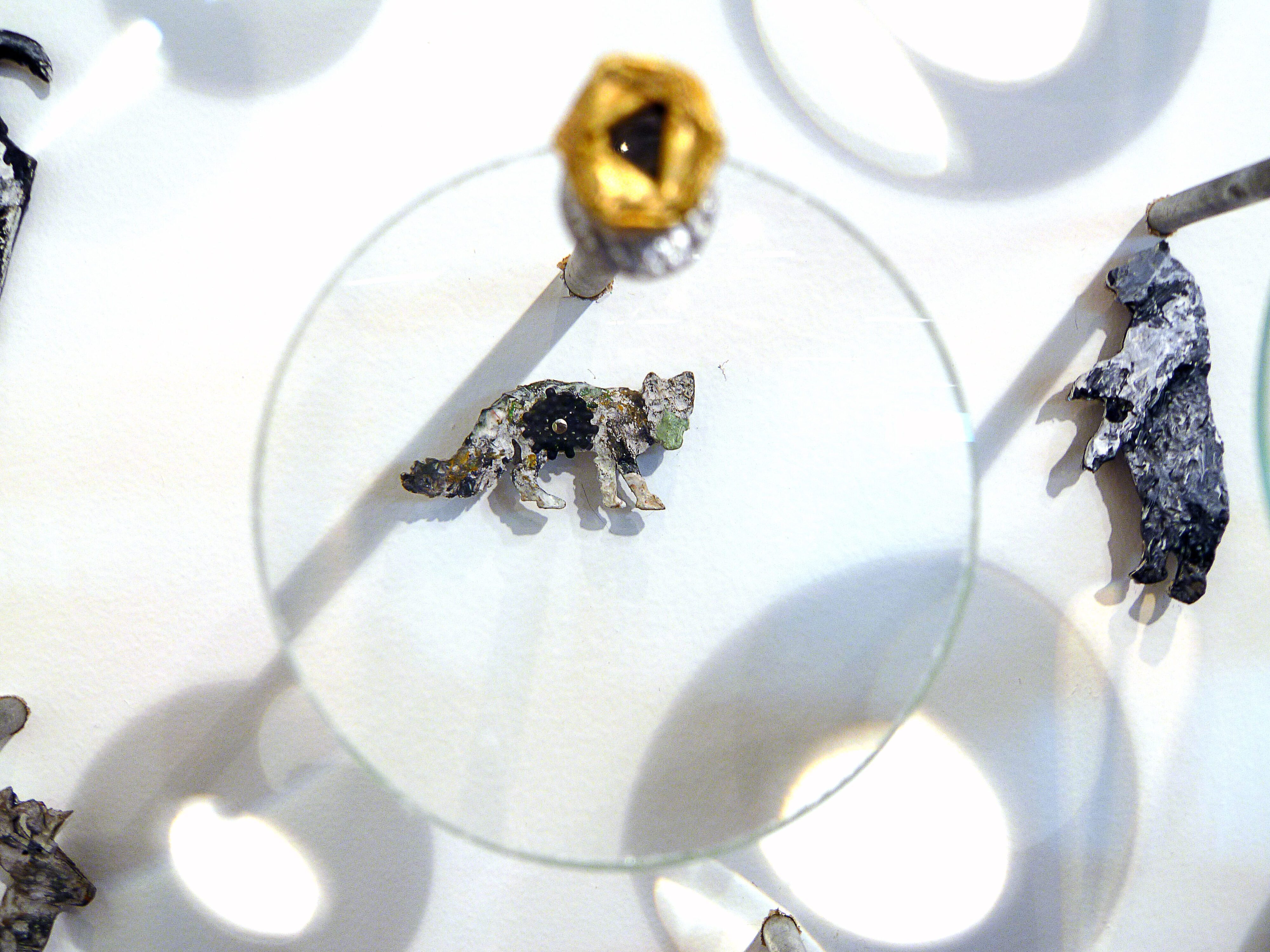
Magnification
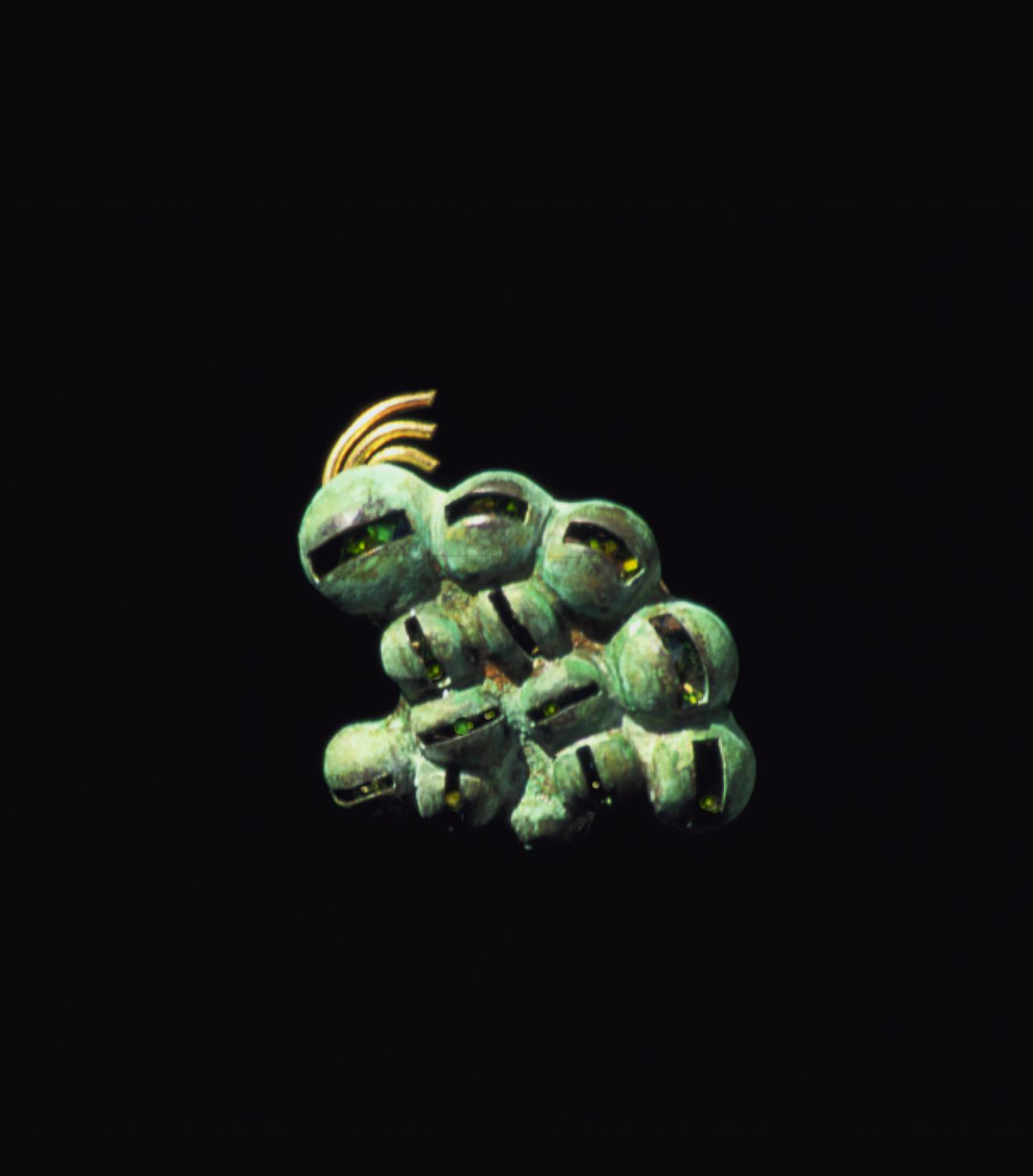
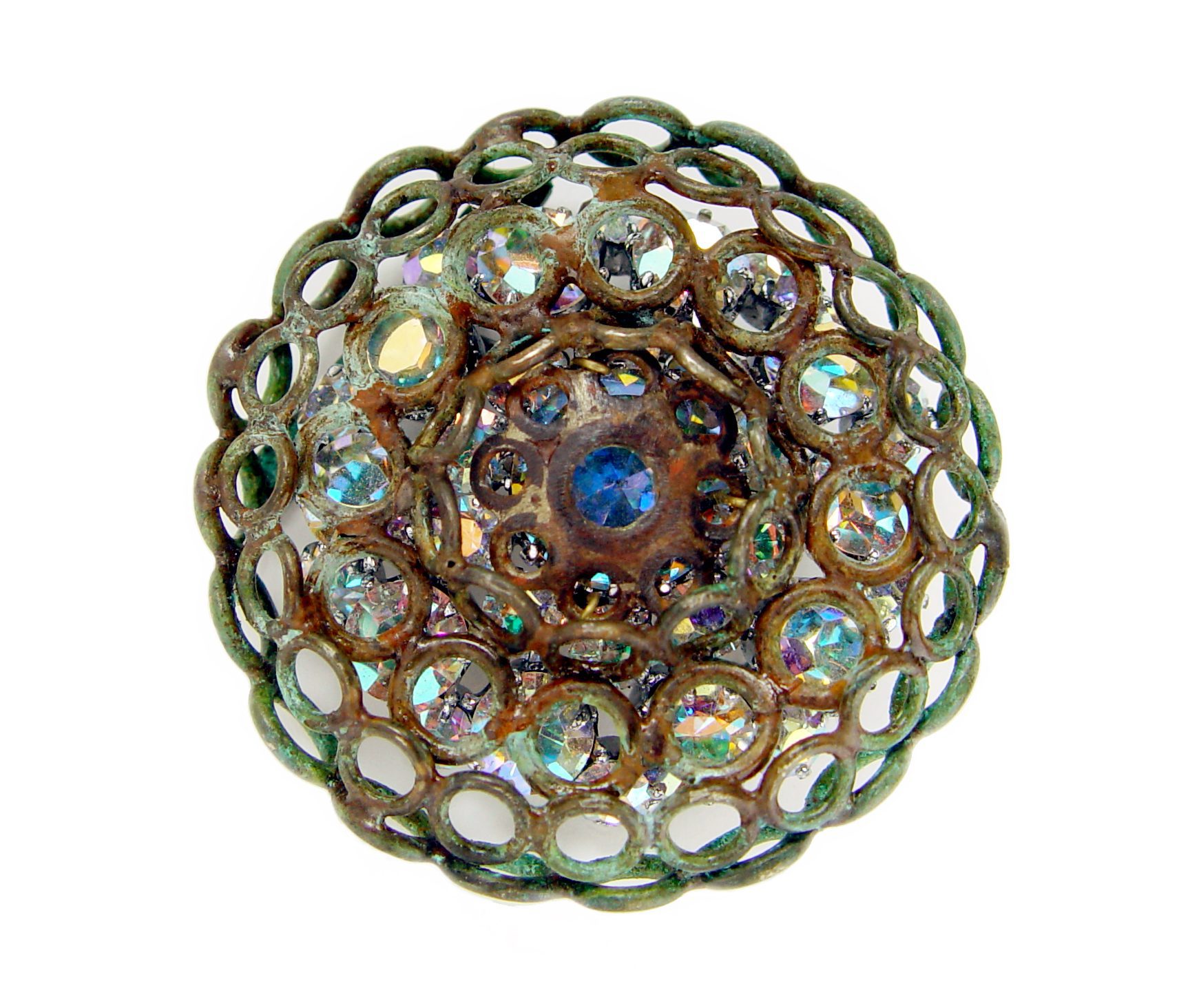
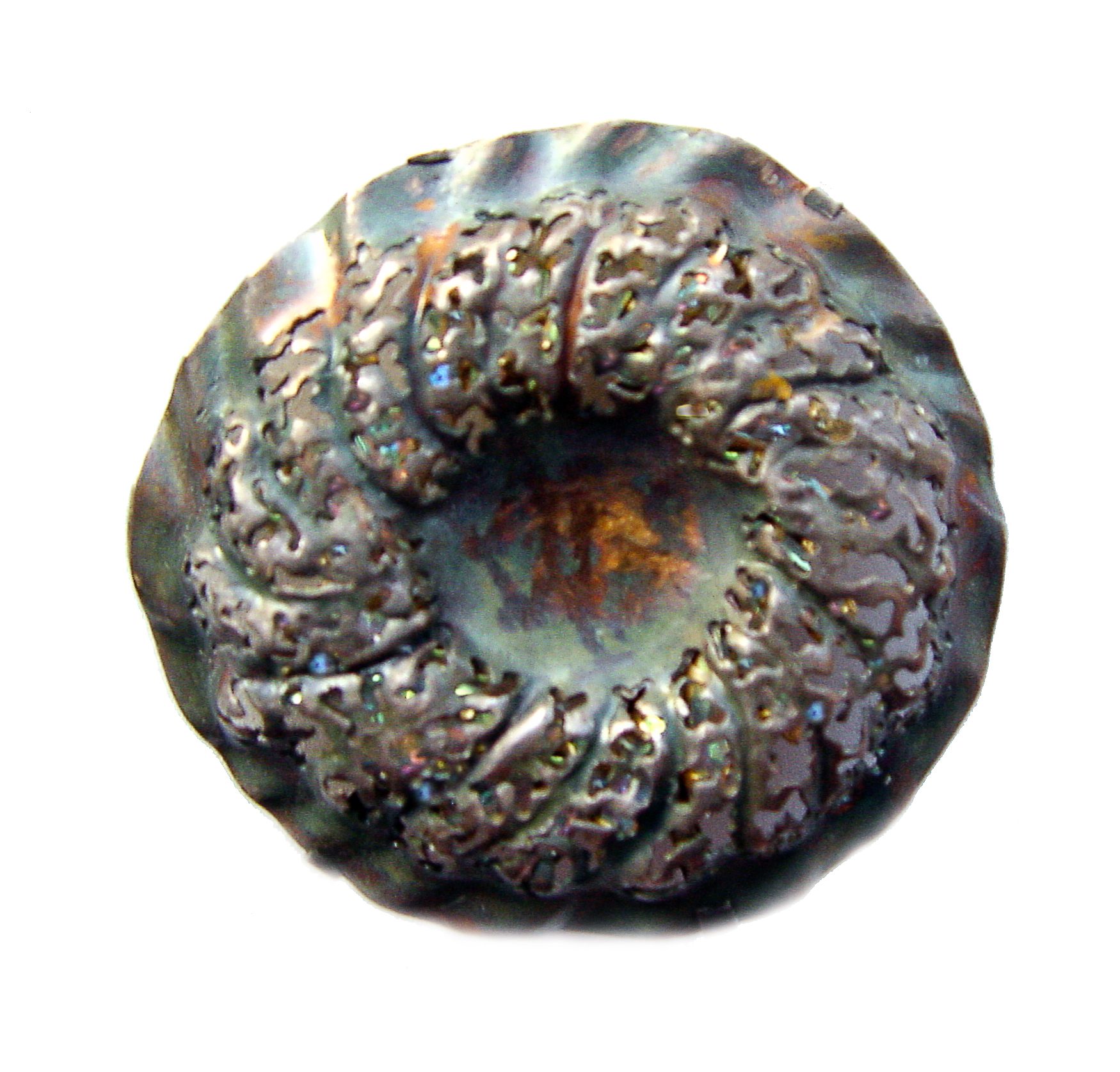
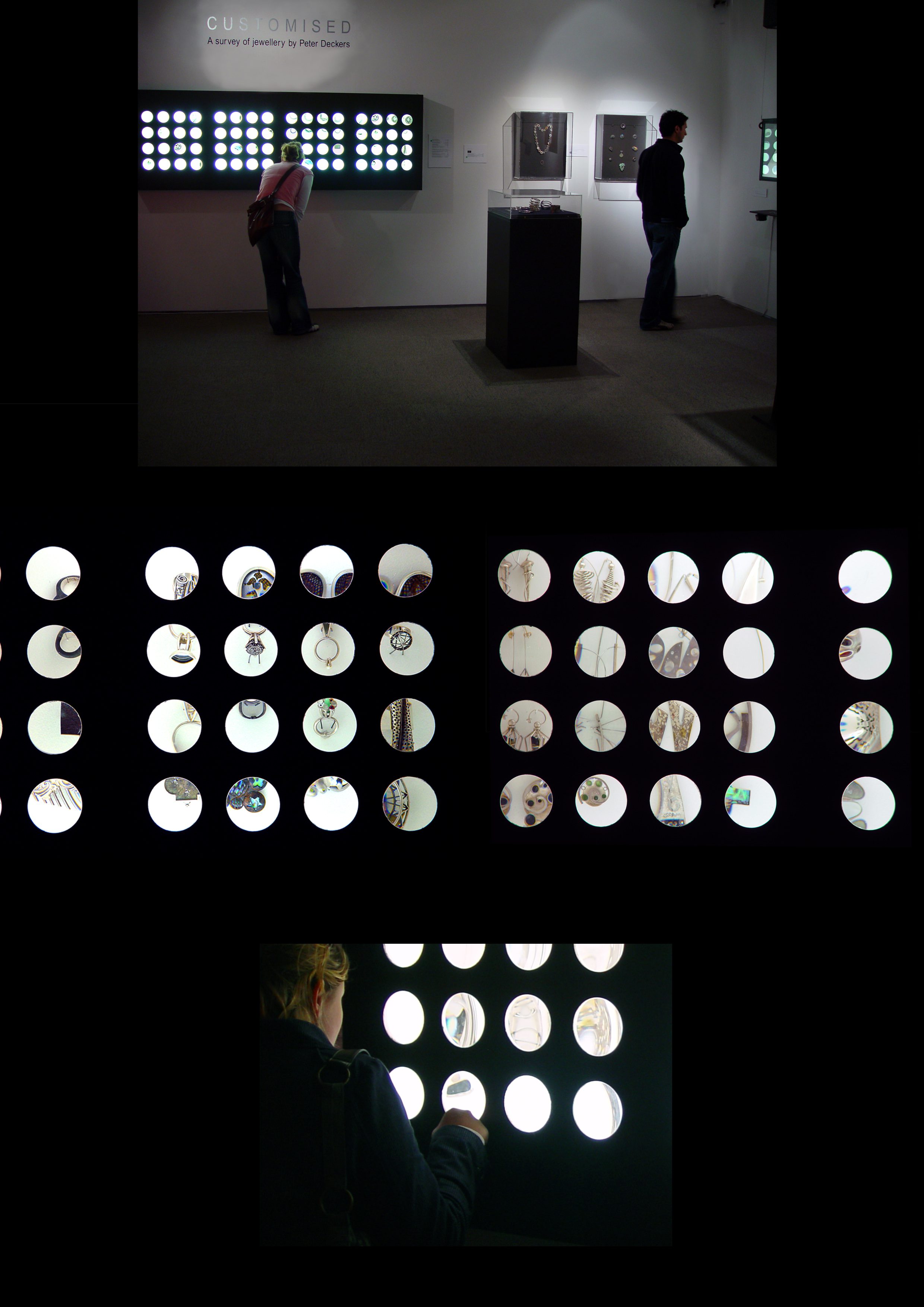
Magnification has always fascinated me — how a simple shift in distance or eye position can alter what we think we’re seeing. A lens brings the overlooked into focus, enlarging details that usually slip past us, while the slightest movement of the head sends those same details sliding back into obscurity. Even the smallest interruption of light can distort the world: a finger dipped into bathwater bends and breaks its own outline, and a goldfish in a bowl swims through a warped reality of curves and refractions.
These subtle shifts create a looping form of perception, where each new angle returns a different truth. There’s a quiet intensity in that focus — anyone who has held a magnifying glass in sunlight knows how easily attention can concentrate into heat. Through magnification, the ordinary becomes strange, the familiar becomes layered, and value itself begins to wobble.
I’m drawn to that moment when looking turns into re‑looking, re‑adjusting, re‑discovering — when the eye recalibrates and the object reveals something it wasn’t offering before. In that small perceptual loop, the world becomes fluid again, reminding us that what we see is never final, only provisional.

Object Power
Objects are all around us, intricately woven into the fabric of our daily lives. While they may seem ordinary—like tools, decorations, and keepsakes—their potential for meaning often goes unrecognised. When we interact with these objects, we perceive not only their physical forms and functions but also layers of meaning connected to their symbolism, history, and cultural significance. This process, which often occurs at a subconscious level, raises questions about how much of our perception is shaped by personal experiences or broader societal contexts. Could it be that objects carry stories we project onto them, reflecting their inherent purpose and our individual interpretations?
Objects can evoke powerful memories, yet this ability is highly personal and variable. A family heirloom, such as a grandparent’s watch, may trigger vivid recollections of shared histories for one person but hold little significance for another. A childhood toy might transport us back to moments of innocence and joy, anchoring fragments of our personal narratives. Why do these objects exert such influence over our emotions, beliefs and identity? Is this something inherent in the objects themselves or within us?
Symbols such as flags, monuments, and historical artifacts evoke strong emotions like patriotism and pride. They seem to capture shared histories and identities, creating a sense of belonging, purpose, and unity. However, their meanings can vary significantly, prompting questions about how collective memory is constructed and whose narratives are being represented. Are these symbols truly unifying, or do they hide the complexities that lie beneath their surface?
The distinction between low and high art is fluid and subjective. What one culture or time period values may be dismissed by another, only to be reassessed later. Objects once viewed as purely decorative or functional are often recontextualised as revered artworks as societal attitudes evolve. Is it based on intrinsic qualities, or is it simply a reflection of the stories we choose to tell about these objects?
Some objects inspire determination and hold deeper meaning beyond their physical attributes. For example, a medal or trophy symbolises achievement, motivating individuals to strive for more. Souvenirs remind us of significant experiences, while heirlooms connect us to our ancestry. In these cases, it is clear that their value lies not in the objects but in the connections and emotions they represent.
Even a simple tool can take on immense significance when it’s crucial to completing a task, while objects regarded as high art derive value from cultural, emotional, or historical significance. This interplay between utility and meaning raises an intriguing question: how do we decide what is worth preserving, admiring, or discarding?
Objects often seem to transcend their intended functions, becoming symbols in our daily rituals and lives. This phenomenon seems to intersect with mysticism and spirituality while contrasting with the placebo effect, which highlights the unseen forces shaping our reality. Do these forces hint at deeper truths about the energies and connections woven into existence, or are they constructs of our perception?
Our engagement with objects remains a deeply personal and cultural process—one that invites us to consider not just their material form but the meanings we ascribe to them. Each object, however mundane, offers the potential to connect to deeper layers of identity, memory, and experience. What truths might we uncover if we allowed ourselves to question the stories these objects tell and the meanings we assign to them?
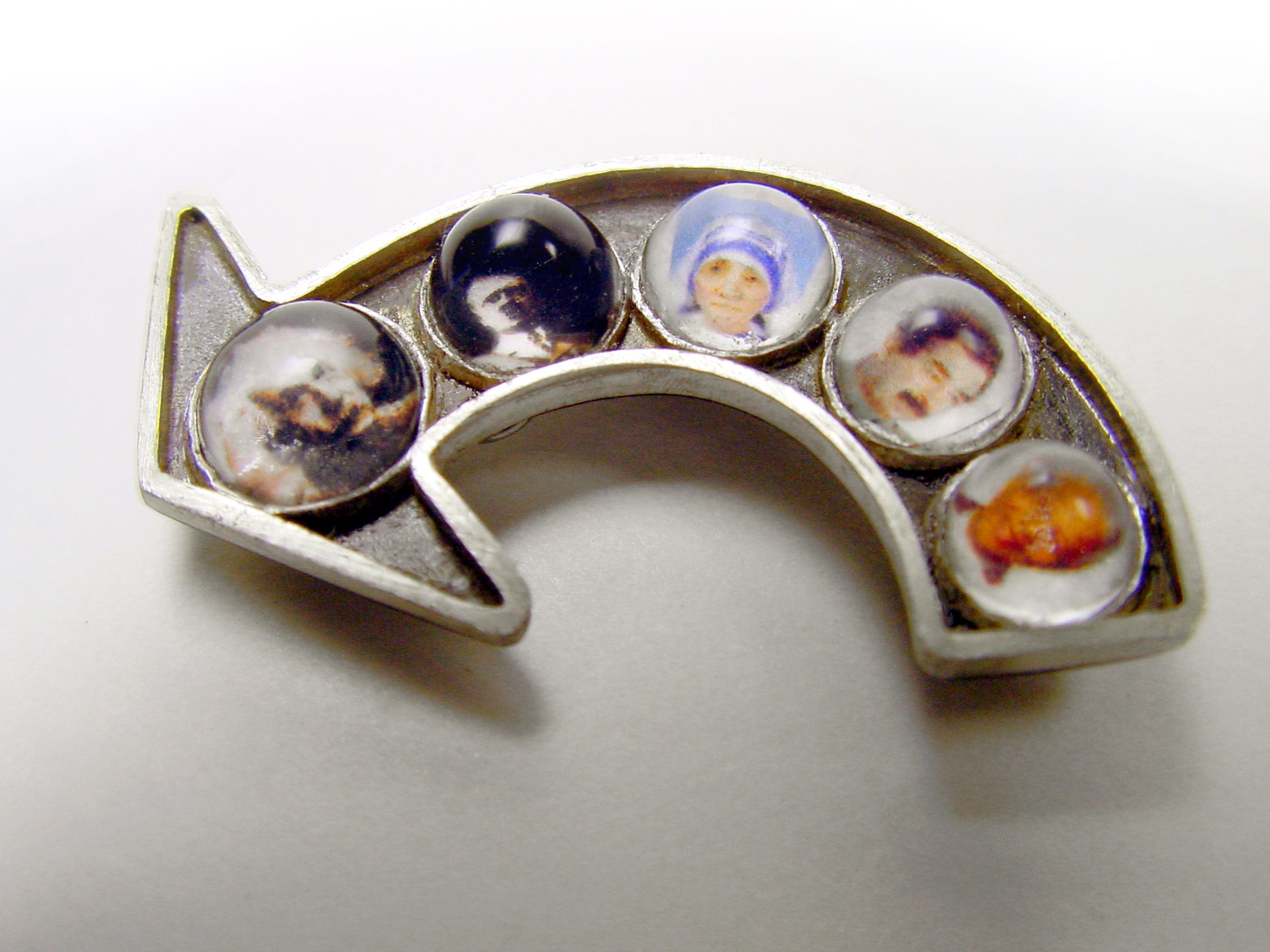
Pointers
The didactic finger
The work in this category reflects on how good and bad are perceived, presented, controlled, and carried around, focusing on their objectives and motives. It raises a set of questions: what is going on, what is everybody’s position on this? Is the vice or virtue actual, factual, or virtual? How much of each, and in what order?
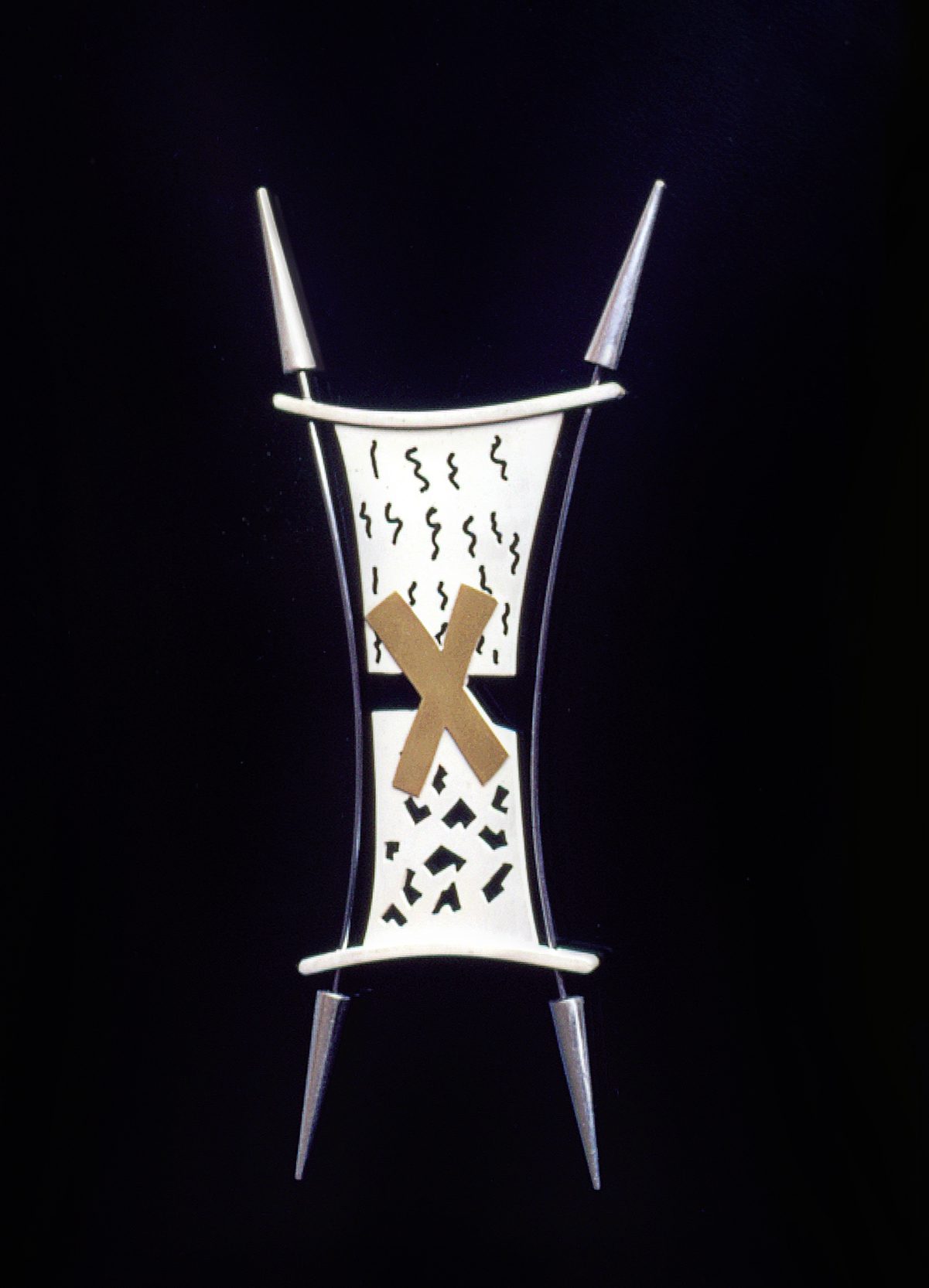
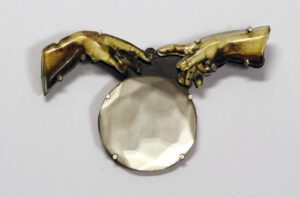
Before the War, brooch, 1987, st.silver, 18kt gold
Objects as Triggers
Throughout history, humans have imbued objects with significant meaning, allowing them to act as powerful triggers in our lives. Whether ordinary or extraordinary, these objects wield influence far beyond their physical presence. Understanding their psychological and cultural impacts reveals how deeply ingrained beliefs and perceptions can shape our reality.
The Placebo Object concept explores how belief, perception, and tangible effects intersect, demonstrating how our minds can transform simple items into potent symbols. This phenomenon showcases these objects’ profound psychological impact, influencing our thoughts, behaviours, and even societal shifts, ultimately shaping our reality and driving significant changes in both personal and collective contexts.

Value Pack
Value, a multifaceted concept, weaves through human nature and culture, extending beyond the tangible world of jewellery. My work explores how value shapes interactions, beliefs, and societal structures, intertwining with economics, human behaviours, cultural and political constructs, language, and beliefs. This highlights the complexities and evolving perceptions of value that influence and are influenced by numerous factors.


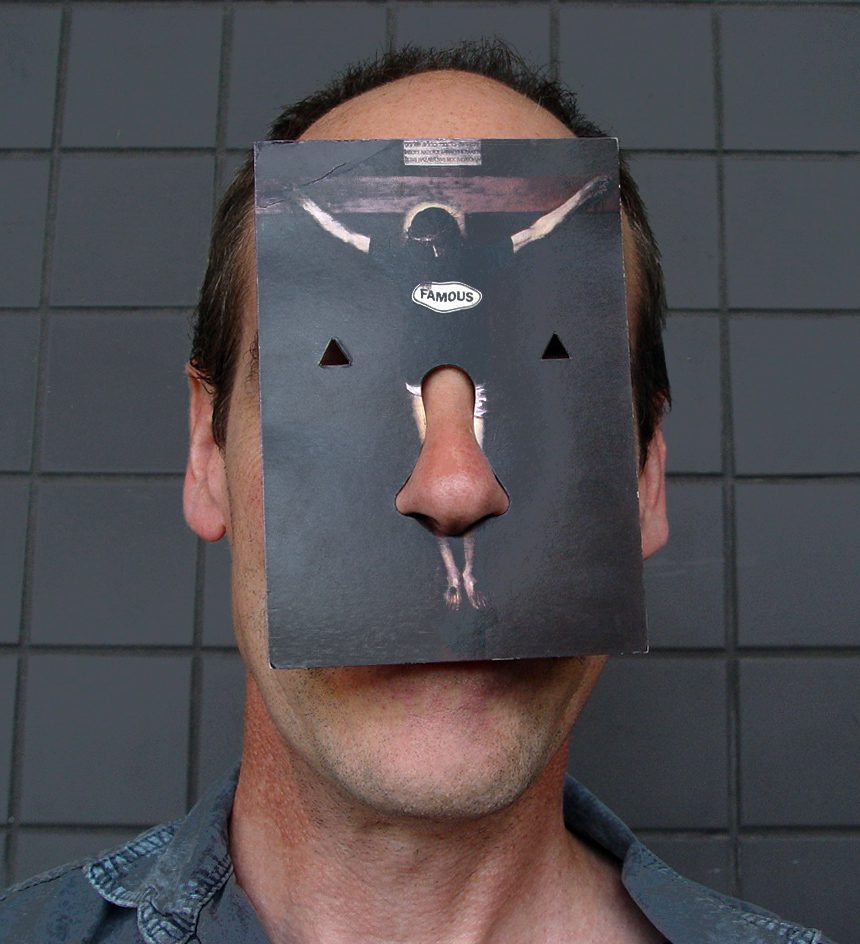
Illusion of Beauty
In Hollywood, the relentless chase for beauty, driven by the motivation of money and ambition, is like a high-stakes game. Botox, enhanced curves, and sculpted bodies are mere tickets to the grand prize. This pursuit of perfection, fuelled by the hope of lucrative deals, endorsements, and elusive big breaks, convinces many to reshape themselves into ever more desirable versions. The promise of fame is a powerful lure, drawing admiration and endorsements, forever striving to combat imperfection, for acceptance in a world that values appearances over substance. This desperation to stay relevant brings out the irony and can even bleed into criminality. Fame’s blinding spotlight casts long, lonely shadows, where the thrill of infamy becomes another act in the tragicomedy of one’s life.
It mirrors the films they churn out, where the pursuit of success leads to absurd yet poignant outcomes. Dreams are fuelled by dollars, and ambition lights the path, but the constant search for the spotlight can drag one into the darkest corners. Fame has a dark mirror, reflecting not just the glamour, but the relentless toll it takes. It mirrors the history of Western culture, where the pursuit of beauty, success, and recognition often comes at a high cost. From ancient Roman gladiators to modern-day celebrities, the narrative remains strikingly similar—ambition and the quest for glory inevitably cast shadows of tragedy and moral compromise. This dichotomy shows how the chase for fame, power, and wealth has always been a double-edged sword throughout history.
Like the biblical Absalom, whose vanity led to his downfall, or Icarus, who flew too close to the sun, the relentless pursuit of beauty and fame in Hollywood often leads to a spectacular rise and an inevitable, tragic fall, casting long, lonely shadows over the glittering dream. The question remains: is this a flaw in how the lure of beauty and the power of fame confuse the purpose of life? When God wants to punish somebody, he first lets them have success in Hollywood.
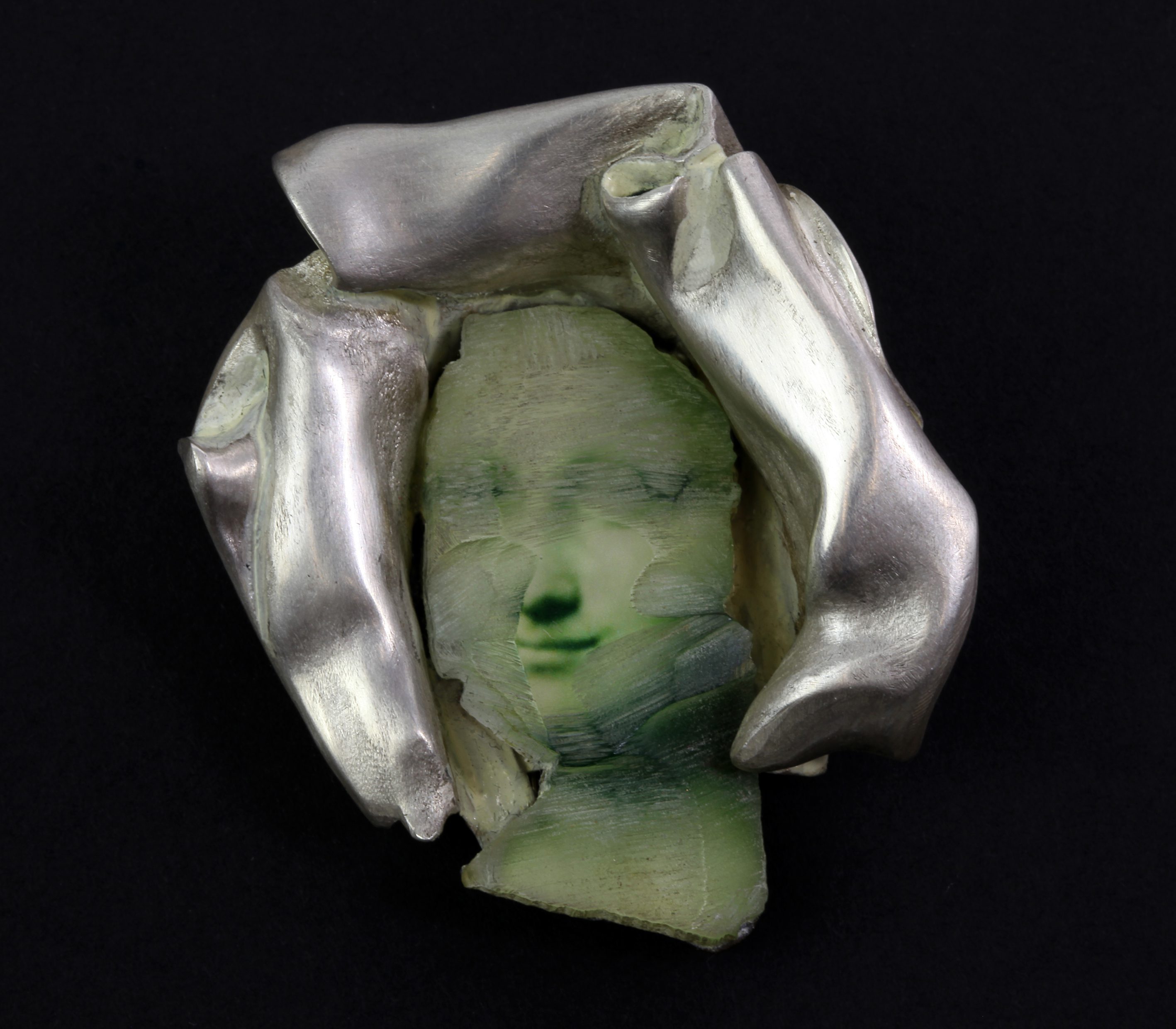
Smiley series
Icons gain their meaning through our collective acceptance.
The Mona Lisa, painted by Leonardo da Vinci, is shrouded in mystery. Her smile’s delicate curves and intricate details have captivated generations, eliciting interest in the enigmatic nature of her expression, where secrets and intentions remain elusive.
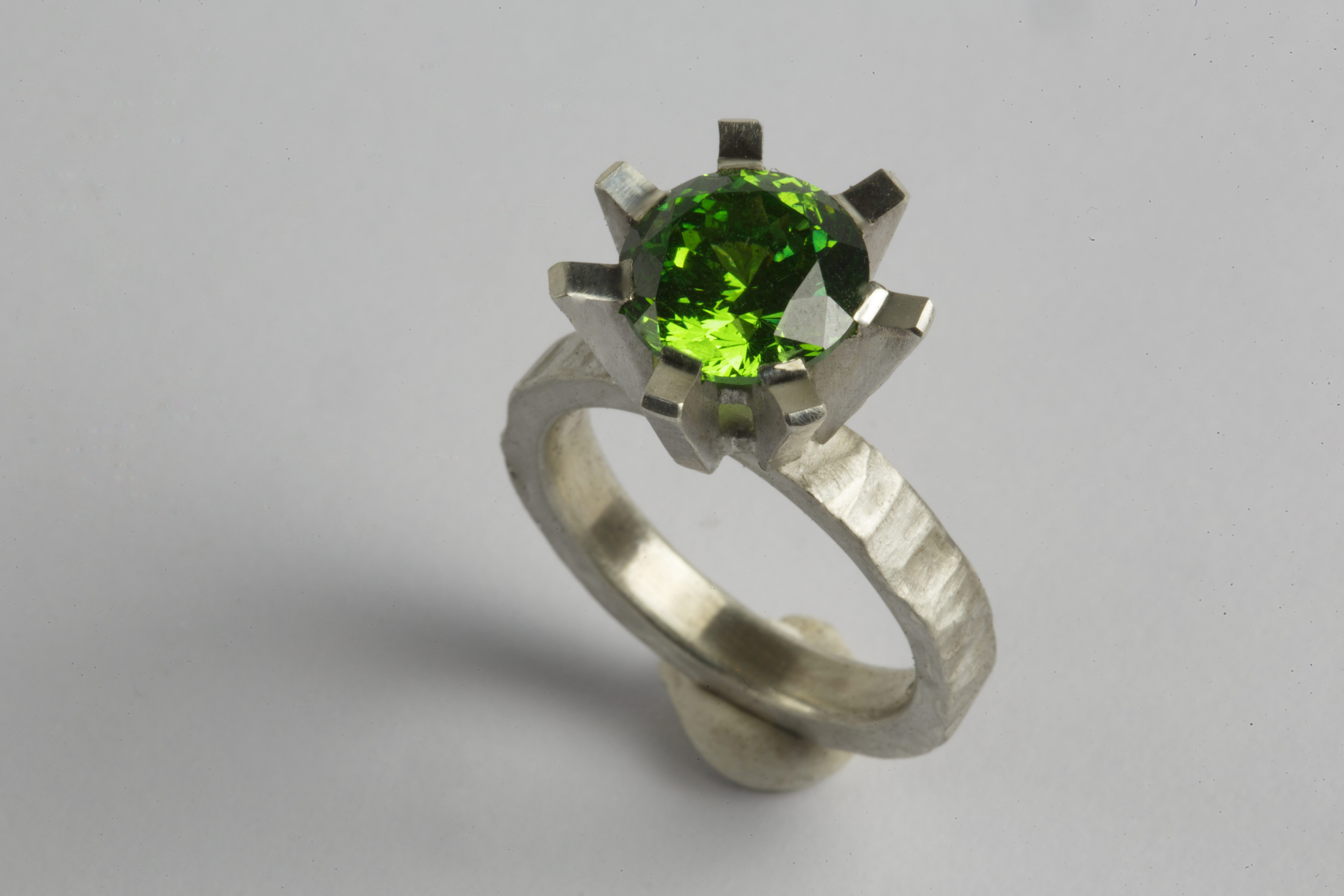
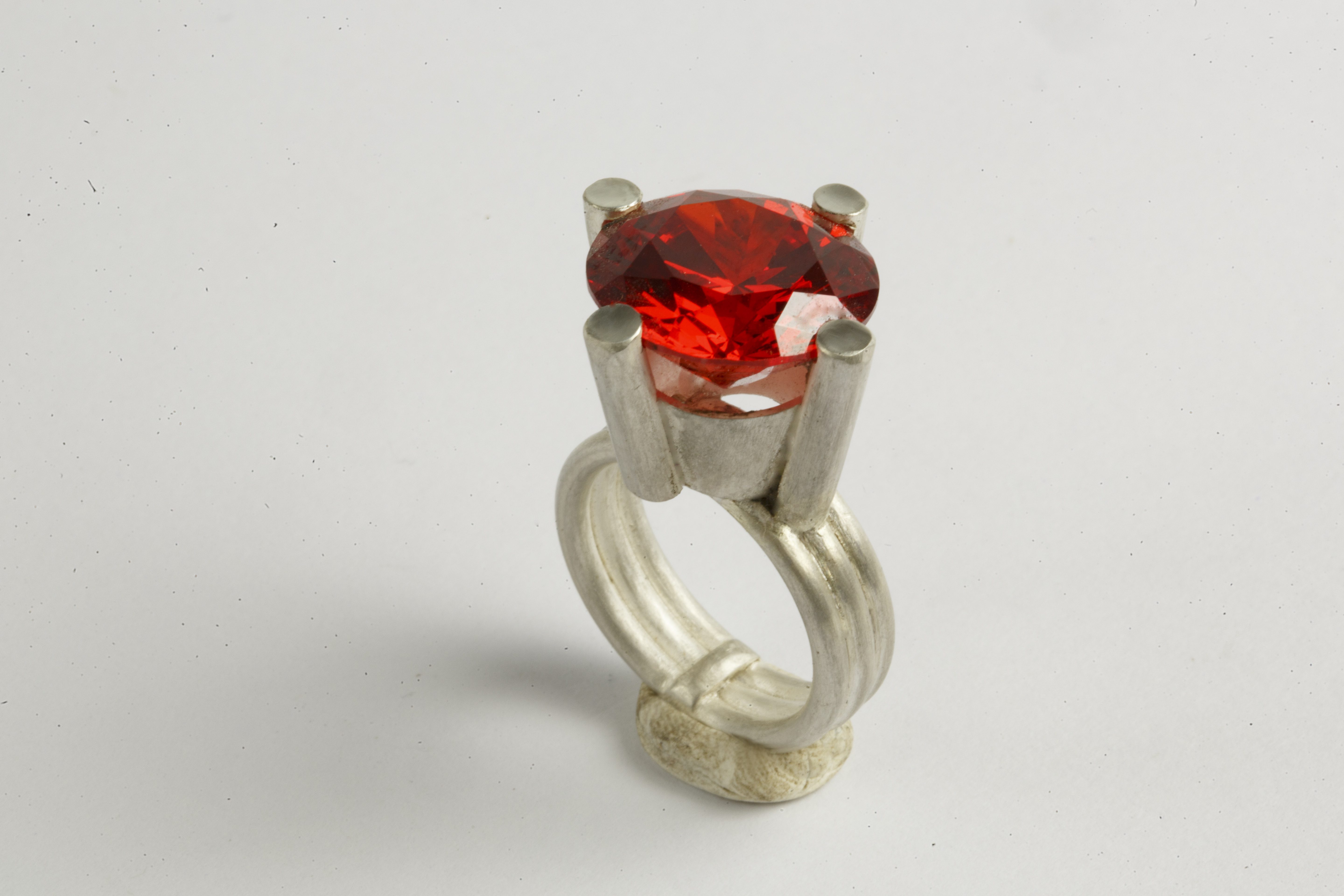
Lab-Grown Stones, series
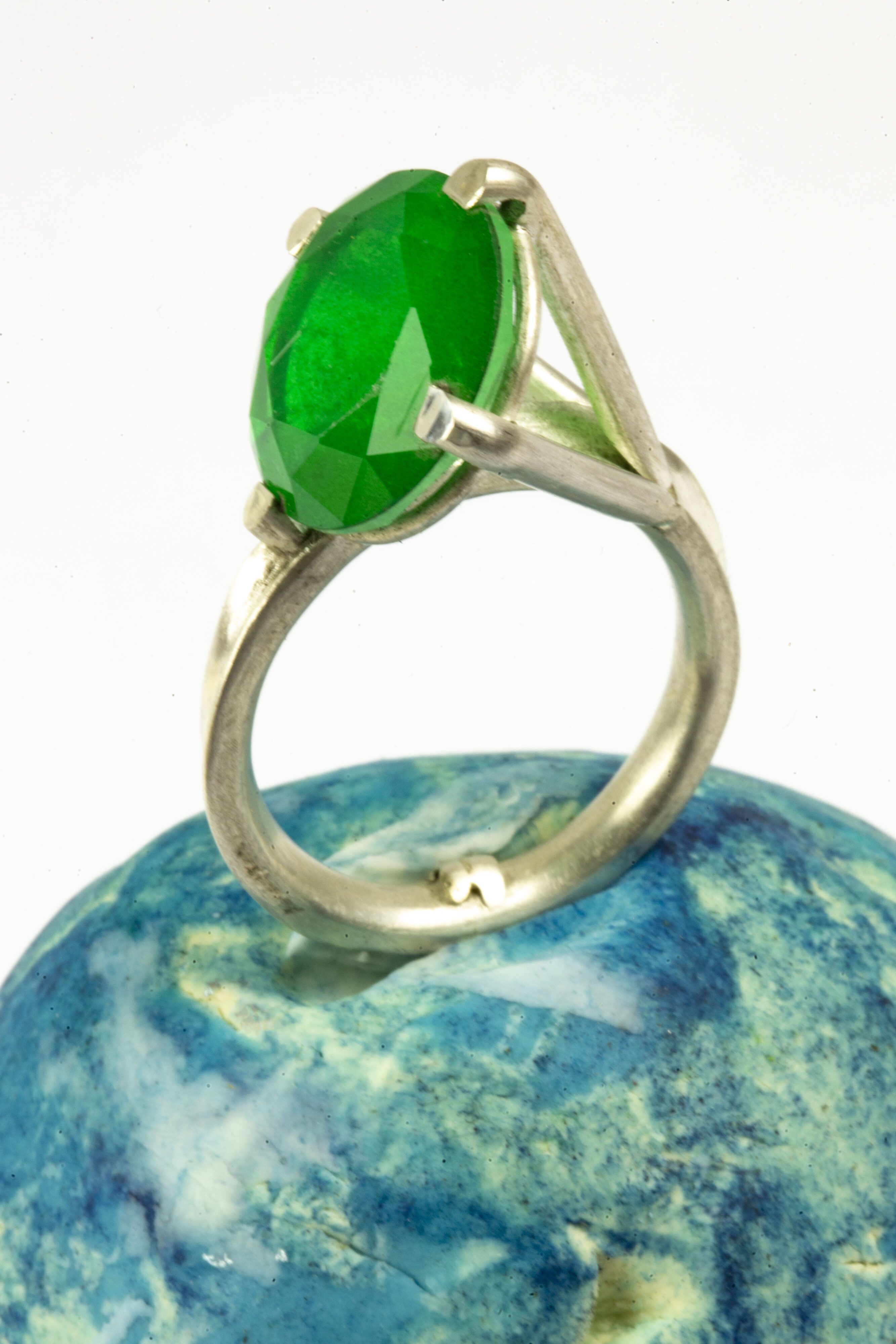
In contemporary jewellery, which defies traditional material constraints, I use lab-made gemstones over natural ones. These lab-created stones mirror the quality of natural gems and represent a commitment to ethical artistry, opposing an industry rife with unethical practices. For over 40 years, I’ve used gemstones for their contextual quality, now celebrating how light transforms through facetted gemstones. Lab-made gems offer a dazzling, affordable alternative. They mimic natural stones so closely that even experts struggle to tell them apart. Historically, synthetic alternatives like Cubic Zirconia have aimed to provide ethical beauty. Lab-created gems, formed by forces mimicking millions of years of natural processes, deserve recognition.
Choosing lab-made stones challenges traditional perceptions of value and authenticity, often manipulated by the industry. As an artist, I reconsider what might or not be true value. By rejecting unethical practices and the use of recycled materials my work supports a more sustainable future where beauty and integrity coexist.
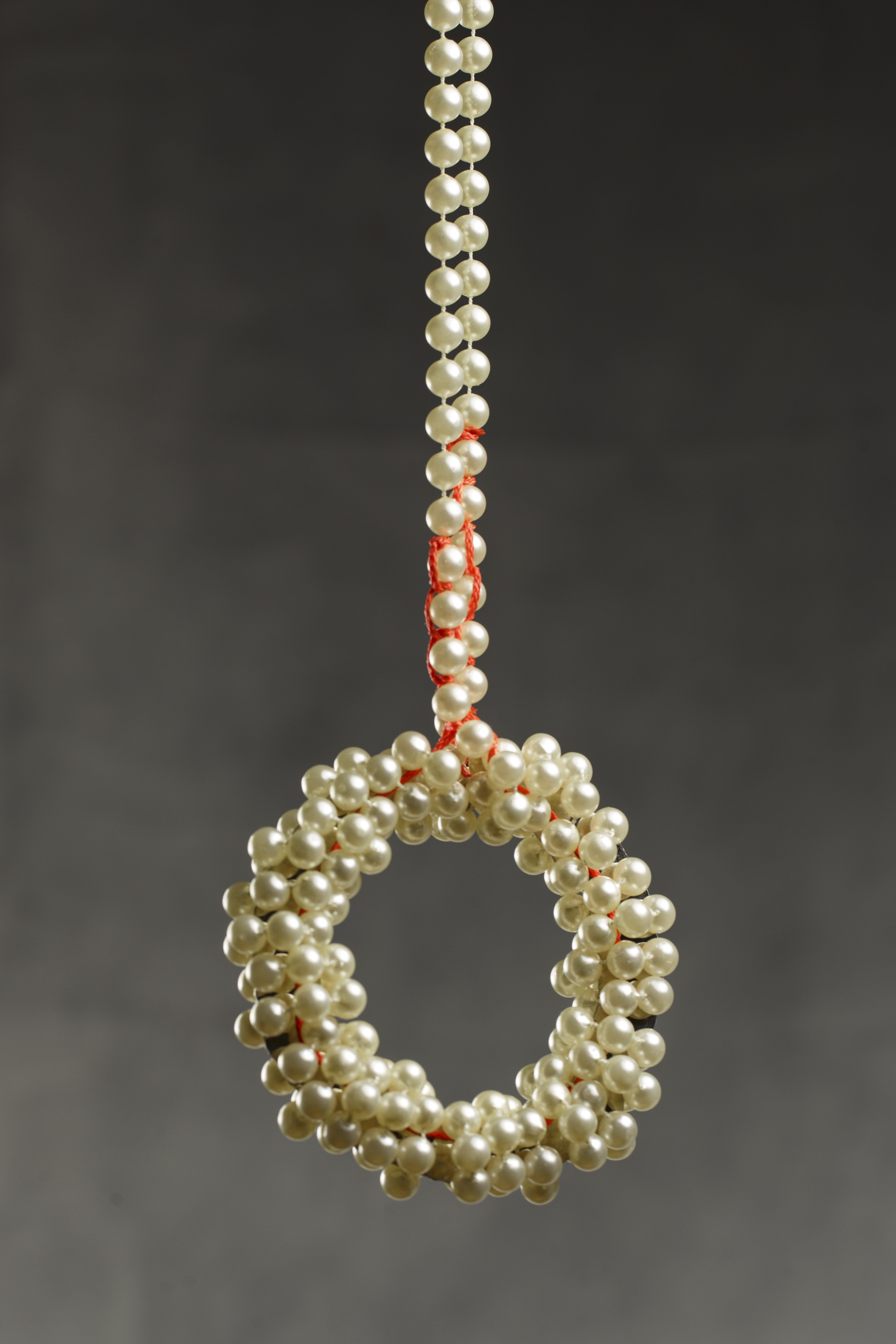
Imitations
How the Real is Replaced by the Illusory
In an era marked by rapid innovation and resource constraints, the distinction between genuine and imitation goods is increasingly blurred. The allure of imitations, simulations, and knock-offs permeates various sectors, driven by ethical considerations, economic benefits, and the desire for accessibility. This trend is evident in the fashion industry, where high-end designs are replicated for broader consumer access, and in the jewellery market, where imitation and lab-grown stones and pearls offer cruelty-free and environmentally responsible alternatives. As these ethical choices gain traction, they challenge traditional notions of authenticity and raise significant concerns regarding copyright, cultural appropriation, the value of authentic products, and the potential dilution of quality and longevity.
Philosophers from Socrates to Baudrillard have provided diverse insights into the nature of reality, authenticity, and imitation, contributing to a comprehensive understanding of how the real is often replaced by the illusory. Their perspectives enrich our exploration of these complex issues, shedding light on the profound impact that imitations have on our perceptions and experiences. As consumers navigate this intricate landscape, the challenge lies in balancing the appreciation of genuine craftsmanship with the ethical appeal of affordable, cruelty-free alternatives, fostering a more conscientious consumer culture that respects both creativity and cultural heritage.
The proliferation of copies and simulations raises pressing questions: what is real, and what makes it real? In a world where multiplication of images, objects, and experiences is constant, originality itself becomes unstable. The artificial is no longer simply a substitute for the natural; it becomes a parallel reality, one that provokes reflection on the systems of value and belief that sustain our sense of authenticity.
Simulation, as Baudrillard reminds us, does not merely imitate reality—it produces it. The copy can precede the original, shaping desire and expectation before the “real” is even encountered. In this sense, the artificial is not a lesser version but a generative force, capable of creating new realities that challenge the boundaries of originality. Imitation becomes a mirror, revealing how much of what we call “real” is already constructed through perception, politics, and cultural filters.
The multiplication of imitations—whether in fashion, jewellery, or digital media—exposes the fragility of originality. When lab-grown stones or replicated designs circulate widely, they democratize access while simultaneously destabilizing the aura of uniqueness. This tension reveals that authenticity is not inherent in the object but negotiated through context, belief, and cultural consensus.
What is real, then, is not simply a matter of material origin but of relational meaning. The artificial and the simulated remind us that reality is always mediated, always subject to reinterpretation. In this landscape, the illusory does not erase the real but replaces it with new layers of perception—layers that demand vigilance, critical reflection, and, perhaps, a reimagining of value itself.