

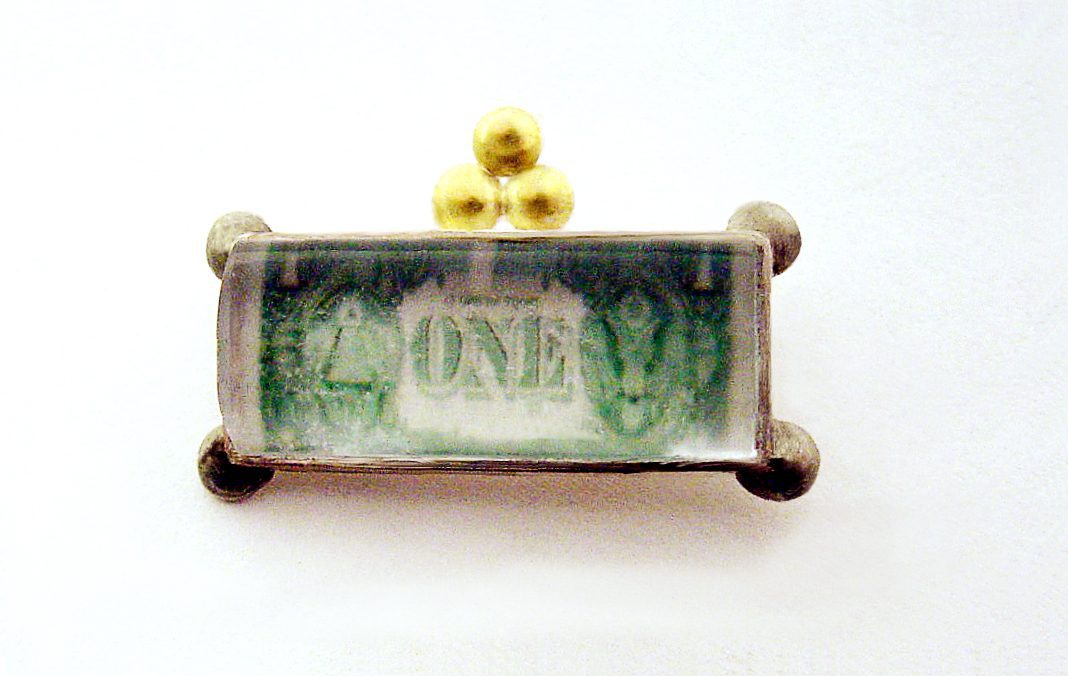
Value Pack
Value, a multifaceted concept, weaves through human nature and culture, extending beyond the tangible world of jewellery.
My work explores how value shapes interactions, beliefs, and societal structures, intertwining with economics, human behaviours, cultural and political constructs, language, and beliefs. This highlights the complexities and evolving perceptions of value that influence and are influenced by numerous factors. In a world where everything is interconnected, it’s essential to understand how values are formed and how they influence human behaviour, especially in the context of deception, political narratives, violence, misinformation, and increasing intolerance. This exploration often raises more questions than it answers, underscoring the complex interaction between our instincts and the cultural norms imposed by society.
Human nature leans towards self-preservation, seeking pleasure, and fostering connections. Yet, culture moulds these impulses into values guiding behaviour within specific contexts. Compassion and altruism may emerge naturally, but cultural narratives can twist these instincts towards competitiveness or systemic intolerance, revealing the duality in human behaviour.
Cultural values dictate what is acceptable, desirable, or worthy. In capitalist societies, the emphasis on success and wealth can lead to manipulating perceptions and measuring worth in material gains rather than intrinsic qualities. Such a framework normalises deceit and greed, especially among those striving to climb social or economic ladders.
Social media influencers wield significant power over public perception, shaping values through curated images that might not reflect reality. This raises questions about authenticity and integrity. Influencers promoting consumerism create trends that redefine individual and collective values, commodifying the human experience.
Language intertwines with values, communicating, influencing, and sometimes distorting them. Politicians and propagandists use rhetoric to shape public perception, aligning issues with their own agendas. Thoughtful word choice can redefine values, causing people to support or oppose ideas based on emotionally charged language. Phrases like “fake news” erode trust in credible journalism, shifting public perception toward misinformation. This kind of rhetoric creates an environment where critical thinking declines, popular opinions and conspiracy theories gain traction, and emotional reactions intensify, leading to increased aggression.
Polarised cultural values have led to escalating aggression and intolerance. Social media echo chambers reinforce views, making opposing perspectives seem dangerous. This perception erodes empathy and open-mindedness, creating a cycle of conflict and division.
Understanding value through perception, human nature, and culture provides essential insights into the challenges faced by contemporary society. As influencers and political rhetoric reshape values, approaching information and interactions with a critical eye becomes crucial. Promoting dialogue and empathy in an increasingly aggressive and intolerant environment allows us to work towards a more compassionate society that prioritises genuine human connections over superficial measures of worth. This approach helps us tackle the complexities of value and perception, transcending limitations imposed by human nature and cultural distortions, encouraging us to embrace a shared humanity acknowledging the diverse tapestry of values shaping our world.


Intrinsic and Perceived value
The relationship between intrinsic and perceived values is always changing, influenced by factors such as economic conditions, conflicts, and societal changes. During difficult times, there is often a renewed appreciation for intrinsic values that sustain life and well-being, rather than temporary perceived values. This highlights human nature’s resilience and adaptability in the face of adversity.
In times of prosperity, people may prioritise investments in stock markets or luxury items like jewellery. However, during economic downturns, the focus shifts to securing intrinsic values such as food, shelter, and healthcare. In conflict situations, gold and jewellery often resurface as critical assets, serving as tangible stores of value when other forms of currency become unstable or worthless. Crises reveal the fragility of perceived values, with intrinsic values taking precedence as individuals strive to meet basic needs.
Perceived values are societal constructs that can vary widely by culture and context, encompassing elements like economic prosperity, often prioritised over environmental concerns in capitalist societies, where profit can overshadow community well-being. Political stability, valued differently based on governance and ideology, can lead to increased tensions and violence, while cultural identity is often used to justify exclusion or conflict, particularly during resource scarcity and land conquests justified by ethnic cleansing.
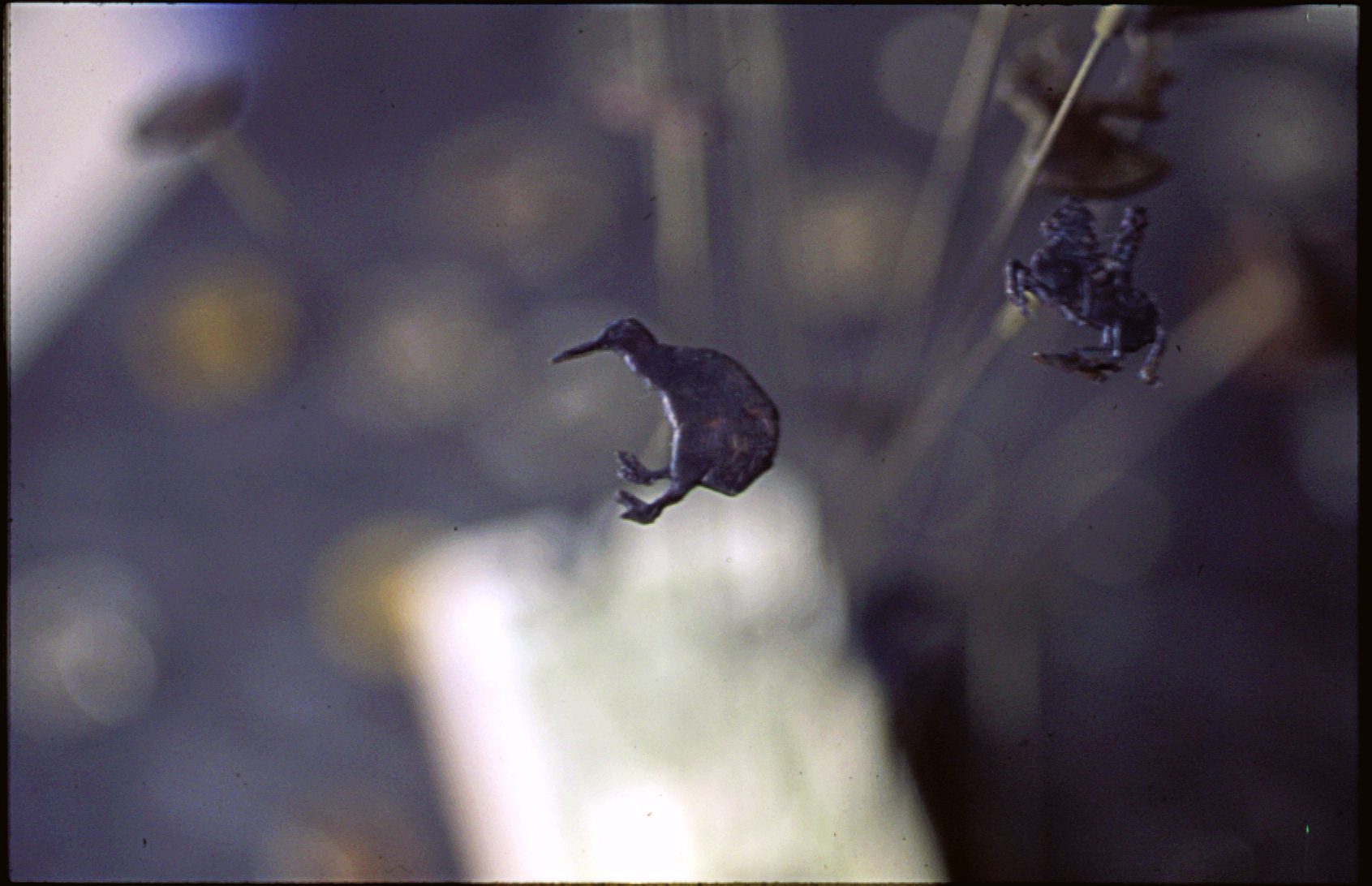
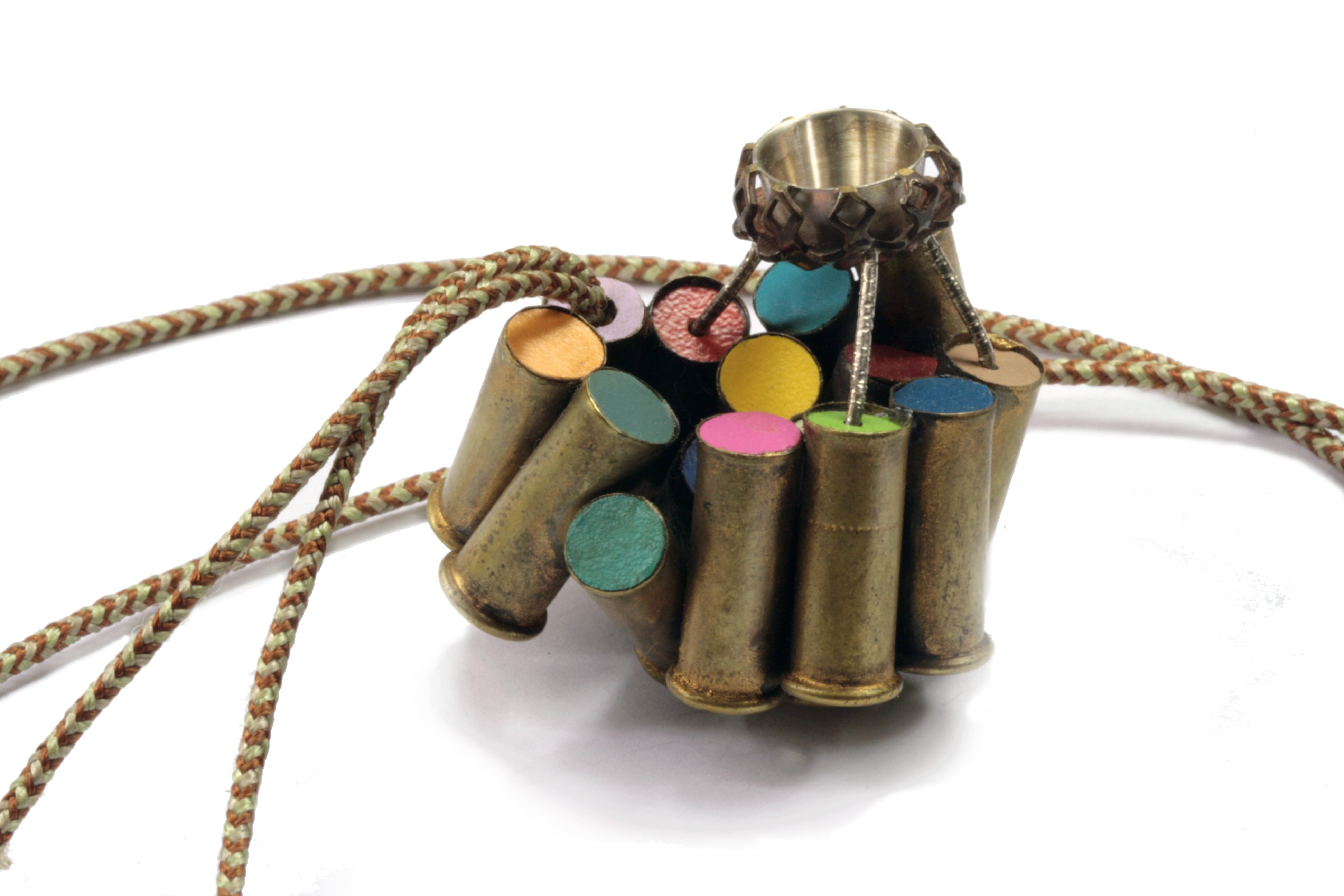
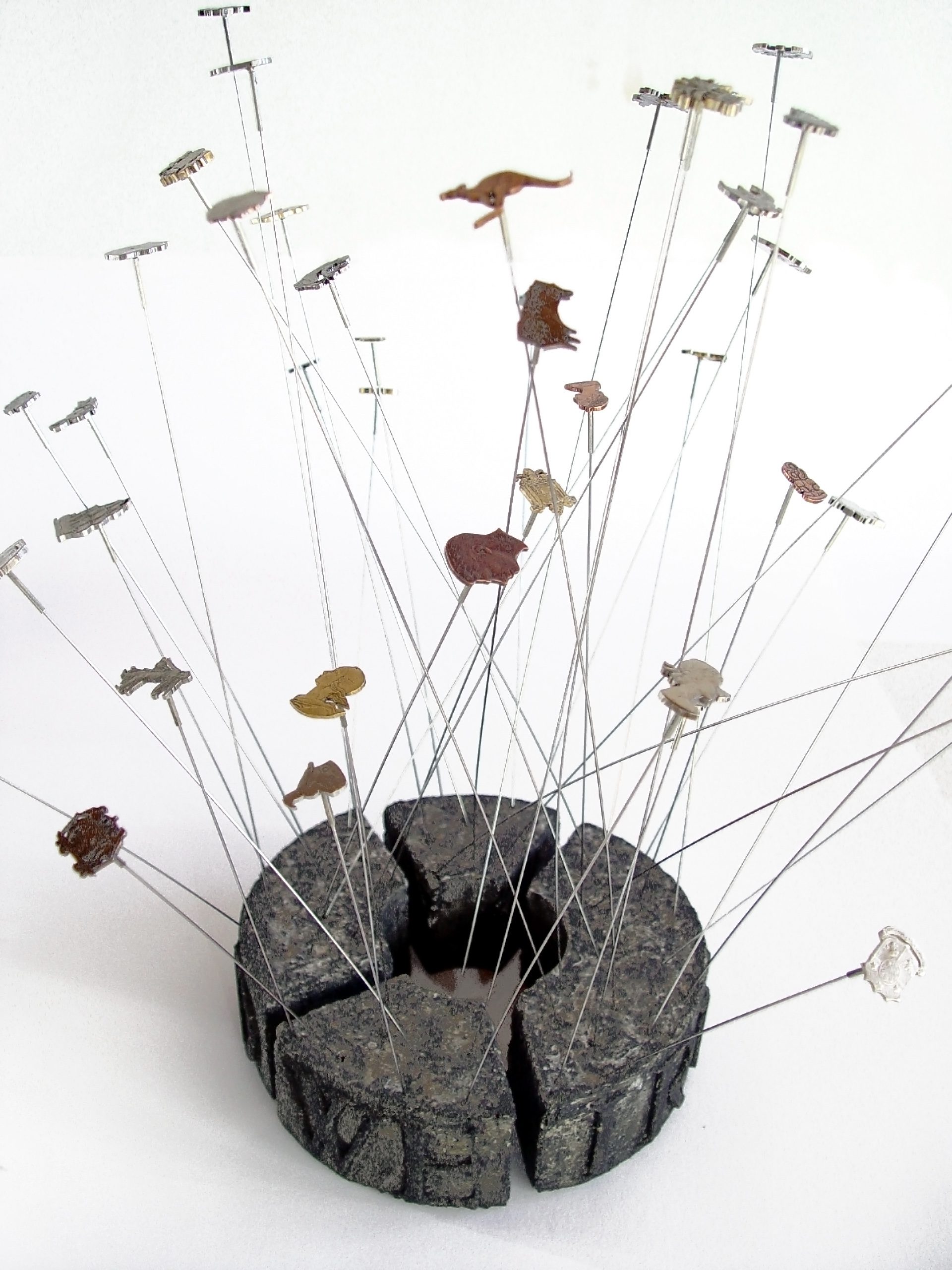
OCCUPIED, In God We Trust, 1999, coffee table conversation sculpture, international cut coins, concrete, stainless steel
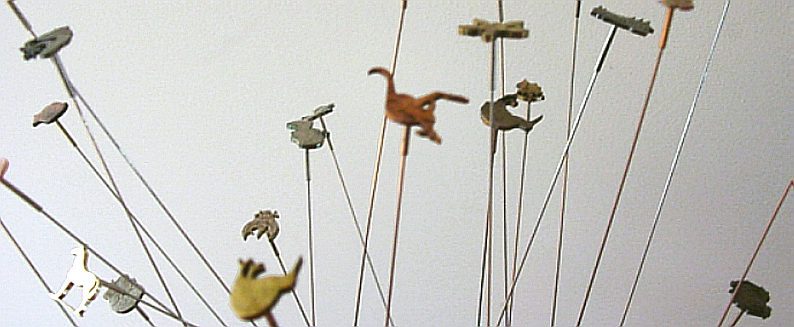


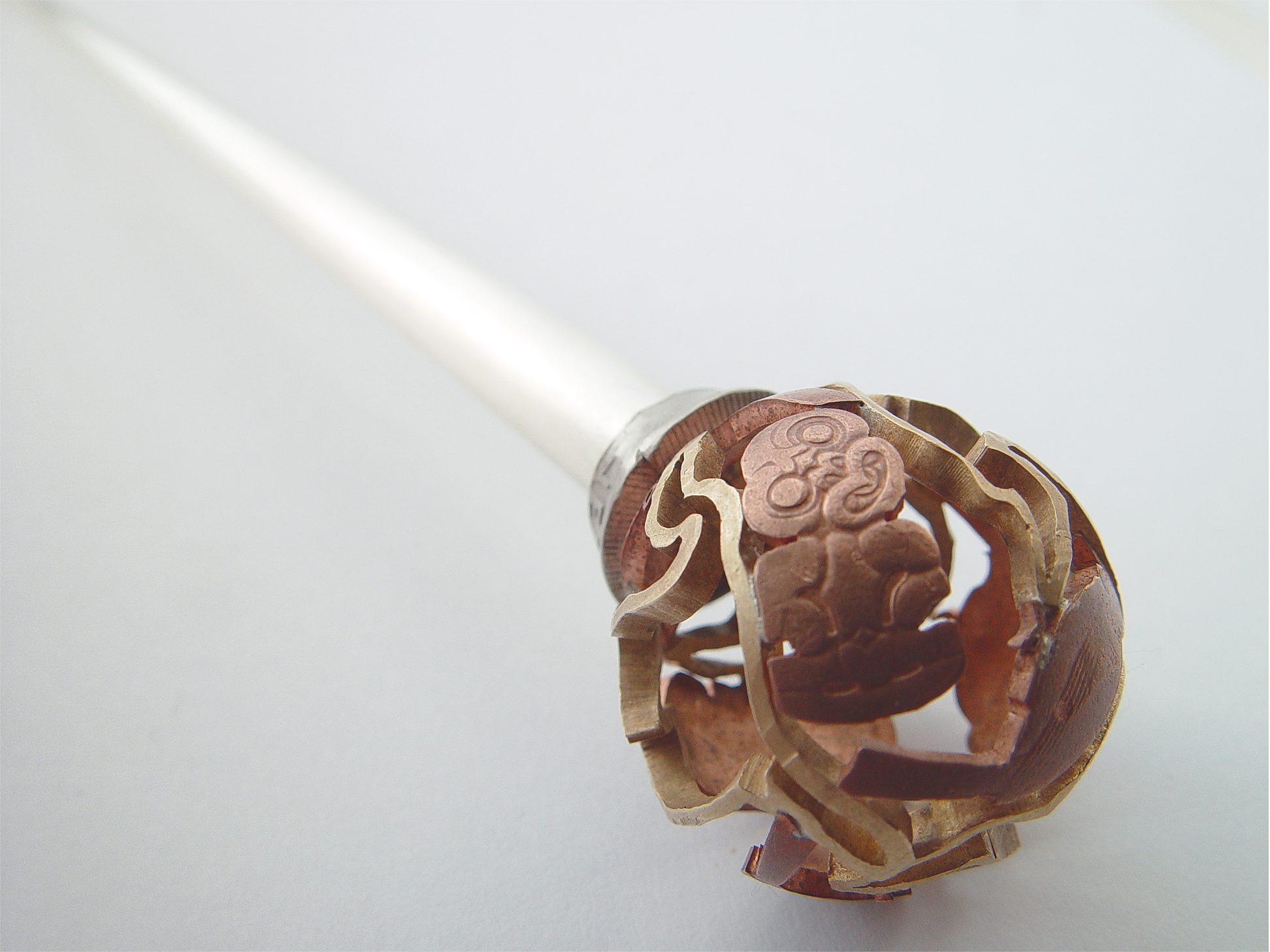
COIN and ICON
My mother cut devalued Dutch coins during the Second World War. A jeweller employed her to extract the Dutch Queen’s head from those devalued silver coins, incorporating them into his jewellery designs. She was paid in kind with food.
This exchange inspired my interest in the dichotomy of symbolic and monetary values and their rewards. It throws up questions of what triggers these shifts. How does value change when its agreed value depletes? Is this form of exchange a reflection of how humanity has bartered for ages, constantly reassessing the worth of one product against another?