
The Elusive Essence of Value
from Barter to Bitcoin: Tracing the Shifts in Human Perceptions and Behaviour
What truly defines value: the rarity of an object or the stories we tell about it?
The Elusive Essence of Value
from Barter to Bitcoin: Tracing the Shifts in Human Perceptions and Behaviour
What truly defines value: the rarity of an object or the stories they tell?
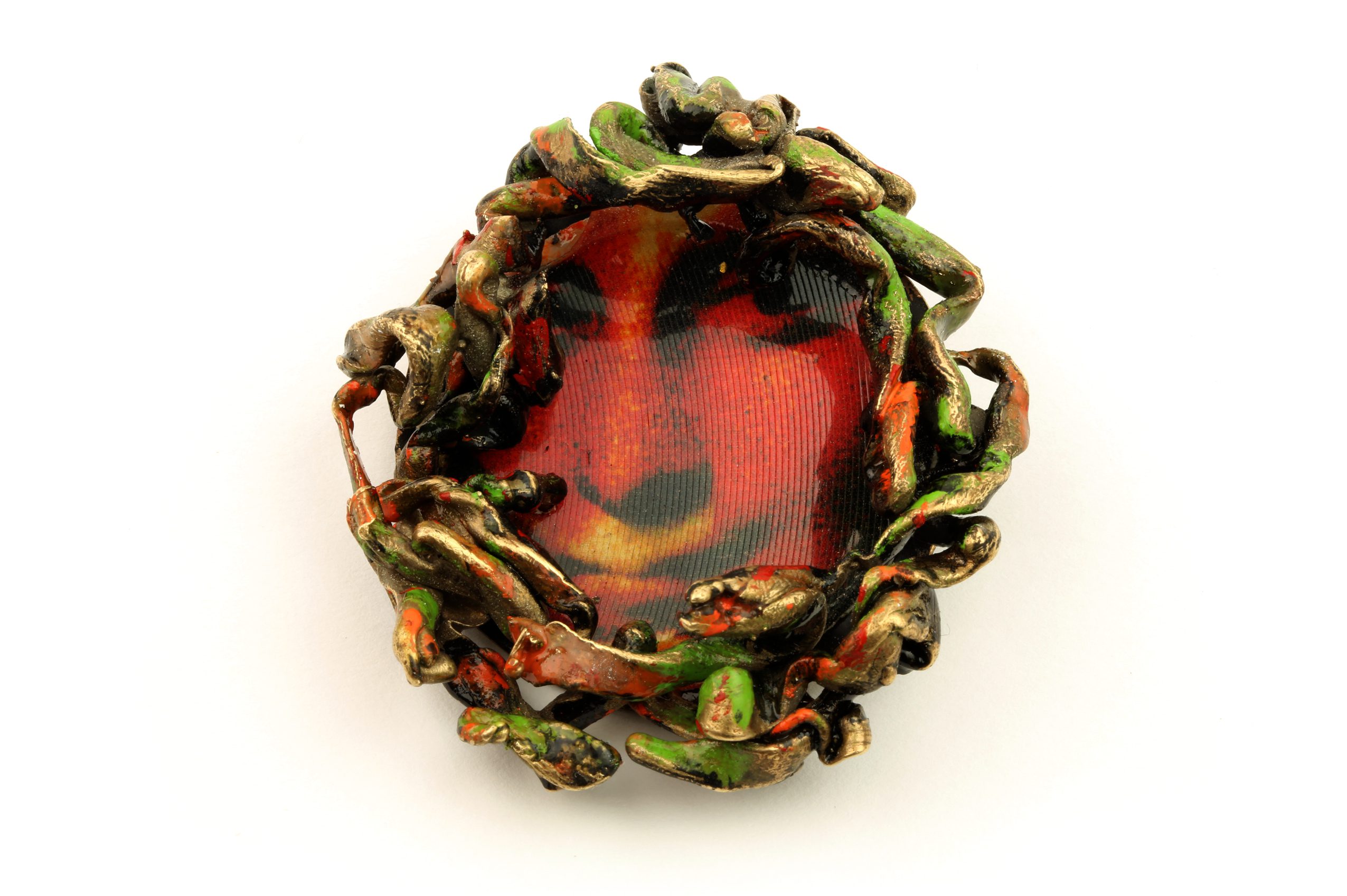
Value behaves less like an intrinsic property and more like a cognitive process shaped by biology, emotion, narrative, and collective belief.
The brain predicts reward; culture defines desirability; stories infuse meaning; identity influences preference; scarcity and utility supply a rational frame. All together, they form a feedback loop in which value is co‑constructed between minds. This helps explain why some individuals recognise value intuitively while others struggle: they are attuned to different layers of the loop. Worth is simply the point at which these layers intersect.
The concept of value is an inherent part of human nature, woven into our very DNA. This intrinsic drive encompasses both our capacity to measure and project value. Throughout history, humans have developed sophisticated methods to assess the worth of objects, ideas, and actions. This ability goes beyond understanding the tangible aspects of value, such as rarity or utility; it also includes recognising and attributing intrinsic value based on personal, cultural, historical, and spiritual contexts.
The evolution of bartering into more sophisticated systems of exchange highlights this intrinsic drive. Early humans exchanged goods and services based on mutual needs, laying the foundation for complex economic systems. As societies grew, these rudimentary exchanges evolved into agreed-upon systems of currency and trade, facilitating broader economic interactions and growth.
The creation and exchange of value are dynamic processes rooted in mutual agreement and collective acknowledgment of worth. Intellectual contributions and social interactions also hold immense value, influencing society and driving progress.
Provenance adds another layer to our understanding of value. The history of an object—who owned it and its rarity—can significantly enhance its worth. A seemingly ordinary item can become extraordinarily valuable if it has a fascinating backstory or is owned by a notable figure. For example, a handwritten letter by Albert Einstein is valued not just for its content, but for its connection to the iconic scientist. Similarly, rare artefacts and antiques gain value through their scarcity and historical significance, becoming parts of a larger narrative.
The speculative frenzy of Dutch tulip mania in the 17th century saw single tulip bulbs valued higher than houses, only to plummet in worth overnight. This illustrates the volatile nature of perceived value, highlighting the role of collective belief in creating bubbles that can dramatically inflate and deflate the value of goods.
Throughout history, the concept of intrinsic value has carried a certain mystique. This type of value is deeply rooted in personal narratives and historical contexts, making it elusive and subjective. Intrinsic value goes beyond material measures; it represents an item’s inherent worth due to its unique intangible qualities, such as memory, sentiment, inspiration, mystique, ownership, cultural significance, uniqueness, provenance, or lasting importance. The impact of objects and the hidden forces they embody often surpass our current scientific understanding.
For example, an heirloom, such as a piece of jewellery, can be irreplaceable and worth far more than its monetary value. Similarly, the Mona Lisa is valued not only for its physical components but also for its unique historical and cultural significance, including the artist who created it and the captivating smile that inspires all who view it. Banknotes fall into this category as well; the paper itself has little value compared to the agreed-upon worth. This is akin to the intrinsic value of owning a unique digital asset like Bitcoin, which holds value that extends far beyond its physical or digital components.
In addition to intrinsic factors, the manipulation of value through marketing and psychological tactics has become increasingly common. Marketers are skilled at creating a sense of need and desire for products and services that people may not have initially considered essential. By appealing to emotions, aspirations, and social pressures, marketing campaigns can artificially inflate the perceived value of an item. This can lead to phenomena such as brand loyalty, where the value of a product is enhanced by its association with a particular image or lifestyle. The practice of creating value through manipulation is evident in how advertisements often stimulate demand that may not have existed before. For example, during the 20th century, the diamond industry successfully convinced people that diamonds are a quintessential symbol of love and commitment through strategic marketing. This altered perception created a market for diamonds that had previously been relatively small. This demonstrates how perceived value can be carefully constructed and influenced, often leading to frenzies and bubbles in various markets.
Technological progress has also played a crucial role in forming new needs while rendering old ones obsolete. For instance, the advent of the car made horse-drawn carriages largely redundant, while creating a whole new set of needs related to automobiles. This shift not only transformed how people travelled but also spurred entire industries focused on manufacturing, fuel, and infrastructure. Similarly, the rise of digital technology has revolutionised communication, entertainment, finance, and even how we work, often creating needs we never knew we had. As technology advances, it continually reshapes what we consider valuable, influencing both our individual lives and broader societal structures.
Historically, personal secrets, customs, and belief systems have played a pivotal role in shaping what we value. Superstitions, religions, myths, and curses have added layers of meaning and significance to objects and practices. These belief systems often determine what is considered valuable within a community. For example, religious relics are revered not only for their material worth but also for their spiritual significance and the narratives associated with them. Myths and legends imbue certain places, objects, or symbols with sacred or cursed value, influencing how communities perceive and interact with them.
Knowledge, whether from trusted sources, gossip, propaganda, or new media with false information, instantly connects to its value acceptance among people, creating its own value bubble. This phenomenon is particularly evident in politics, where the strategic use of information shapes public perception, drives political movements, and influences policy decisions. Politicians and campaigns utilise propaganda, media, and public relations to create a sense of urgency or need, often leading to collective beliefs that can significantly impact societal dynamics. The proliferation of social media has exacerbated this issue by creating echo chambers where misinformation spreads rapidly, influencing public opinion and political outcomes.
This manipulation of information can cause damaging frenzies. These frenzies generate immense hype, leading to panic, stock market crashes, inflation, and even economic collapses. They often stem from a collective belief in the rapidly increasing value of an asset, resulting in speculative bubbles. When these bubbles burst, they cause dramatic declines in value, economic instability, and significant financial losses. The hype around certain stocks, cryptocurrencies, or other assets can lead to irrational exuberance, culminating in a crash when reality sets in.
As these systems evolved, the creation and manipulation of value began to reflect deeper societal dynamics. Value became a tool of power and control, leading to wealth accumulation and economic disparity. Those at the top often manipulated markets to maintain their status, resulting in poverty and uneven wealth distribution. This relentless pursuit of value has driven both innovation and exploitation, prioritising profit over sustainability and equity. The rise of corporate culture often emphasises profit and efficiency over ethical considerations, leading to practices that prioritise financial gain at the expense of social responsibility.
Understanding intrinsic value is crucial, as it reflects the deeper layers of human experience and belief systems, shaping how we perceive and interact with the world. This behaviour, ingrained in our social and economic structures, raises critical questions about what we truly value as a society. How do we balance growth with fairness, ensuring that the pursuit of value does not undermine the very principles that support human well-being and social justice?
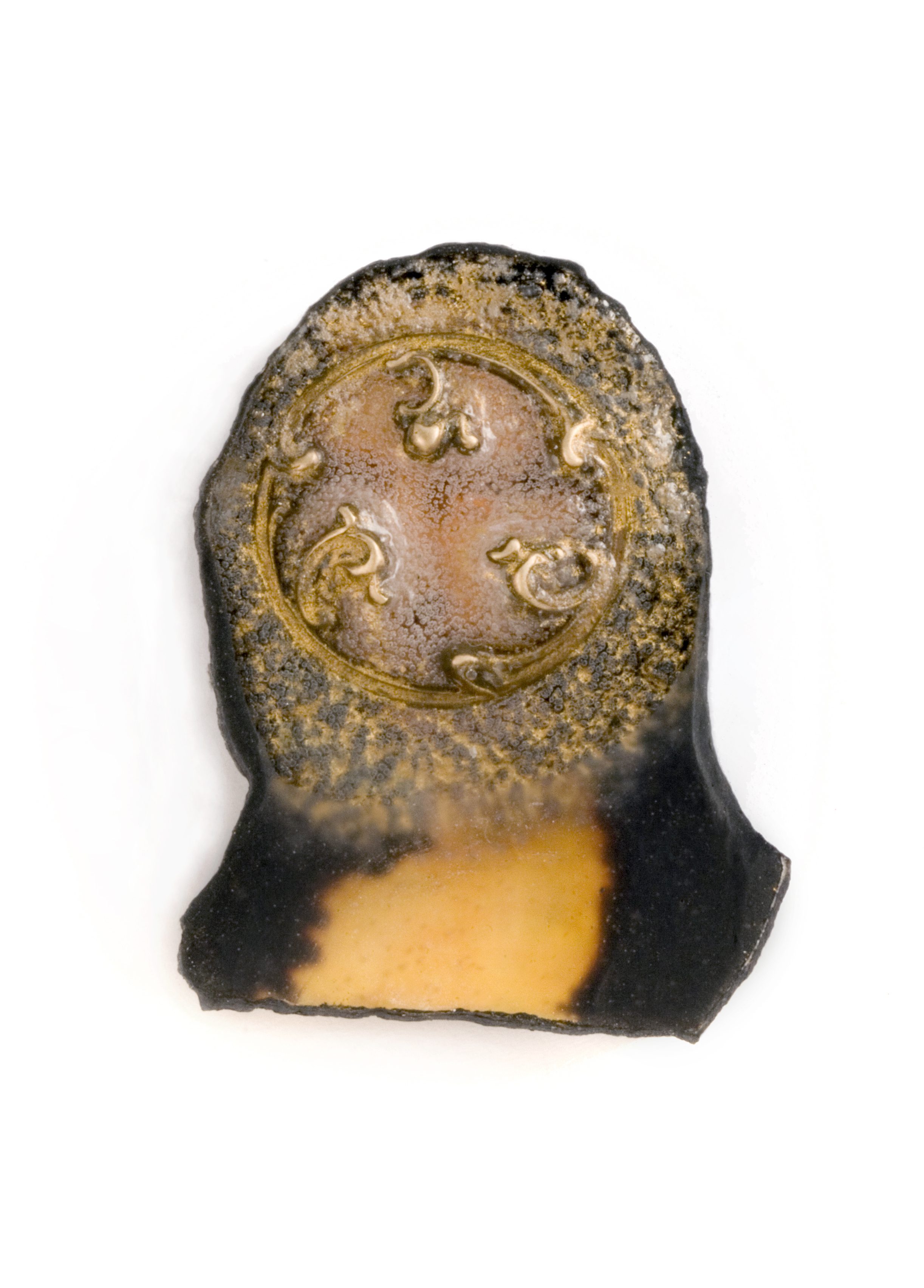
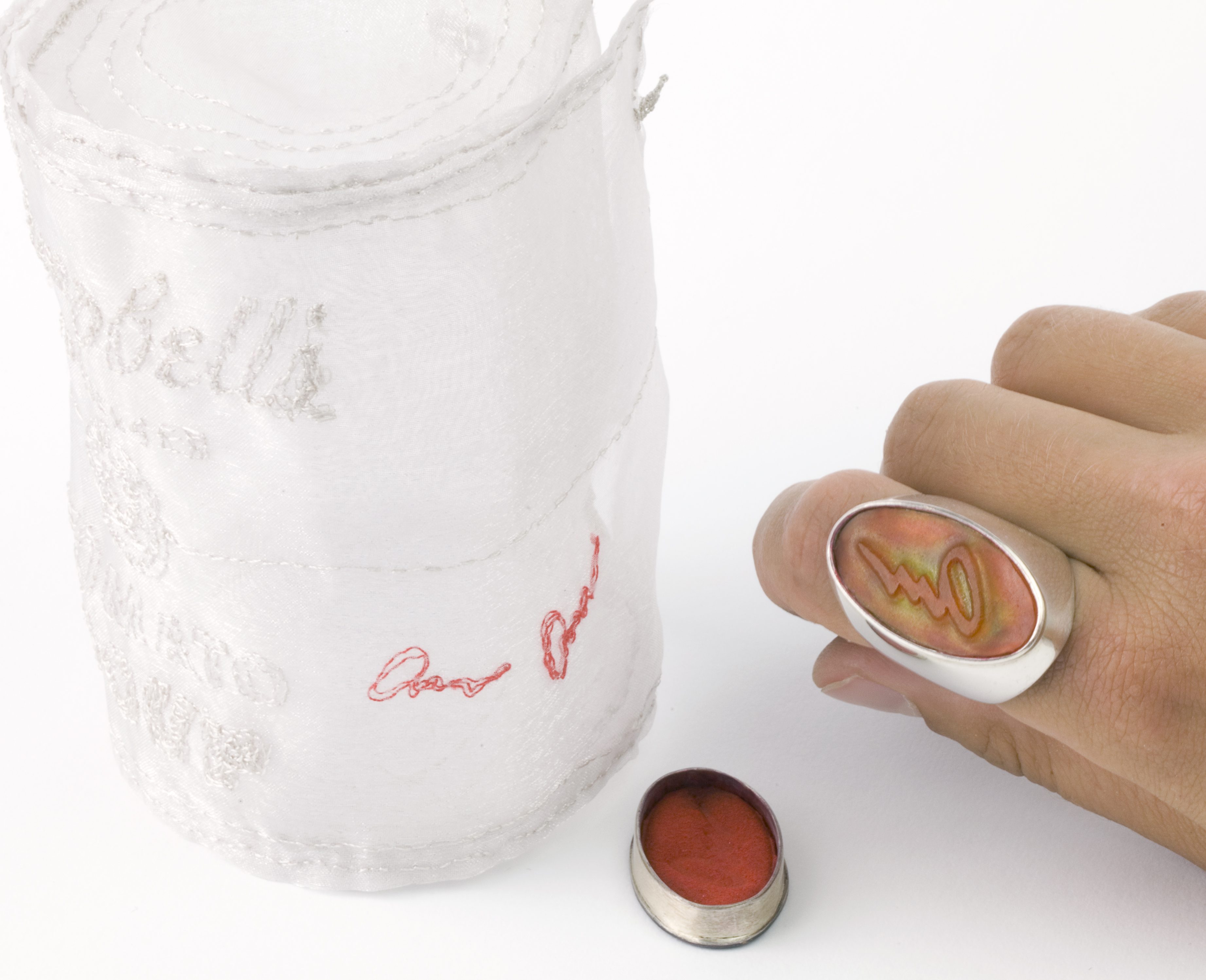
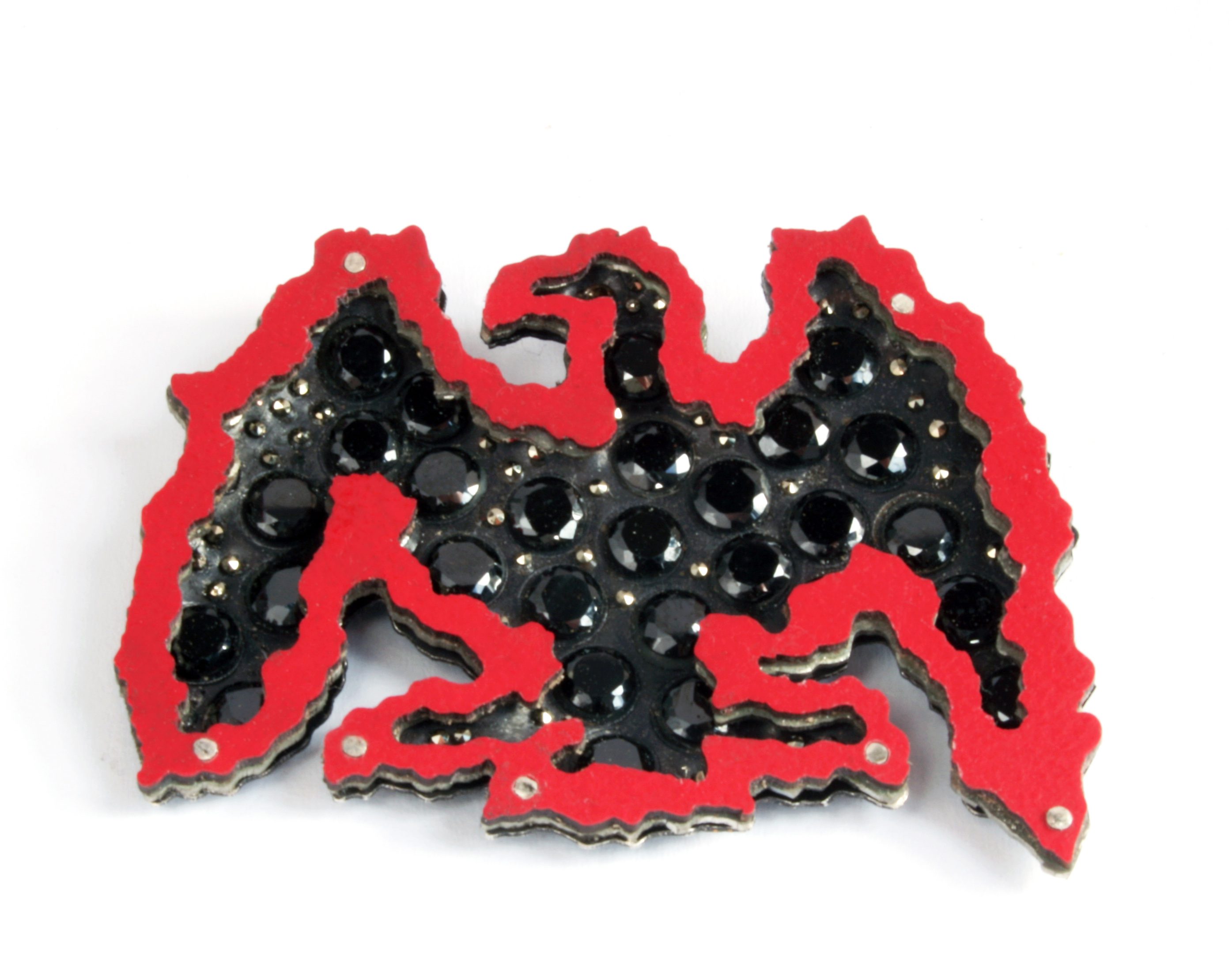
As a jewellery designer and maker, I am constantly confronted with the multifaceted nature of value. I deal with the material values found in precious metals and gemstones, as well as the intrinsic values that people attach to my creations. Each piece I design carries not just monetary worth but also the potential of personal significance for its owner.
Recently, I have increasingly used non-valuable materials and avoided those that harm the environment and people. My goal is to create value through ideas and designs that elevate monetary worth to a new level. This dual aspect of tangible and intangible value illustrates how complex and deeply rooted the concept of value is in our lives.
I prefer using discarded and invaluable materials by using my skills to add value to the point that the precious presence and the magic of jewellery can be detected.
Value often takes shape in complex, relevant, and significant ideas. I find it fascinating to explore the distinction between what is genuinely real and what is perceived as valuable or not. I enjoy merging these constructs of human beliefs and values in my jewellery work.
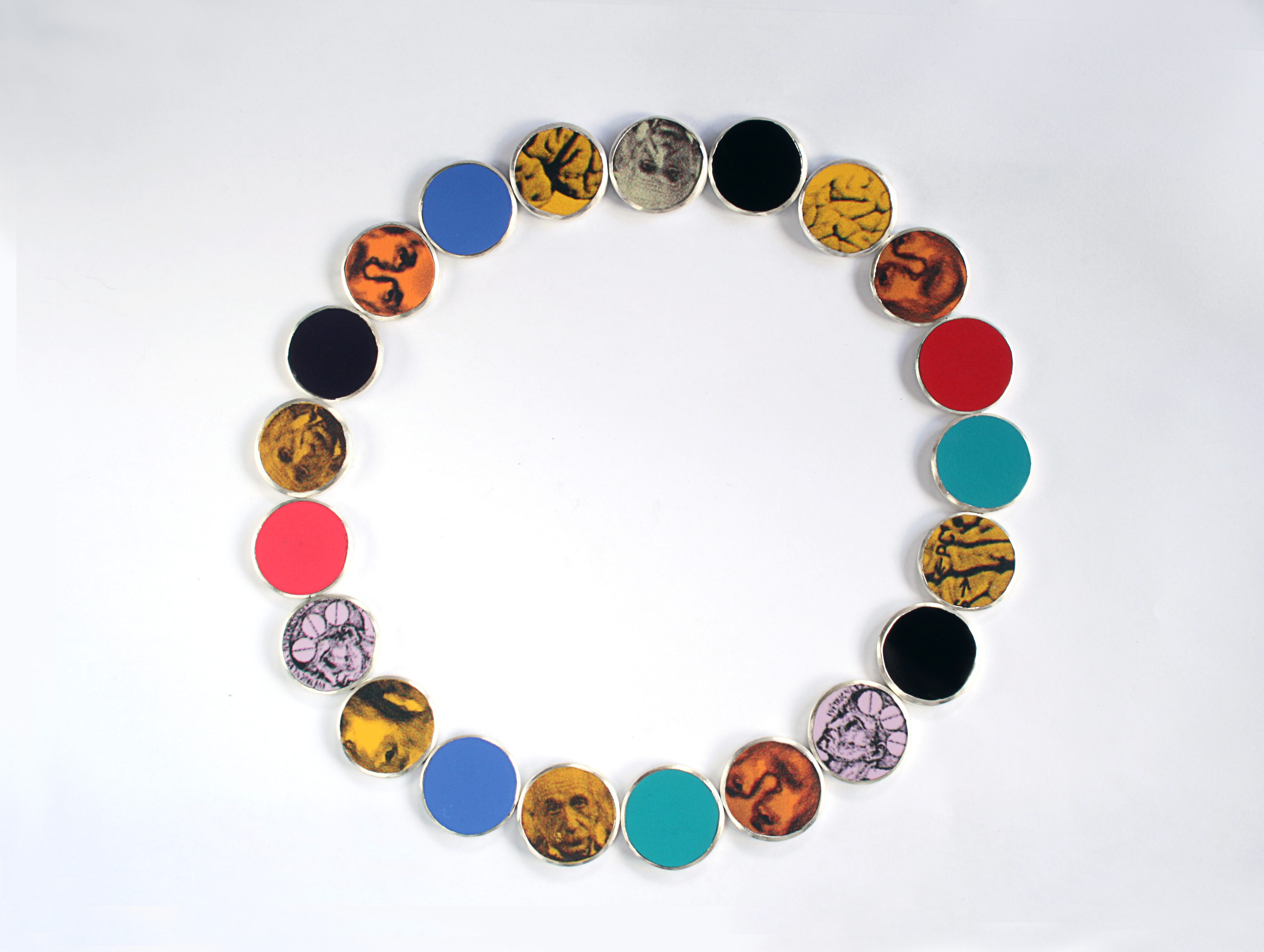
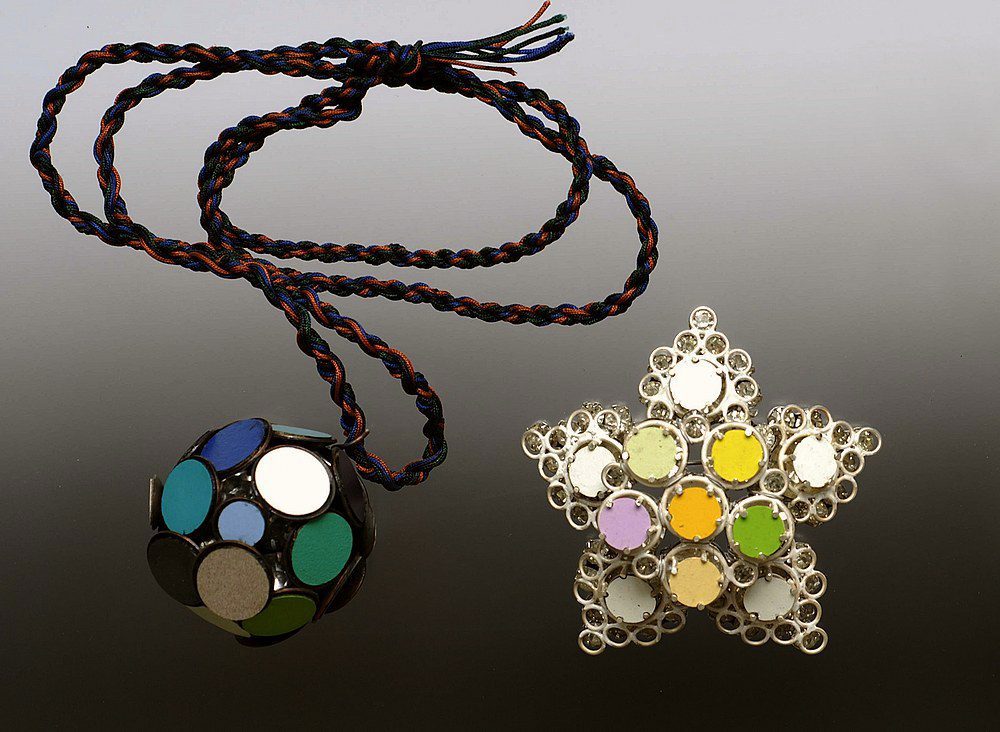
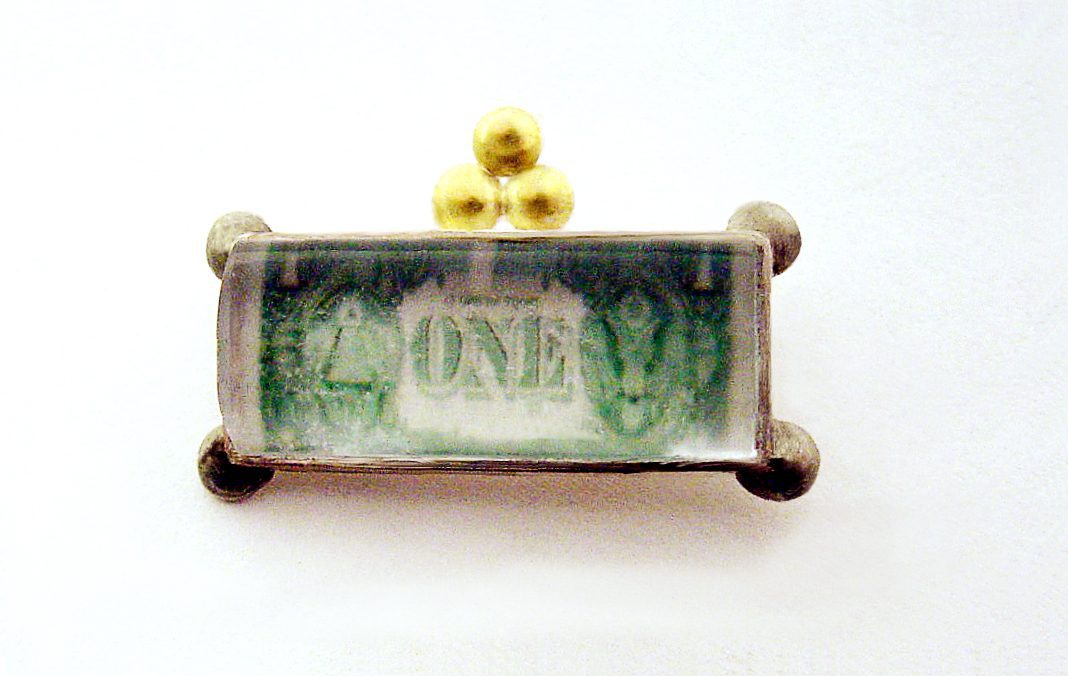
Value behaves less like an intrinsic property and more like a cognitive process shaped by biology, emotion, narrative, and collective belief.
The brain predicts reward; culture defines desirability; stories infuse meaning; identity influences preference; scarcity and utility supply a rational frame. All together, they form a feedback loop in which value is co‑constructed between minds. This helps explain why some individuals recognise value intuitively while others struggle: they are attuned to different layers of the loop. Worth is simply the point at which these layers intersect.
The concept of value is an inherent part of human nature, woven into our very DNA. This intrinsic drive encompasses both our capacity to measure and project value. Throughout history, humans have developed sophisticated methods to assess the worth of objects, ideas, and actions. This ability goes beyond understanding the tangible aspects of value, such as rarity or utility; it also includes recognising and attributing intrinsic value based on personal, cultural, historical, and spiritual contexts.
The evolution of bartering into more sophisticated systems of exchange highlights this intrinsic drive. Early humans exchanged goods and services based on mutual needs, laying the foundation for complex economic systems. As societies grew, these rudimentary exchanges evolved into agreed-upon systems of currency and trade, facilitating broader economic interactions and growth.
The creation and exchange of value are dynamic processes rooted in mutual agreement and collective acknowledgment of worth. Intellectual contributions and social interactions also hold immense value, influencing society and driving progress.
Provenance adds another layer to our understanding of value. The history of an object—who owned it and its rarity—can significantly enhance its worth. A seemingly ordinary item can become extraordinarily valuable if it has a fascinating backstory or is owned by a notable figure. For example, a handwritten letter by Albert Einstein is valued not just for its content, but for its connection to the iconic scientist. Similarly, rare artefacts and antiques gain value through their scarcity and historical significance, becoming parts of a larger narrative.
The speculative frenzy of Dutch tulip mania in the 17th century saw single tulip bulbs valued higher than houses, only to plummet in worth overnight. This illustrates the volatile nature of perceived value, highlighting the role of collective belief in creating bubbles that can dramatically inflate and deflate the value of goods.
Throughout history, the concept of intrinsic value has carried a certain mystique. This type of value is deeply rooted in personal narratives and historical contexts, making it elusive and subjective. Intrinsic value goes beyond material measures; it represents an item’s inherent worth due to its unique intangible qualities, such as memory, sentiment, inspiration, mystique, ownership, cultural significance, uniqueness, provenance, or lasting importance. The impact of objects and the hidden forces they embody often surpass our current scientific understanding.
For example, an heirloom, such as a piece of jewellery, can be irreplaceable and worth far more than its monetary value. Similarly, the Mona Lisa is valued not only for its physical components but also for its unique historical and cultural significance, including the artist who created it and the captivating smile that inspires all who view it. Banknotes fall into this category as well; the paper itself has little value compared to the agreed-upon worth. This is akin to the intrinsic value of owning a unique digital asset like Bitcoin, which holds value that extends far beyond its physical or digital components.
In addition to intrinsic factors, the manipulation of value through marketing and psychological tactics has become increasingly common. Marketers are skilled at creating a sense of need and desire for products and services that people may not have initially considered essential. By appealing to emotions, aspirations, and social pressures, marketing campaigns can artificially inflate the perceived value of an item. This can lead to phenomena such as brand loyalty, where the value of a product is enhanced by its association with a particular image or lifestyle. The practice of creating value through manipulation is evident in how advertisements often stimulate demand that may not have existed before. For example, during the 20th century, the diamond industry successfully convinced people that diamonds are a quintessential symbol of love and commitment through strategic marketing. This altered perception created a market for diamonds that had previously been relatively small. This demonstrates how perceived value can be carefully constructed and influenced, often leading to frenzies and bubbles in various markets.
Technological progress has also played a crucial role in forming new needs while rendering old ones obsolete. For instance, the advent of the car made horse-drawn carriages largely redundant, while creating a whole new set of needs related to automobiles. This shift not only transformed how people travelled but also spurred entire industries focused on manufacturing, fuel, and infrastructure. Similarly, the rise of digital technology has revolutionised communication, entertainment, finance, and even how we work, often creating needs we never knew we had. As technology advances, it continually reshapes what we consider valuable, influencing both our individual lives and broader societal structures.
Historically, personal secrets, customs, and belief systems have played a pivotal role in shaping what we value. Superstitions, religions, myths, and curses have added layers of meaning and significance to objects and practices. These belief systems often determine what is considered valuable within a community. For example, religious relics are revered not only for their material worth but also for their spiritual significance and the narratives associated with them. Myths and legends imbue certain places, objects, or symbols with sacred or cursed value, influencing how communities perceive and interact with them.
Knowledge, whether from trusted sources, gossip, propaganda, or new media with false information, instantly connects to its value acceptance among people, creating its own value bubble. This phenomenon is particularly evident in politics, where the strategic use of information shapes public perception, drives political movements, and influences policy decisions. Politicians and campaigns utilise propaganda, media, and public relations to create a sense of urgency or need, often leading to collective beliefs that can significantly impact societal dynamics. The proliferation of social media has exacerbated this issue by creating echo chambers where misinformation spreads rapidly, influencing public opinion and political outcomes.
This manipulation of information can cause damaging frenzies. These frenzies generate immense hype, leading to panic, stock market crashes, inflation, and even economic collapses. They often stem from a collective belief in the rapidly increasing value of an asset, resulting in speculative bubbles. When these bubbles burst, they cause dramatic declines in value, economic instability, and significant financial losses. The hype around certain stocks, cryptocurrencies, or other assets can lead to irrational exuberance, culminating in a crash when reality sets in.
As these systems evolved, the creation and manipulation of value began to reflect deeper societal dynamics. Value became a tool of power and control, leading to wealth accumulation and economic disparity. Those at the top often manipulated markets to maintain their status, resulting in poverty and uneven wealth distribution. This relentless pursuit of value has driven both innovation and exploitation, prioritising profit over sustainability and equity. The rise of corporate culture often emphasises profit and efficiency over ethical considerations, leading to practices that prioritise financial gain at the expense of social responsibility.
Understanding intrinsic value is crucial, as it reflects the deeper layers of human experience and belief systems, shaping how we perceive and interact with the world. This behaviour, ingrained in our social and economic structures, raises critical questions about what we truly value as a society. How do we balance growth with fairness, ensuring that the pursuit of value does not undermine the very principles that support human well-being and social justice?
As a jewellery designer and maker, I am constantly confronted with the multifaceted nature of value. I deal with the material values found in precious metals and gemstones, as well as the intrinsic values that people attach to my creations. Each piece I design carries not just monetary worth but also the potential of personal significance for its owner.
Recently, I have increasingly used non-valuable materials and avoided those that harm the environment and people. My goal is to create value through ideas and designs that elevate monetary worth to a new level. This dual aspect of tangible and intangible value illustrates how complex and deeply rooted the concept of value is in our lives.
I prefer using discarded and invaluable materials by using my skills to add value to the point that the precious presence and the magic of jewellery can be detected.
Value often takes shape in complex, relevant, and significant ideas. I find it fascinating to explore the distinction between what is genuinely real and what is perceived as valuable or not. I enjoy merging these constructs of human beliefs and values in my jewellery work.