
OBJECT POWER
Facts, Impacts, Mysteries, Unseen Energies, and Unknown Aspects
Intersections of Material Science and Hidden Forces
Personal Experience
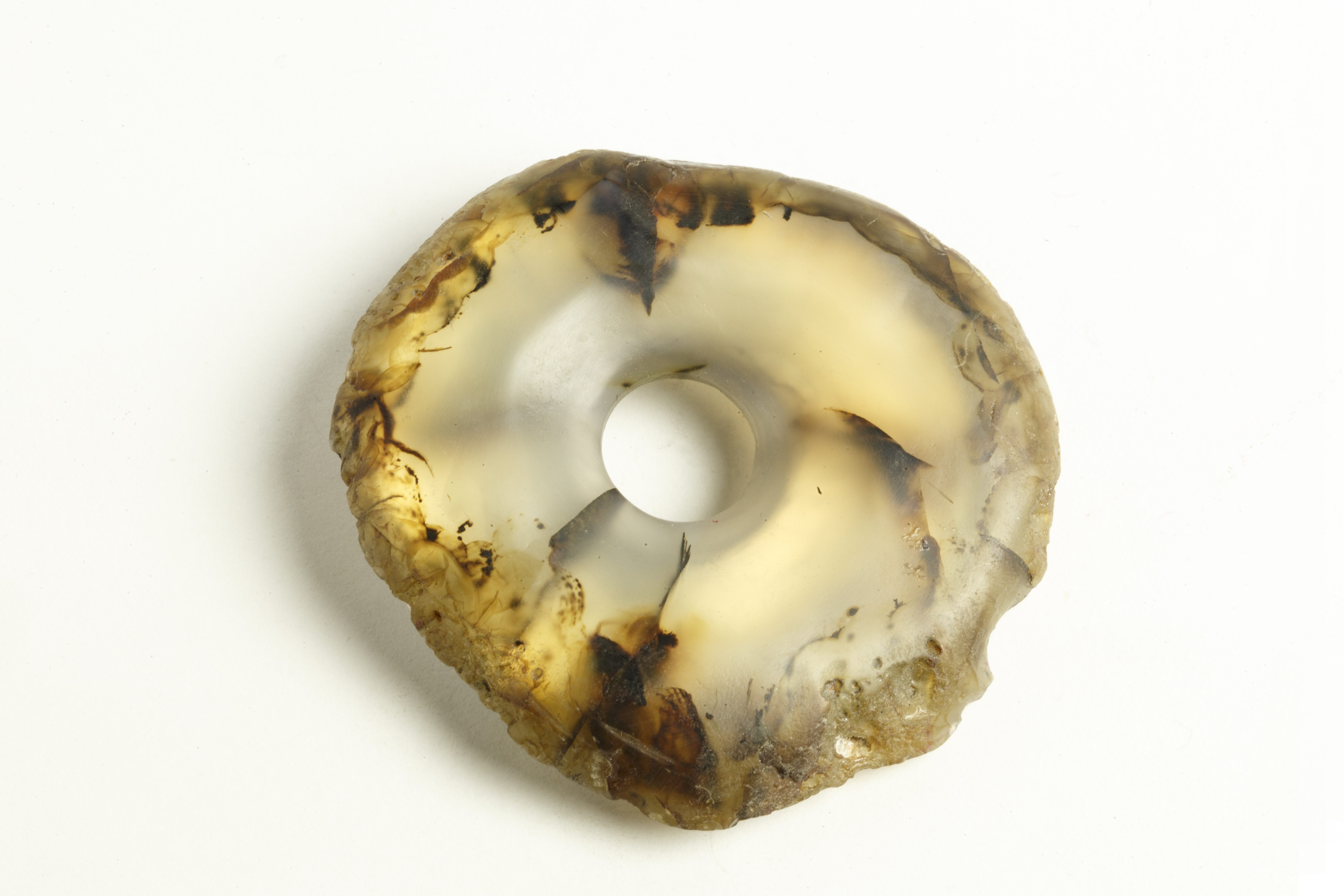
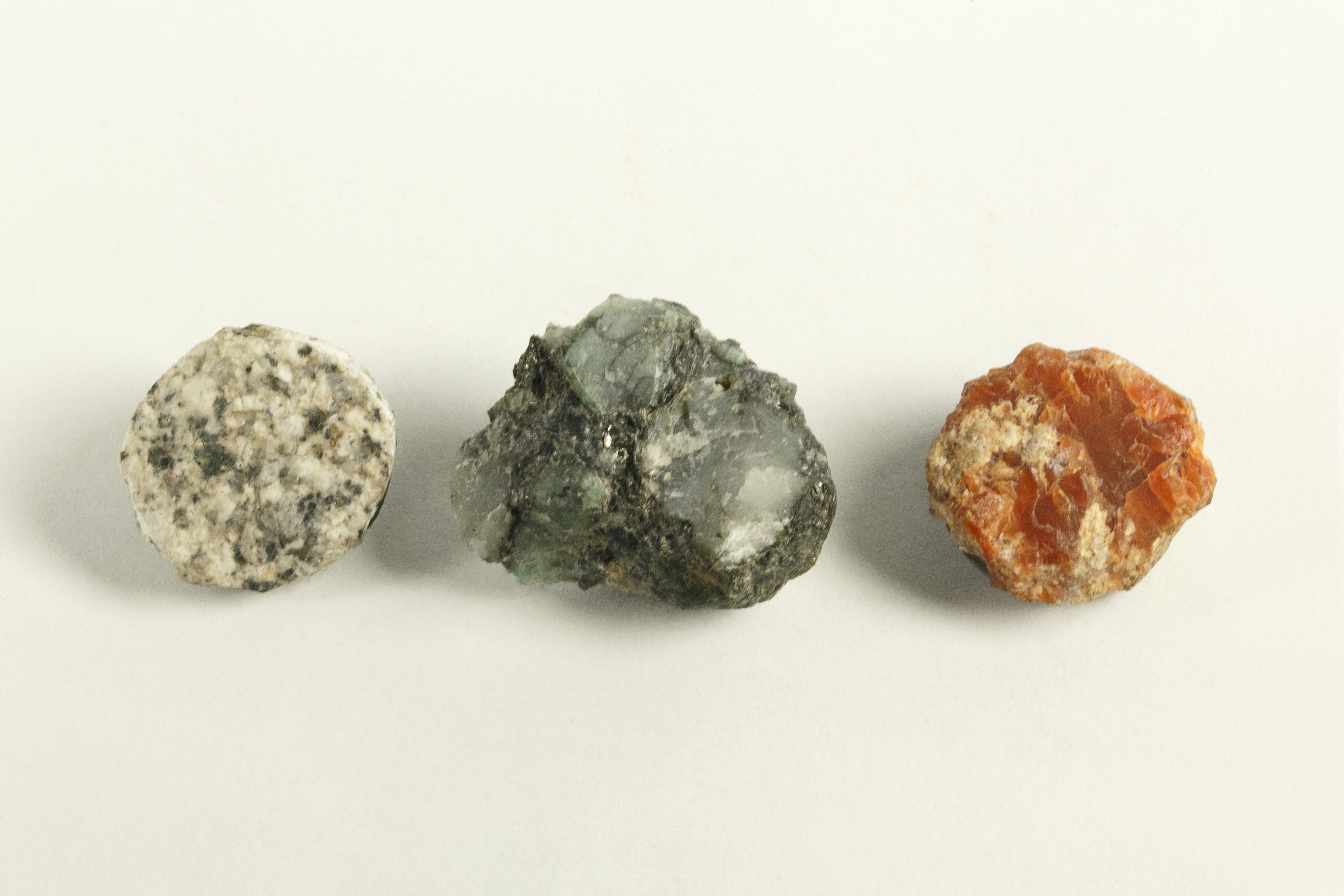
While working part-time for a mineral and stone shop in Holland, I witnessed how customers attributed transformative powers to certain stones and minerals as I crafted them into pendants, rings, and other items for their healing and protection. This practice often stems from a mysterious compendium of beliefs regarding the specific properties of each stone, reflecting a blend of mysticism and unscientific phenomena. These historical objects are thought to carry remarkable energies shaped by diverse theoretical and personal perspectives that focus on the unseen forces linked to healing, protection, and success.
The Role of Belief
Humans possess a profound capacity to absorb mysticism. Belief systems evolve as scientific discoveries shed light on the unseen and unknown. The placebo effect serves as a prime example, illustrating how belief in the power of objects can lead to real psychological and physiological changes. Extensive studies show that individuals may experience positive effects from natural stones or amulets simply because they believe in their efficacy. This phenomenon raises intriguing questions: Why does belief alone produce such tangible results, and how can it trigger measurable changes in the brain, releasing endorphins and other chemicals that mimic the effects of actual treatments?
Anthropological Evidence
Anthropologists have documented the use of ritual objects, such as masks or ceremonial tools, in various cultures, including totemism—where specific animals or objects represent clans or individuals believed to embody qualities that provide guidance or protection. These examples illustrate the deep spiritual significance attributed to objects in different cultural contexts, demonstrating that belief in their power extends beyond personal experiences.
Belief systems are profoundly shaped by perceptions, often driving individuals to extraordinary actions. The belief in a lucky charm or ritual can enhance performance in sports, while powerful symbols like flags or amulets can inspire people to engage in life-and-death battles for a cause. For instance, research in social psychology shows that symbols (like national flags) can evoke strong emotional responses, influencing group identity and behaviour. Wearing team jerseys has been shown to enhance performance in sports through increased confidence, highlighting the impact of belief on behaviour.
Historical Examples
Historically, civilisations have attributed mystical powers to objects, from ancient amulets to sacred relics, recognising their potential to influence and transform lives. Historical examples, such as relics of saints in Christianity believed to have healing powers, illustrate this. Pilgrimages to sites housing such relics have been common, with many attributing miraculous healings to their presence. In ancient Egypt, amulets were widely used for protection against evil spirits and to ensure safe passage in the afterlife, demonstrating belief in supernatural influence.
Modern Parallels
In contemporary societies, the tradition of attributing significance to objects endures. Athletes often engage in rituals or carry lucky charms, believing they will improve their performance. This behaviour evidences the belief in the power of objects—even in a modern, scientific context. Additionally, marketing studies show that consumer behaviour can be significantly influenced by the emotional and symbolic meanings attached to products, with brands often becoming representatives of identity (e.g., luxury goods as symbols of status).
The practices of Tibetan monks, such as using prayer flags to spread blessings and positive energy, illustrate how deeply rooted rituals can influence our mental and spiritual states. This interplay between belief and science is further evident in our understanding of invisible forces, such as the concept of ley lines—hypothetical alignments of ancient sites and monuments thought to represent energy lines crisscrossing the Earth. These energy intersections are often the locations of ancient temples, stone circles, and other significant structures, suggesting a widespread recognition of the Earth’s unseen energies and their influence on spiritual and physical well-being.
The Mystery of Forces
Despite advancements in science, many mysteries remain elusive. Take magnetism, for example—it draws a compass needle north—a force we can feel but still struggle to fully understand. Electrical fields, which power our world and enable communication, remain complex and mysterious in their subatomic origins. These forces remind us that, despite scientific progress, some phenomena continue to be enigmatic.
Objects, whether they are functional tools or personal keepsakes, often transcend their practical purposes. They embody unseen energies that shape our world and experiences. Dreams take us on emotional journeys, often anchored by objects of personal significance, highlighting how even mundane items can become vessels of deeper meaning.
Philosophical Insights
Gravity, a constant force that keeps us anchored to the Earth, has a quantum nature that remains intriguingly undefined. Consciousness—our awareness of existence—is one of the greatest puzzles, and its origins are largely unexplored. Objects connected to these forces, such as an apple falling from a tree or a meditation stone, transcend their basic functions and symbolise the profound mysteries of existence.
Ancient religions and philosophies, such as Buddhism and the I Ching, have long explored concepts like consciousness and interconnectedness. Buddhism emphasises mindfulness and the impermanence of material objects, teaching that awareness can transform our relationship with the physical world. The I Ching, an ancient Chinese divination text, reflects on the ever-changing nature of the universe and how objects and situations can symbolise deeper spiritual truths and understandings.
Scientific and Cultural Insights
Quantum mechanics has revolutionised our understanding of the universe, revealing a realm where conventional notions of reality are consistently challenged. Pioneering scientists like Niels Bohr and Werner Heisenberg introduced complex concepts such as entanglement, where particles remain interconnected regardless of distance, and superposition, where particles can exist in multiple states simultaneously.
The famous double-slit experiment demonstrates the bizarre behaviour of particles that exhibit both particle and wave characteristics as if they possess a secret life that defies our ordinary perceptions. Schrödinger’s cat, a thought experiment, further illustrates this quantum oddity; a cat in a sealed box with a radioactive atom can be both alive and dead at the same time until it is observed. This paradox challenges our understanding of reality, suggesting that observation plays a crucial role in determining the state of an object.
Just as quantum mechanics challenges our understanding of particles and waves, the placebo effect challenges our understanding of the mind-body connection. Both phenomena suggest that reality is far stranger than we can imagine—a place where unseen forces and hidden dimensions challenge our perceptions of what is real.
Further exploration into these unseen forces extends to research on natural versus synthetic materials. Natural objects, sourced directly from nature, possess unique properties and energies that synthetic counterparts often lack. While synthetic oils and gemstones may resemble their natural counterparts, they cannot fully replicate the unique energies and effects found in nature. This complexity and richness emphasise the unseen forces involved in their creation and use, revealing that the intricacies of these materials extend beyond their physical and chemical properties.
The Unseen Connection
Humans share unseen connections with objects, as demonstrated by studies in telepathy and empathy. Our brains, through a mechanism known as the “mirror system,” mimic the actions and emotions of others, providing a foundation for empathy. The emotional and psychological effects of objects highlight their communicative potential beyond mere physicality. Personal belongings, symbols, and insignia evoke profound emotions and memories, serving as vessels of identity and remembrance. These objects transcend their material existence, becoming extensions of ourselves.
People often sense energies, but what communicates the unseen? Cultural practices, such as Voodoo, along with objects like crosses, rosaries, Buddha statues, and prayer wheels, showcase how spiritual beliefs can imbue objects with power. The relationships people develop with these belongings emphasise their significance as extensions of identity. While current technologies cannot measure the unseen forces within these objects, evidence suggests their existence, rooted in both theory and experience. Stories of haunted items, such as a walking cane that seems to alter people’s perceptions, illustrate how belief and perception can create powerful experiences, encompassing both positive and negative energies.
Broader Implications
Ultimately, the power of objects—shaped by scientific theories, cultural practices, beliefs, and personal experiences—demonstrates the intricate, often unseen forces influencing our world. These forces challenge our understanding and invite exploration of the profound mysteries they embody, revealing the potential to reshape our perception of reality in enlightened ways. Just as rainbows were once seen as mystical omens until science unveiled their true nature as a phenomenon of light refraction and reflection, our understanding of objects may similarly evolve. This ongoing journey, which bridges historical reverence with modern discovery, reflects the enduring and transformative nature of objects in our lives. By transcending their functional and aesthetic purposes, objects become conduits of deeper meaning and connection, influencing our lives in significant and sometimes inexplicable ways.
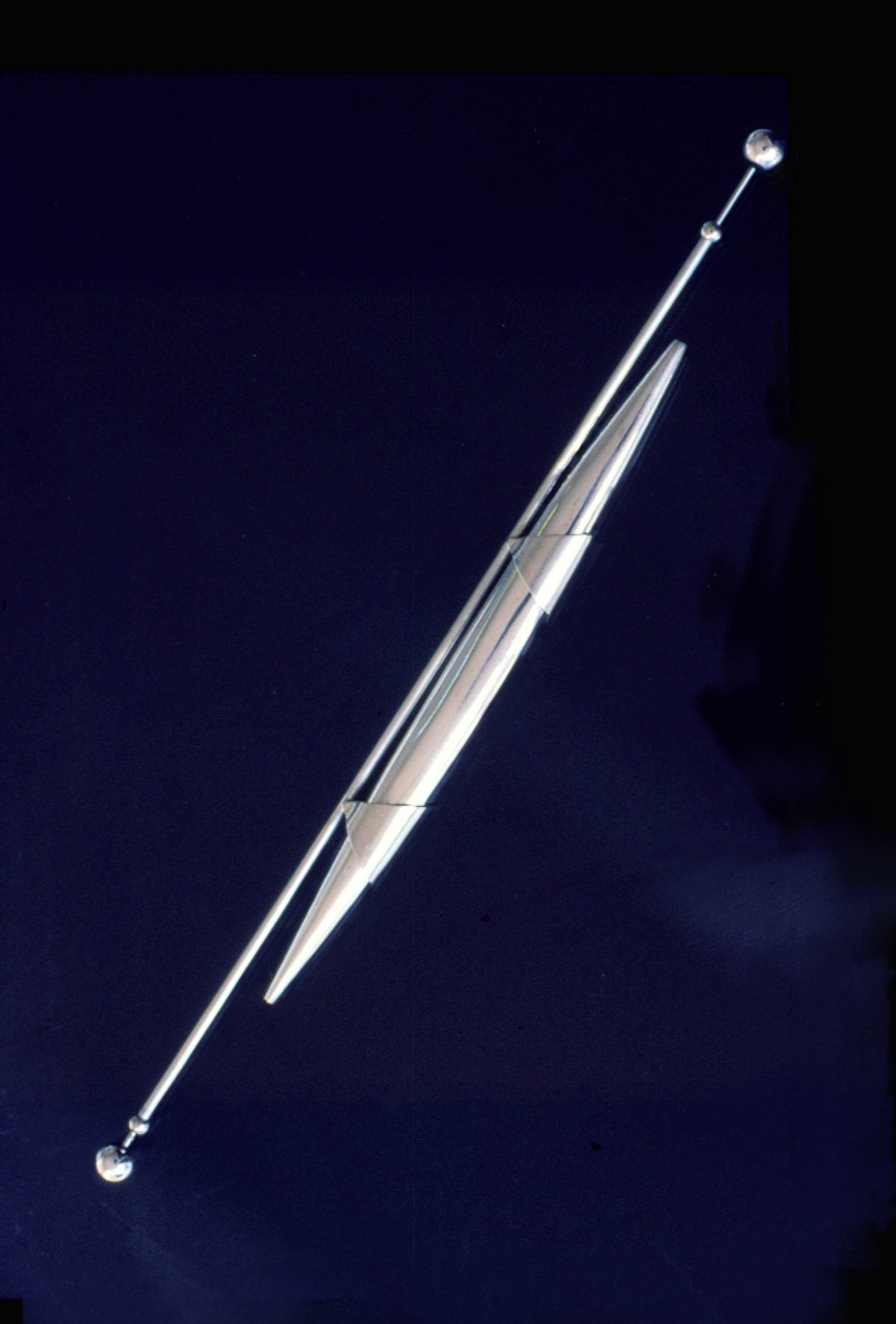
Word-Leaders Trust, 1988, lapel-pin, st silver
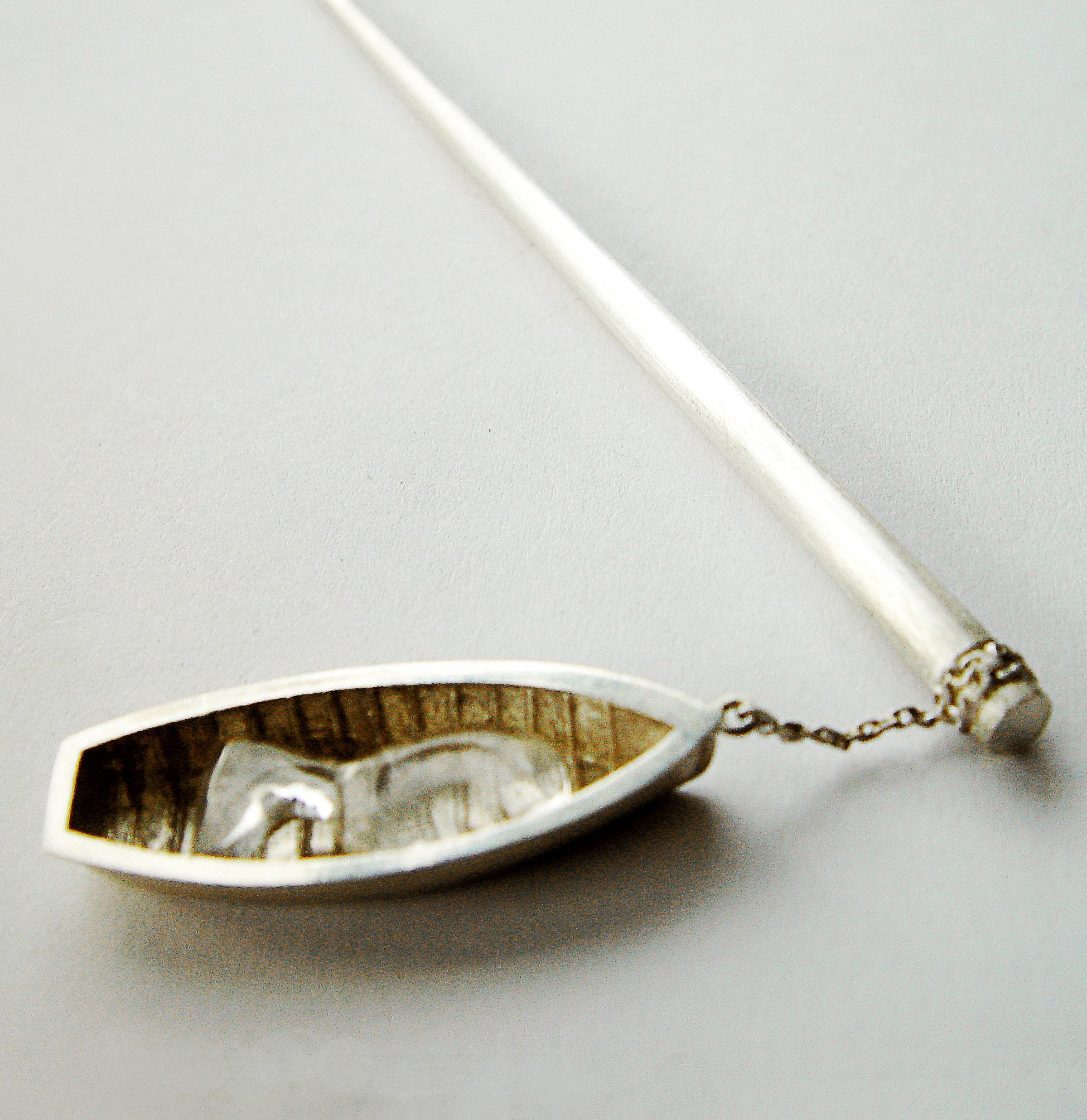
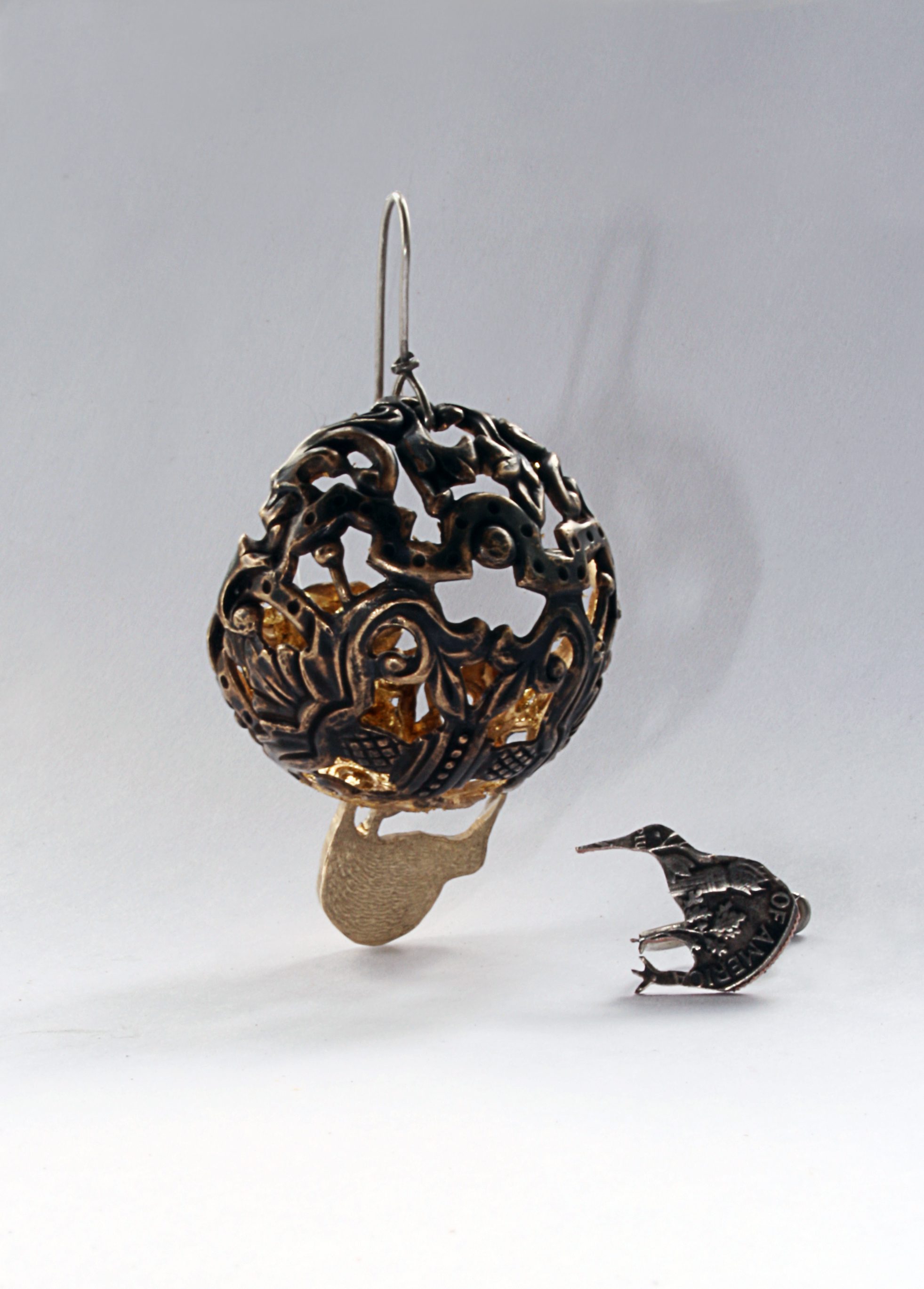
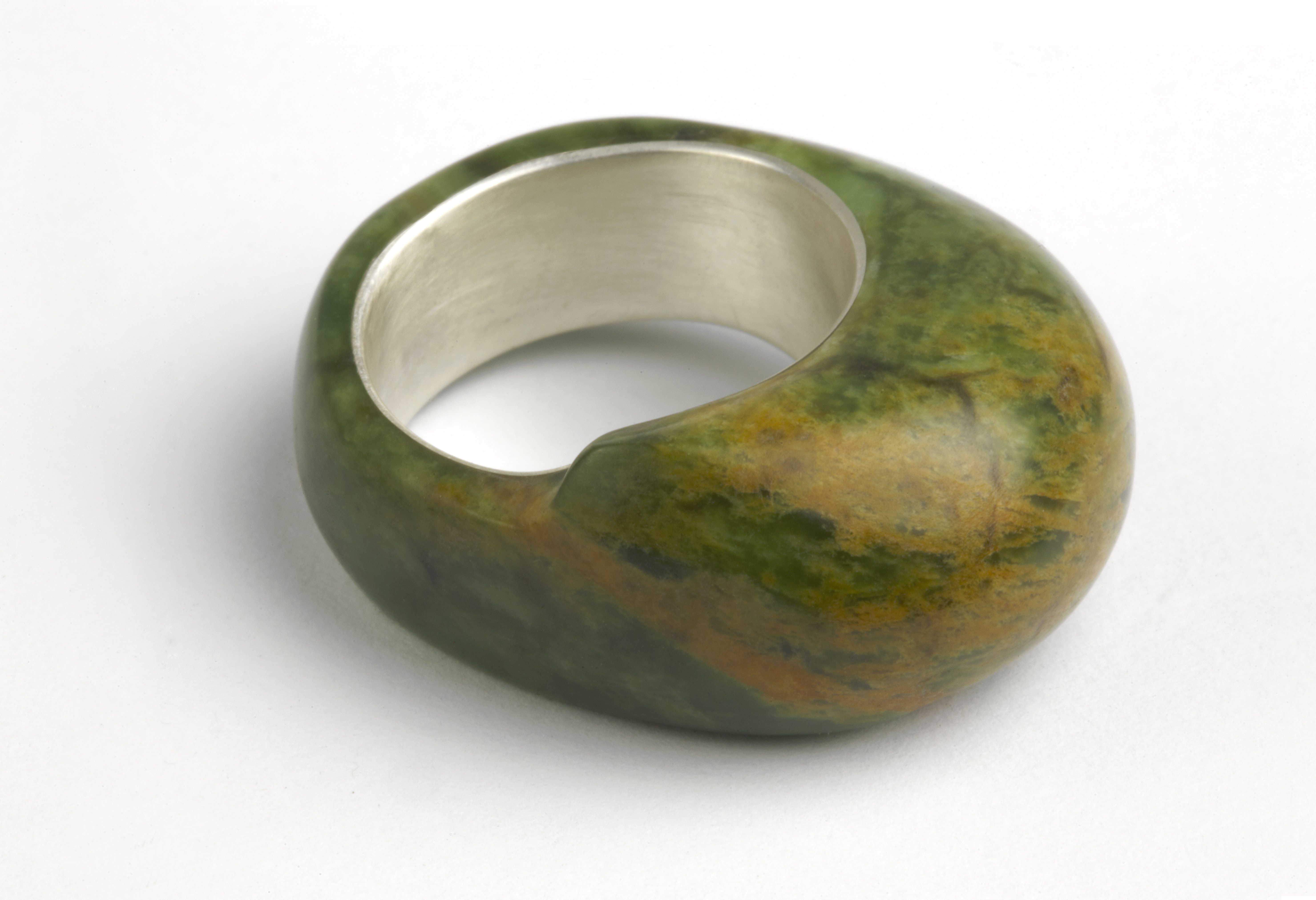
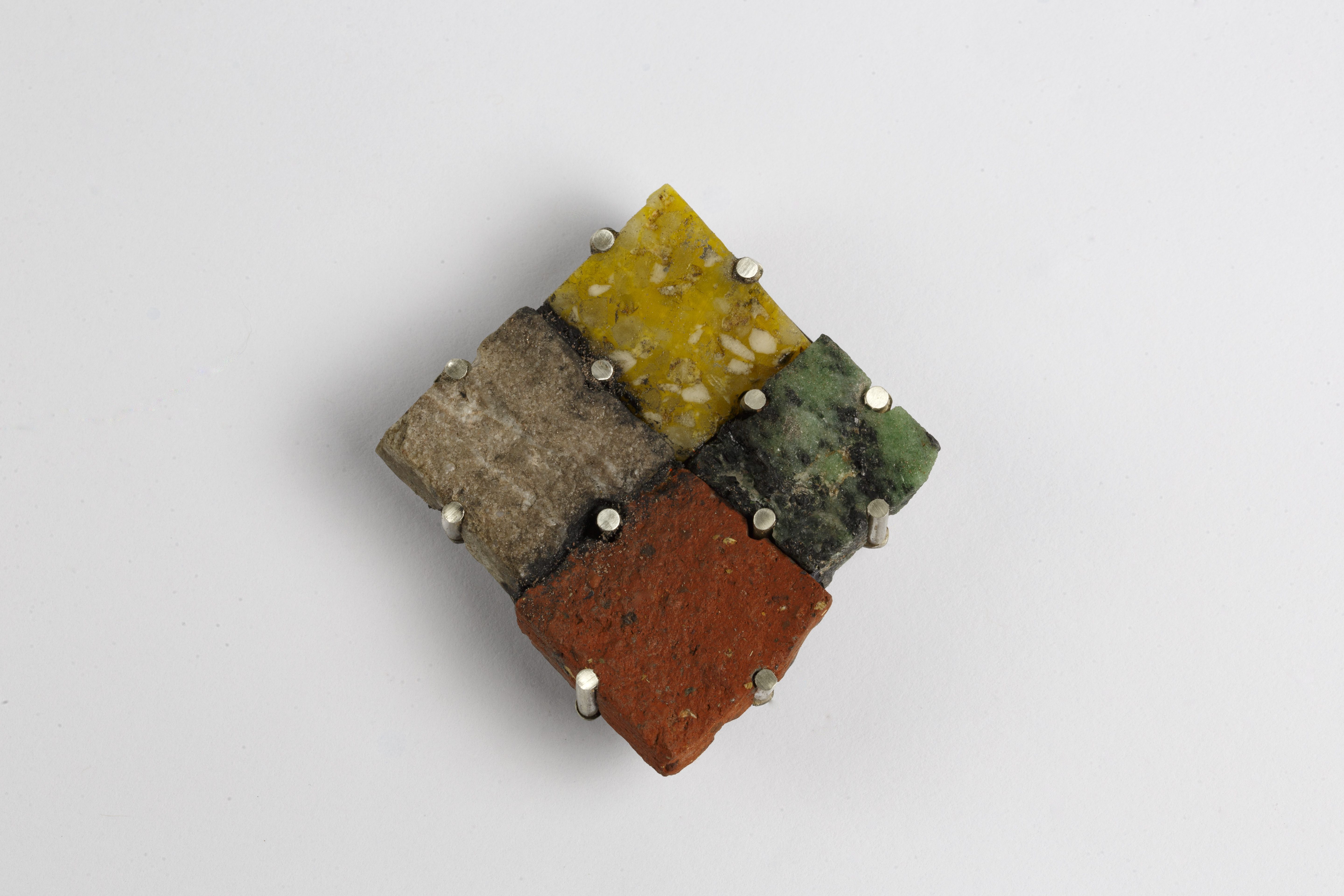
Across millions of years, evolution has shaped the brain, the body, memory, culture, and the interior life we call the soul.
It is this long inheritance that gives objects their power, not any measurable physical energy within them.
Through this inheritance, humans have developed feedback loops between perception, emotion, and expectation that allow objects to become anchors for significance. When we encounter an object repeatedly in a meaningful context — emotional, social, ritual, or symbolic — the brain links it to a specific internal state. Neuroscience refers to this as associative binding: the process by which neutral stimuli become charged with meaning through repeated pairing with emotions, rewards, or threats.
Once this association forms, the brain begins predicting the same internal state whenever the object appears. This prediction strengthens the loop: the object triggers the expectation, the expectation shapes the perception, and the perception reinforces the belief. Over time, the object becomes a stable anchor for the loop — a physical point where memory, emotion, identity, and cultural meaning converge. This is how a tool becomes a talisman, a relic becomes sacred, a stone becomes healing, or a flag becomes a symbol worth dying for.
And yet, even with this cognitive mechanism in place, questions remain. Why do some objects seem to “do” things? Why does a clock stop at the moment someone dies? Why does a particular stone create a sense of focus or convergence? Why can a flag summon bravery, unity, or even violence? Why does a ring feel protective, or a photograph feel alive? These experiences are not easily reduced to chemistry or physics. They point to the way objects participate in our inner loops — how they trigger memories, emotions, identities, and expectations so powerfully that they seem to act in the world. Whether these effects arise from psychology, culture, or something still unknown, they reveal how deeply objects are woven into the feedback loops that shape human experience.
Civilisations have historically attributed mystical powers to various objects, from ancient amulets to sacred relics, recognising hidden energies and potential to influence and transform lives.
Personal Experience
While working in my workshop for a mineral and stone shop in Holland, I witnessed how customers attributed transformative powers to certain stones and minerals as I crafted them into pendants, rings, and other items for their healing and protection. This practice often stems from a mysterious compendium of beliefs regarding the specific properties of each stone, reflecting a blend of mysticism and unscientific phenomena. These historical objects are thought to carry remarkable energies, shaped by diverse theoretical and personal perspectives that focus on the unseen forces linked to healing, protection, and success.
Belief systems evolve as scientific discoveries shed light on the unseen and unknown. The placebo effect, a proven psychological phenomenon, illustrates how belief in the power of medicines and objects can lead to real psychological and physiological changes. Studies show that individuals may experience positive effects from natural stones or amulets simply because they believe in their efficacy. This phenomenon raises intriguing questions about how belief alone can trigger measurable changes in the brain, releasing endorphins and other chemicals that mimic actual treatments.
Anthropological Mysteries
Anthropologists have recorded how different cultures use ritual objects, such as masks and ceremonial tools. One example is totemism, where certain animals or objects represent clans or individuals believed to offer guidance or protection. These practices show that objects hold deep spiritual meaning in many cultures and that people believe in their power beyond personal experience.
Civilisations have historically assigned mystical powers to objects, from ancient amulets to sacred relics. For example, Christians believe that relics of saints have healing powers, and many make pilgrimages to these relics, hoping for miraculous healing. In ancient Egypt, amulets were used to protect against evil spirits and ensure safe passage in the afterlife, reflecting a belief in supernatural forces.
Ancient religions and philosophies, such as Buddhism and the I Ching, discuss concepts of consciousness and interconnectedness. Buddhism teaches mindfulness and the idea that material objects are temporary, highlighting how awareness can change our relationship with the physical world. The I Ching, an ancient Chinese text for divination, reflects on the changing nature of the universe, demonstrating that objects and situations can represent deeper spiritual truths.
Tibetan monks use prayer flags and wheels to spread blessings and positive energies, illustrating how traditional rituals can positively influence mental and spiritual health. The connection between belief and science is evident in concepts like ley lines, which are imagined alignments of ancient sites thought to represent energy crossings on Earth. Many ancient temples and stone circles are situated at these intersections, suggesting that people have long recognised unseen forces in nature and their potential impact on well-being. Despite significant scientific advancements in the past 2,000 years, many mysteries remain. For instance, while we know that magnetism pulls a compass needle north, we don’t fully understand how it works. Similarly, birds navigate using gravity and magnetic fields encoded in their DNA, but the complete mechanism remains unclear. These examples remind us that not everything can be fully explained by current scientific understanding.
Modern Parallels and Cultural Insights
People’s perceptions shape their beliefs and can inspire them to achieve remarkable feats. Believing in a lucky charm or ritual can enhance a person’s sports performance. Strong symbols, such as flags or amulets, can motivate individuals to fight for a cause. Research indicates that symbols like national flags and native languages can evoke strong emotions and influence group identity and behaviour. Wearing team jerseys can boost sports performance by increasing confidence, highlighting how belief affects actions. This shows that even today, people believe in the power of objects. Marketing studies reveal that emotions and symbols related to products strongly influence consumer behaviour, with brands becoming symbols of identity and luxury items representing status.
Gravity keeps us grounded to the Earth, yet its quantum nature remains undefined. Similarly, consciousness—our awareness of existence—is a major mystery still largely unexplored. Objects related to these forces, like a falling apple or a meditation stone, symbolise deeper mysteries of life.
Scientific Revelations
The impact of objects and the hidden forces they carry often transcend our current scientific understanding. While many discoveries, such as electricity, vaccines, antibiotics, and microprocessors, have profoundly changed history, many mysteries remain unsolved.
Albert Einstein’s special theory of relativity states that nothing can travel faster than the speed of light in a vacuum. Speculative concepts in theoretical physics, such as the Alcubierre drive, involve creating a “warp bubble” to allow a spacecraft to travel faster than light by contracting space in front of it and expanding space behind it. While intriguing, this idea remains highly theoretical and is one of many examples of how science is still grappling with understanding the hidden forces of the universe. Quantum mechanics has revolutionised our perception of reality. Concepts like entanglement and superposition challenge conventional views, as illustrated by the double-slit experiment and Schrödinger’s cat thought experiment. These paradoxes show that observation can influence an object’s state, revealing the complexity of unseen forces.
Despite advancements, many mysteries persist. For example, we know magnetism directs a compass needle north, but we don’t fully understand the mechanism. Similarly, birds navigate using gravity and magnetic fields encoded in their DNA, but the full process is unclear. These examples remind us that science has yet to explain everything.
Objects, whether tools or keepsakes, often hold meanings beyond their practical uses, carrying unseen energies that shape our experiences. Dreams often connect us emotionally to important items, showing how everyday objects can have deeper meanings. Theories like quantum mechanics and string theory bring us closer to understanding these hidden forces, but much remains to be discovered.
Scientific advancements reveal that reality is far stranger than we can imagine. The placebo effect, for instance, challenges our understanding of the mind-body connection. Both quantum mechanics and the placebo effect suggest that unseen forces and dimensions shape our perceptions of reality.
Natural objects, sourced directly from nature, possess unique properties and energies that synthetic counterparts often lack. While synthetic oils and gemstones may resemble natural ones, they cannot fully replicate their unique energies and effects. This highlights the unseen forces involved in their creation and use, extending beyond their physical and chemical properties.
Humans share unseen connections with objects, as demonstrated by studies in telepathy and empathy. Our brains, through the “mirror system,” mimic others’ actions and emotions, forming the basis for empathy. The emotional effects of objects highlight their communicative potential beyond mere physicality. Personal belongings, symbols, and insignia evoke profound emotions and memories, serving as vessels of identity and remembrance. These objects transcend their material existence, becoming extensions or mirrors of ourselves.
Cultural practices, such as Voodoo, and objects like crosses, rosaries, Buddha statues, and prayer wheels, show how spiritual beliefs imbue objects with power. Relationships with these belongings emphasise their significance as extensions of identity. While current technologies cannot measure the unseen forces within these objects, evidence suggests their existence, rooted in both theory and experience. Stories of haunted items illustrate how belief and perception create powerful experiences, encompassing both positive and negative energies.
Ultimately, the power of objects—shaped by scientific theories, cultural practices, beliefs, and personal experiences—demonstrates the intricate, often unseen forces influencing our world. This journey bridges historical reverence with modern discovery, reflecting the enduring and transformative nature of objects in our lives. By transcending their functional and aesthetic purposes, objects become conduits of deeper meaning and connection, influencing our lives in significant and sometimes inexplicable ways.