
PETER DECKERS: Material Explorations Between Worlds
PETER DECKERS: Material Explorations Between Worlds
I make work that emerges from the friction between intention and material explorations, where surprises arise through ways of making that reveal the hidden, unsettle assumptions, and open new ways of seeing.
Themes of Origins, Perception, Environment and Conflict, reshaping each project in different ways. I follow these returns as they shift the work, testing how value, story, and meaning form in the moment — allowing something ancient or intuitive to rise through the act of making.
This becomes what I call a ‘no‑style‑style’: a practice shaped by the contexts of our time and the quiet intelligence of materials. It is a way of thinking through matter, memory, and the shifting conditions of the world around us — a loop of opening, seeing, and re-seeing.
Four Threads that keep on reappearing:
ORIGINS
1: ORIGINS
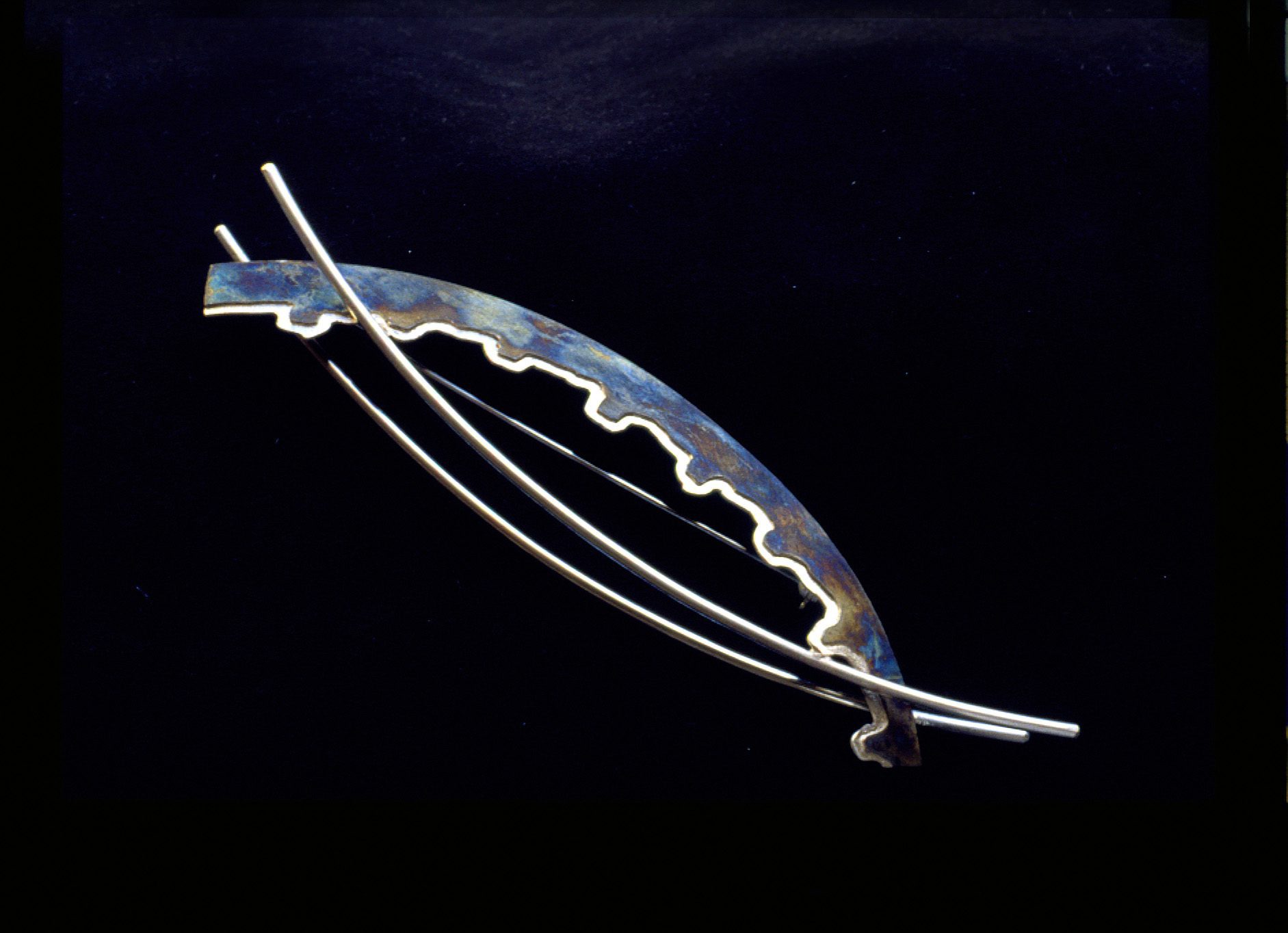


I immigrated to Aotearoa New Zealand in the mid‑1980s, driven by growing environmental concerns and the looming threat of cruise missile deployments in Europe. The tensions in my homeland pushed me to seek a place that valued sustainability and peace. Arriving in Aotearoa, I was struck by the country’s deep engagement with its heritage. The Māori Renaissance — a powerful revival of Māori identity, language, and traditions — reshaped the nation’s understanding of belonging.
Witnessing this movement changed me. It invited me to support its efforts, but it also quietly asked a harder question: What are my origins, and why have I never looked back. In a Western upbringing, origins are often obscured or treated as irrelevant. Yet here, whakapapa was alive, visible, and formative. That contrast opened a loop I am still navigating — a return to identity, purpose, and the fragments of history I carry.
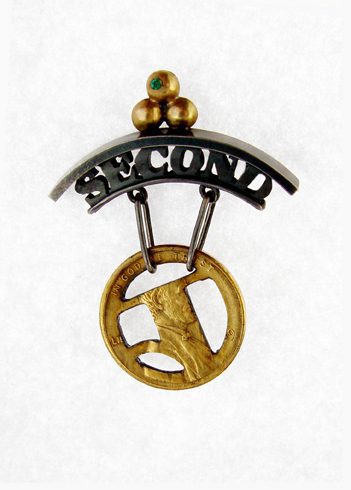
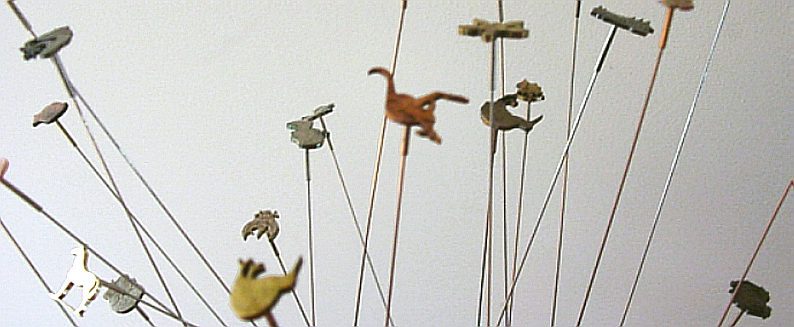
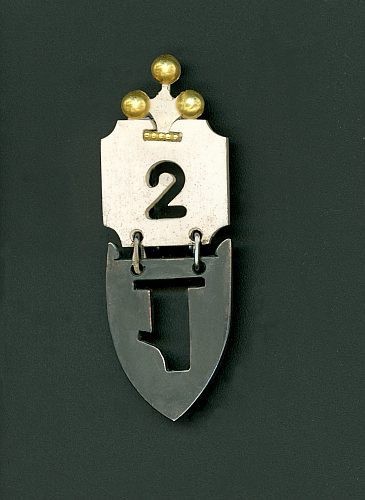
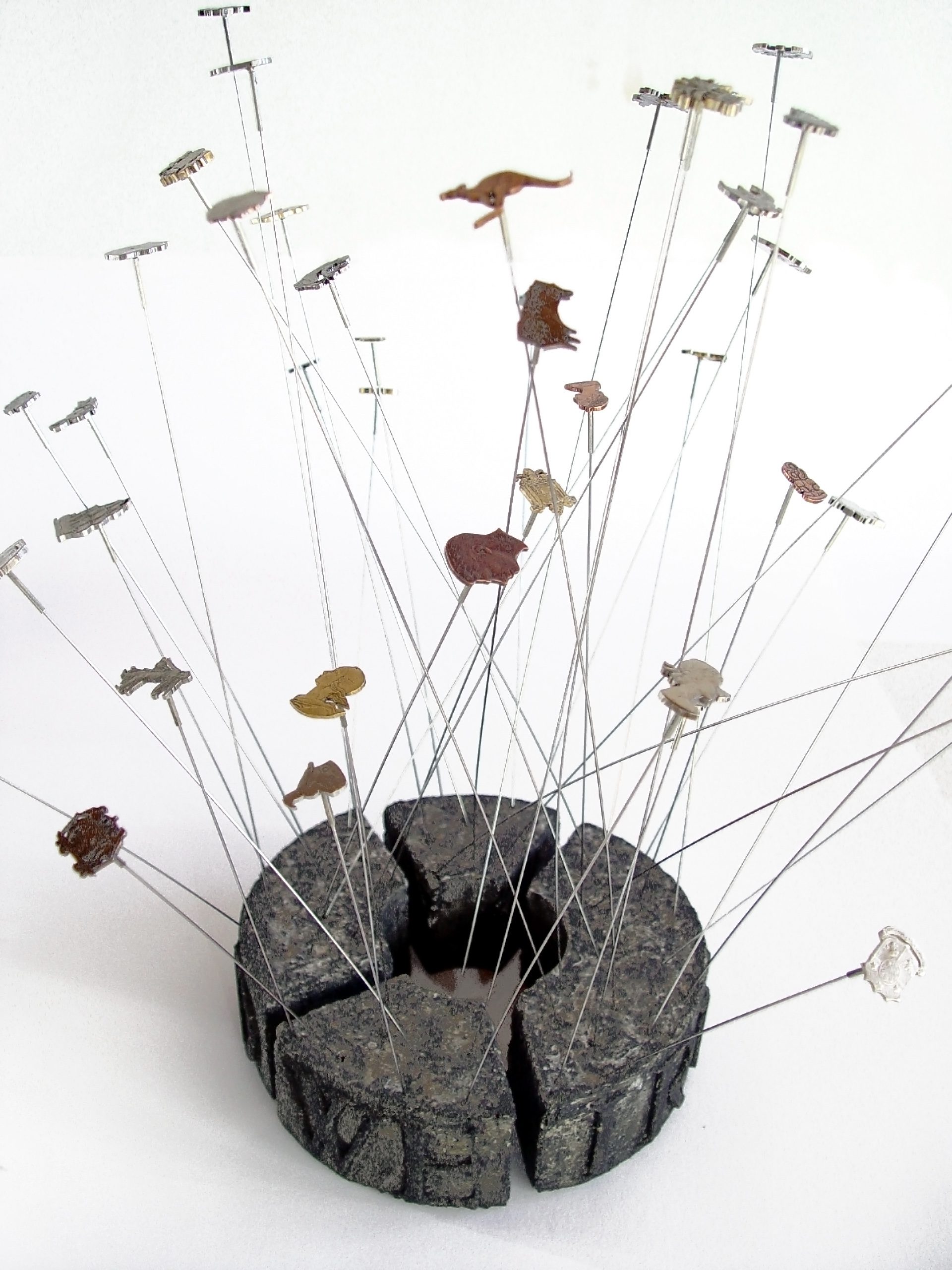
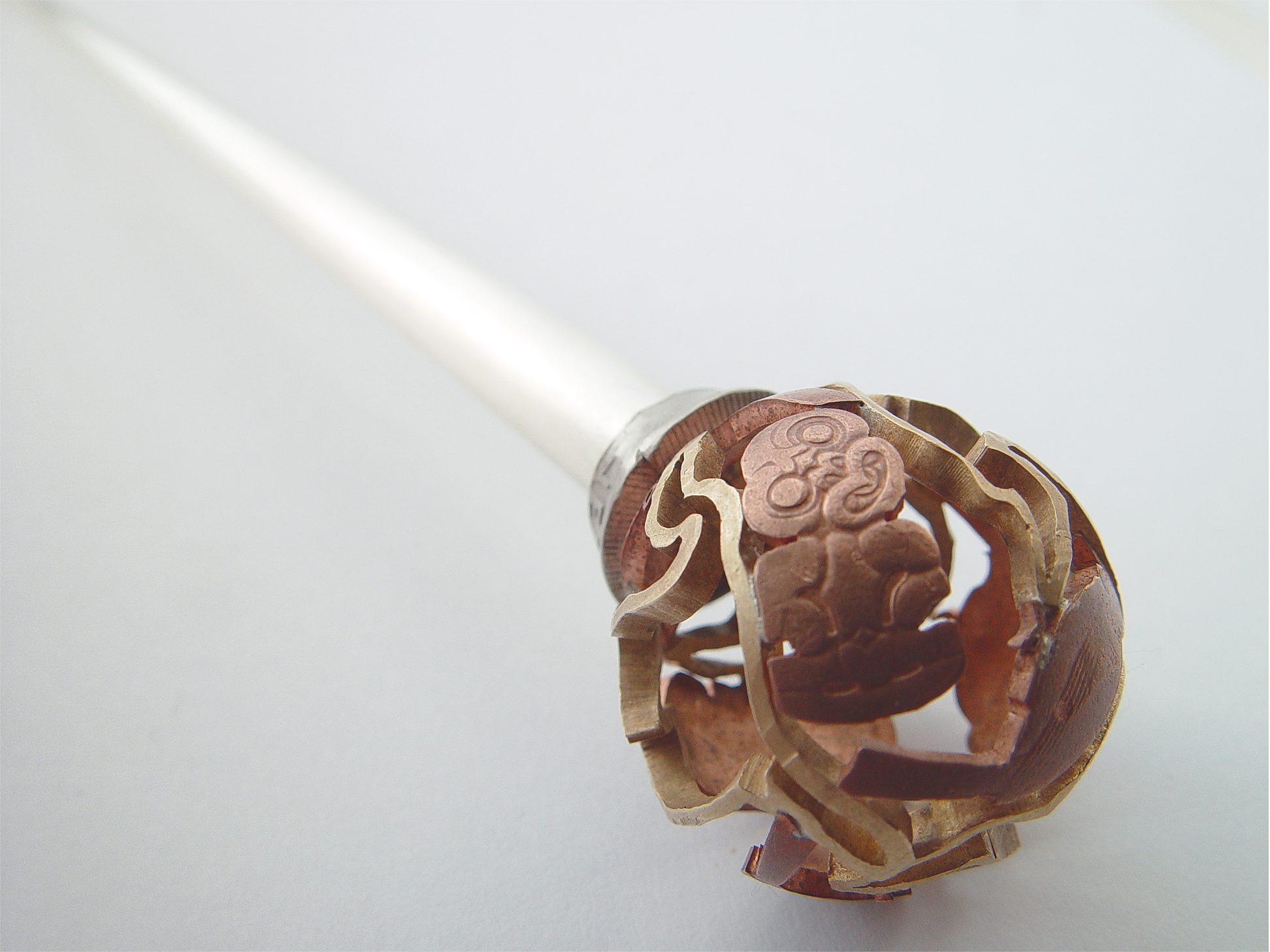
This return shaped the project Greetings from Māori-Land, a sound and object installation exploring identity, adaptation, and displacement. Shadows cast by brooches — each one cut from the profile of an interviewed immigrant — mark te presence of those who arrive in Aotearoa with accents, customs, and quiet dislocations. The shadows become a kind of second self: a reminder of what is carried, what is lost, and what is reshaped in the act of belonging.
The project balances inspiration and respect, reflecting on the delicate interplay between adaptation and loss. Through shadows, sounds, and objects, it invites viewers to consider how identities shift at cultural crossroads — how origins are not fixed points but moving fields.
As an immigrant and
art tutor, I have guided others in expressing their cultural narratives, encouraging them to reflect on their own journeys of identity. These conversations revealed how origins behave: they surface unexpectedly, withdraw, return in altered form, and shape us long before we recognise their influence.
The installation Cyclic Solitaire extends this exploration. It reflects on the impermanence of life and the transient shadows we cast on our existence. Through the interplay of light and shadow, it evokes the cyclical balance between presence and absence, emergence and dissolution. Each solitary figure becomes part of a larger continuum, suggesting that even fleeting lives leave enduring traces. The work invites reflection on cycles of identity, growth, and renewal — guiding viewers to consider their place within the rhythms of life and death, and the profound connection between origins and endings.
2: PERCEPTION
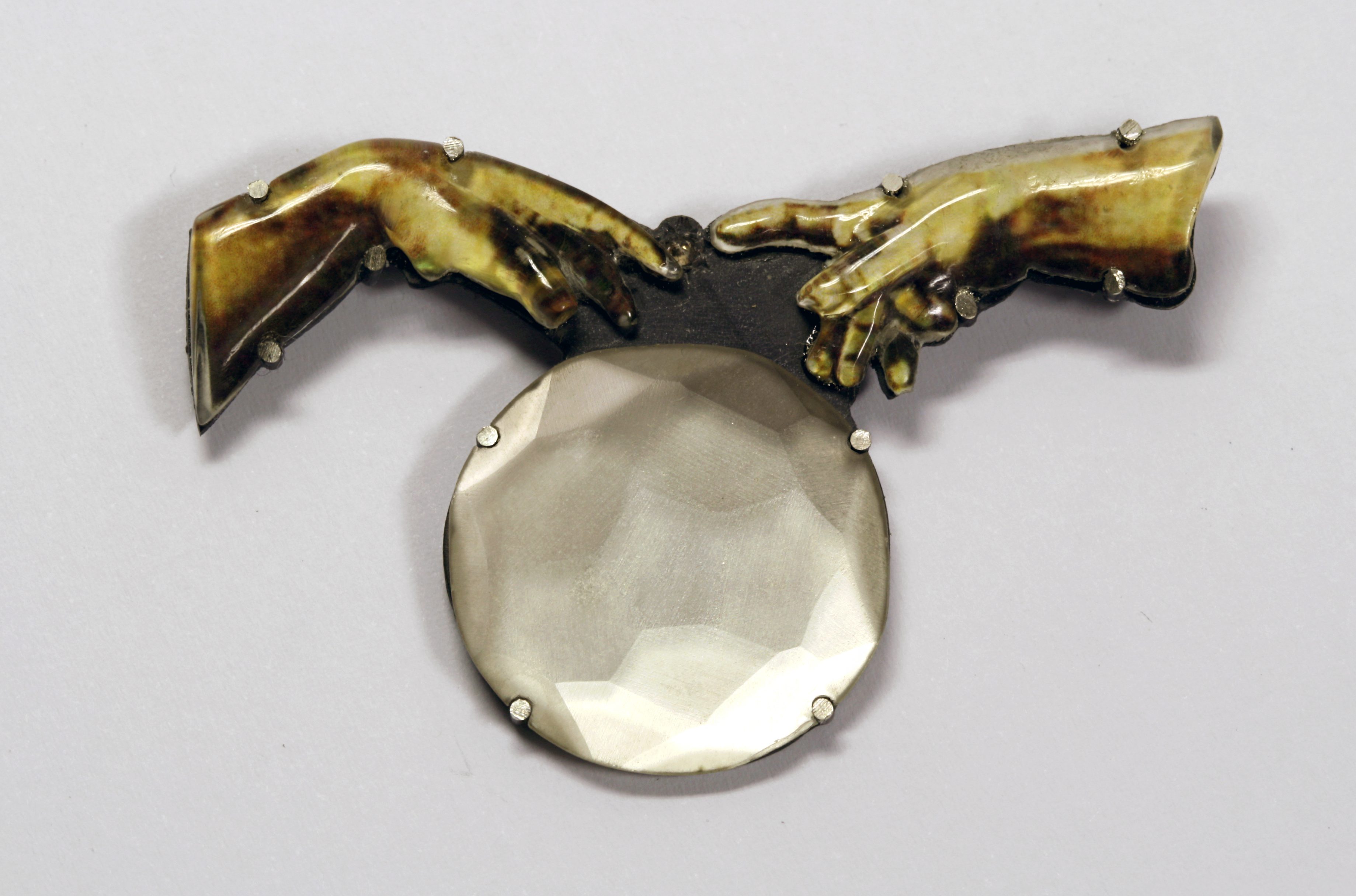


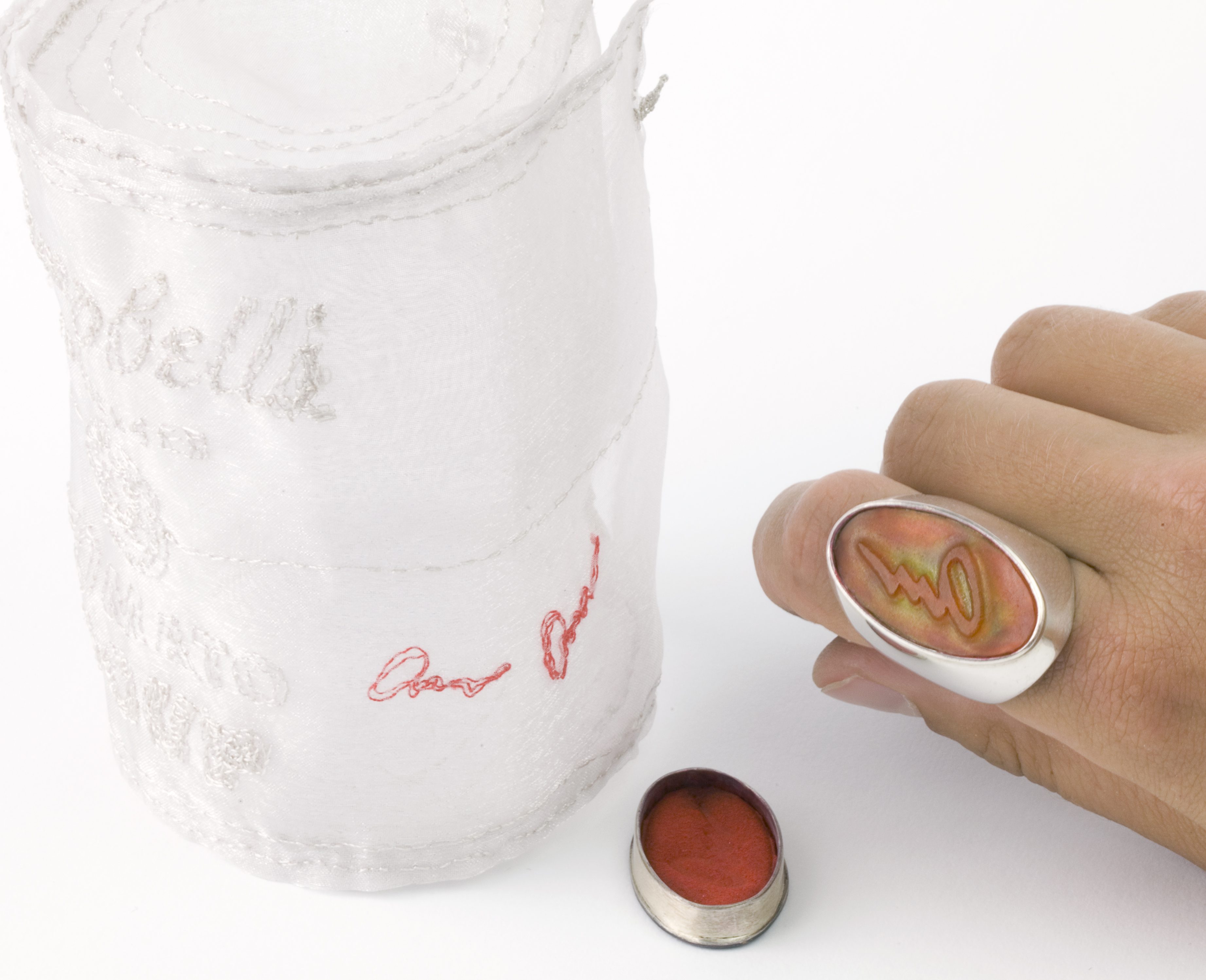
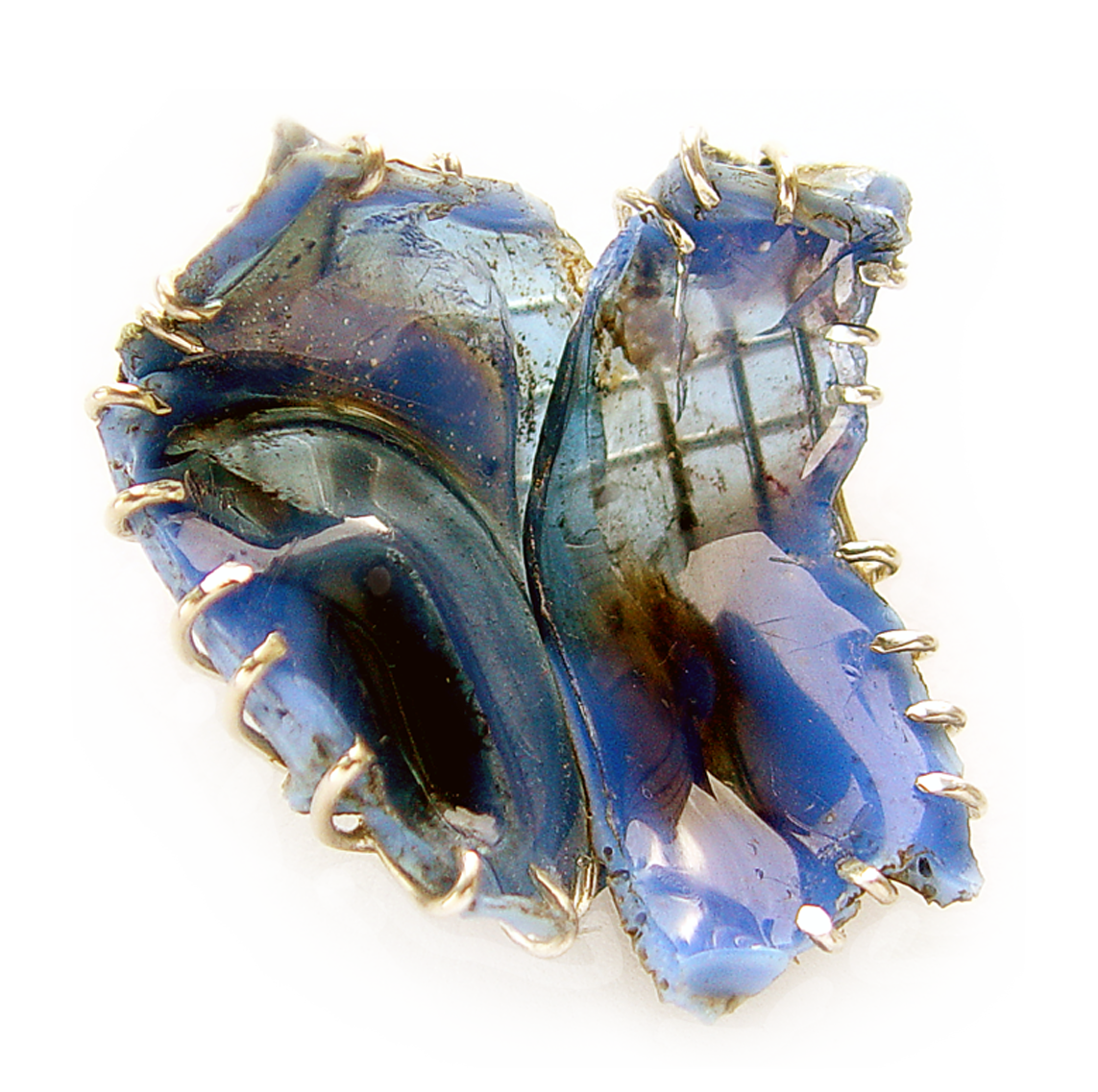
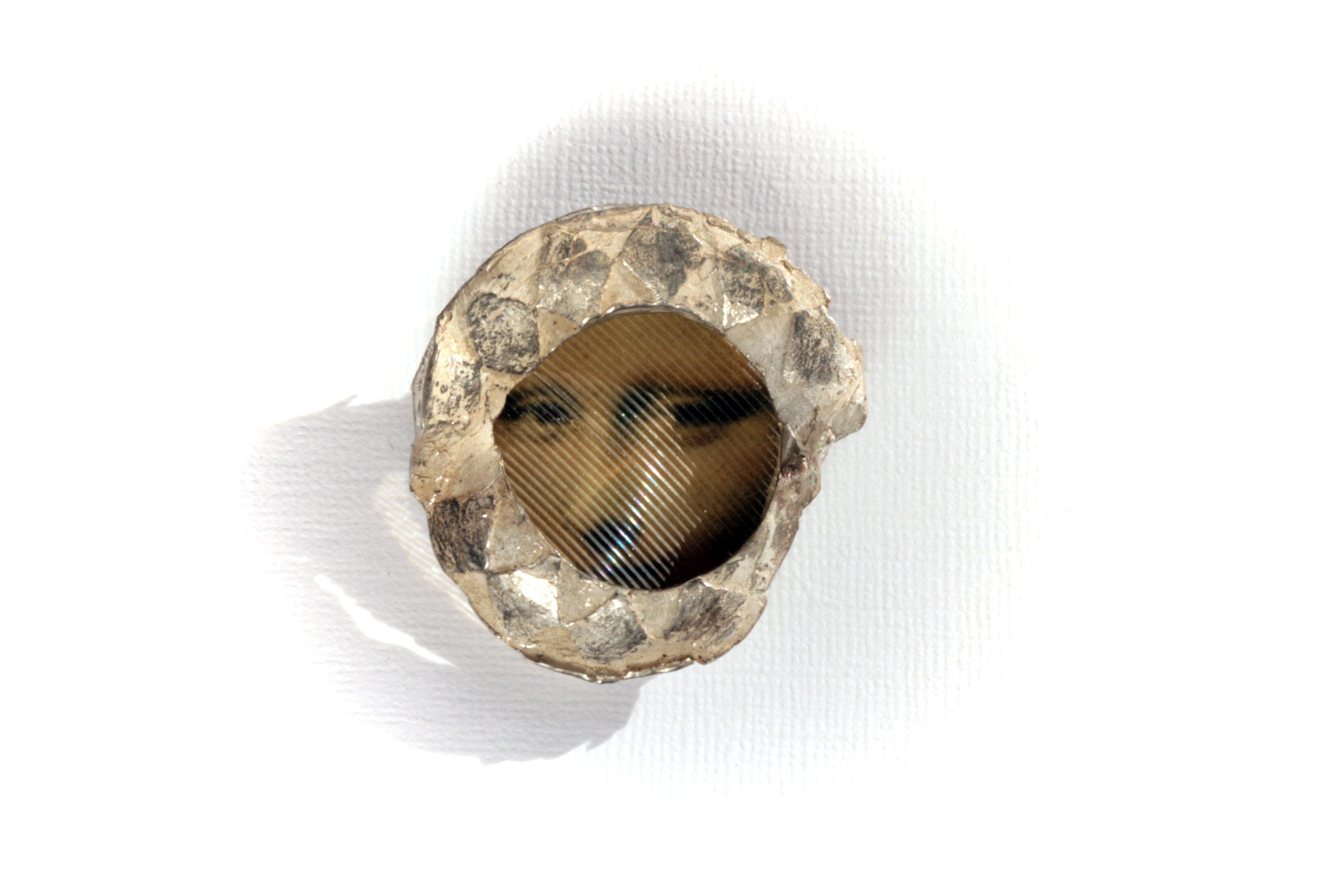

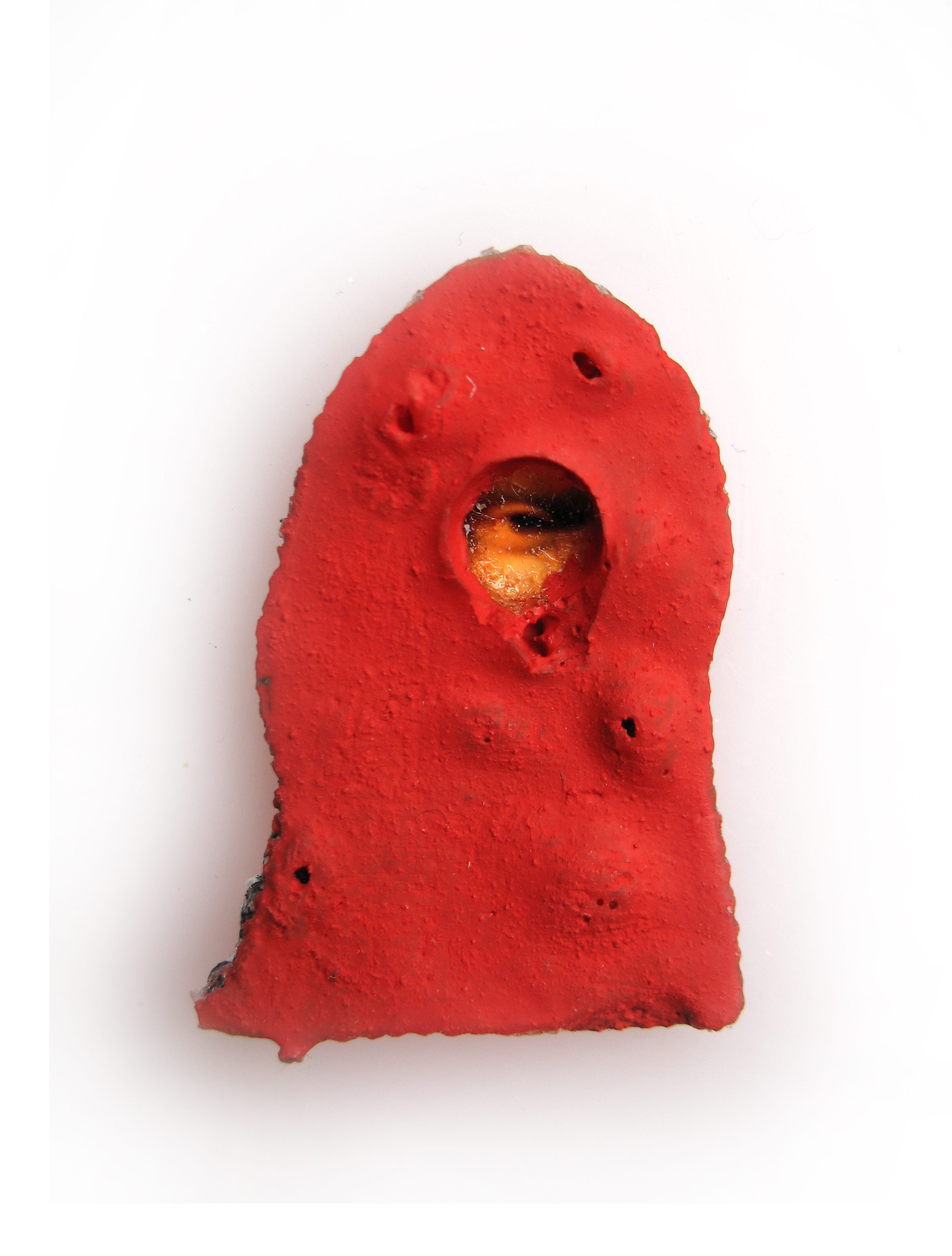
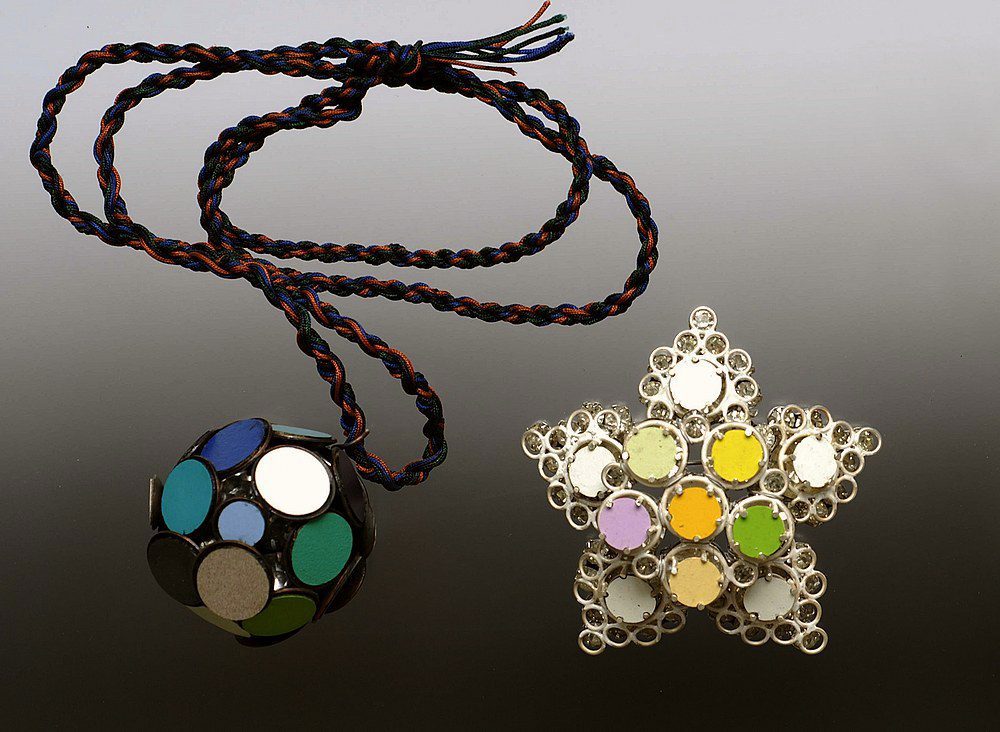


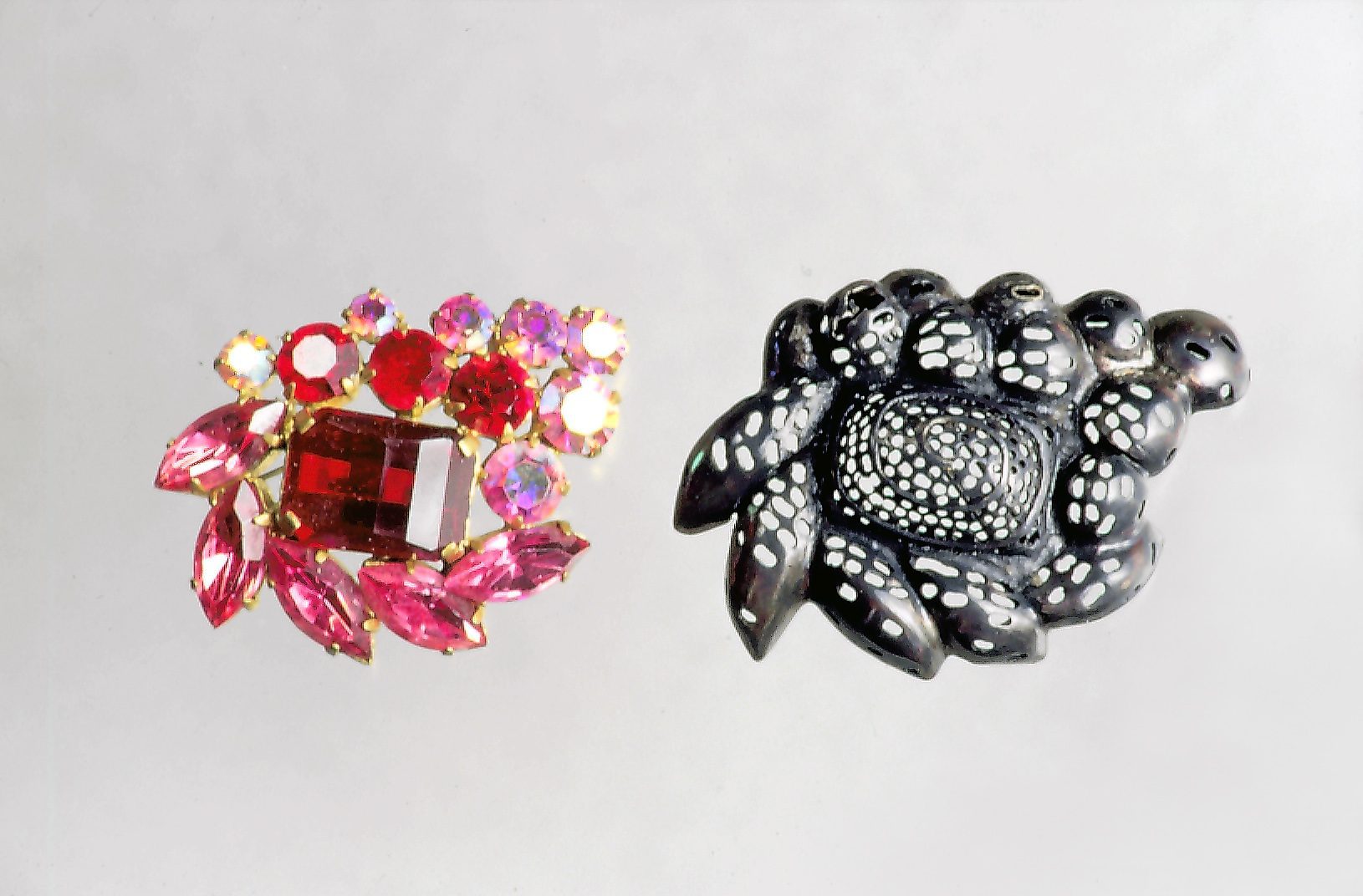


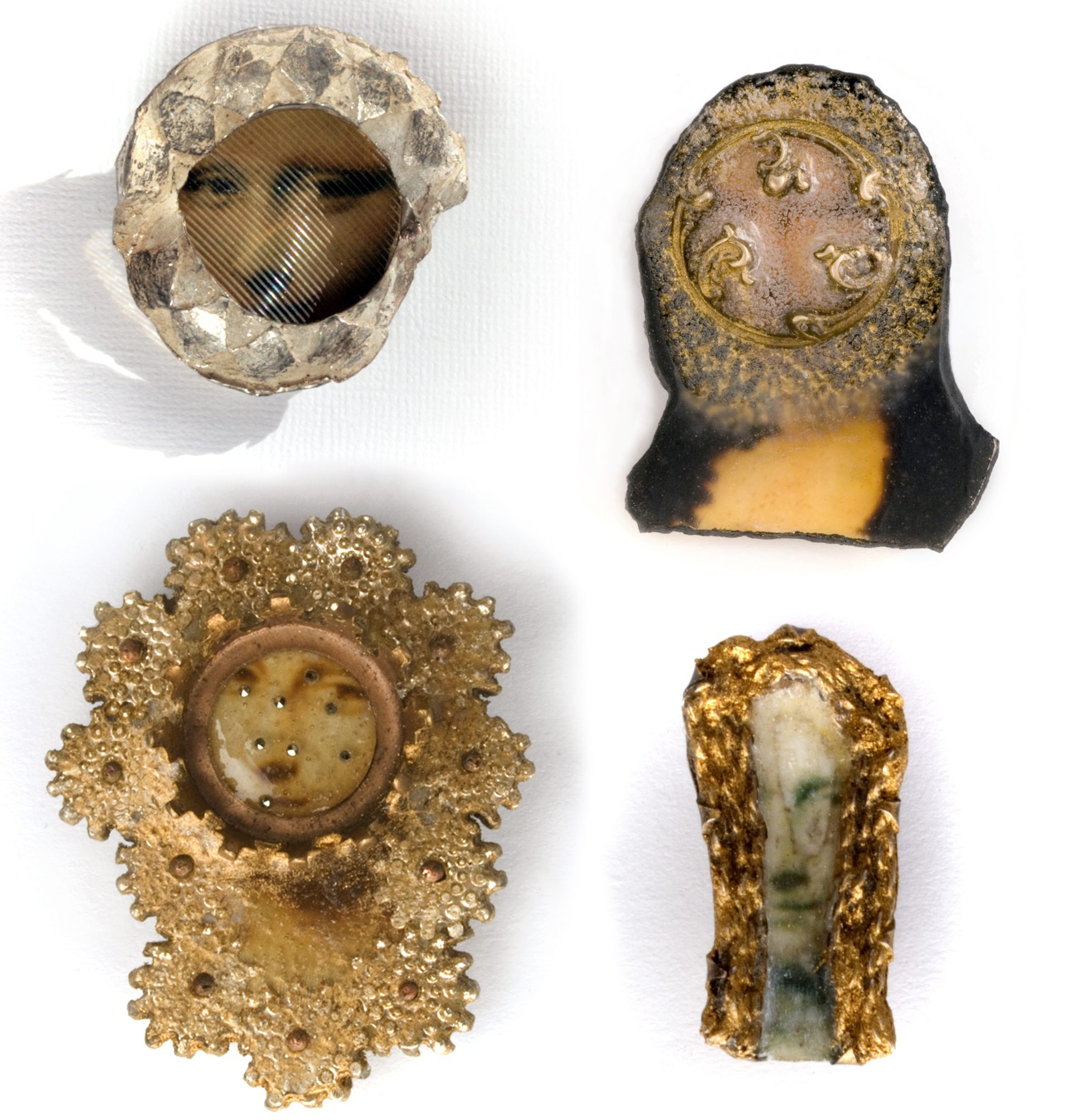
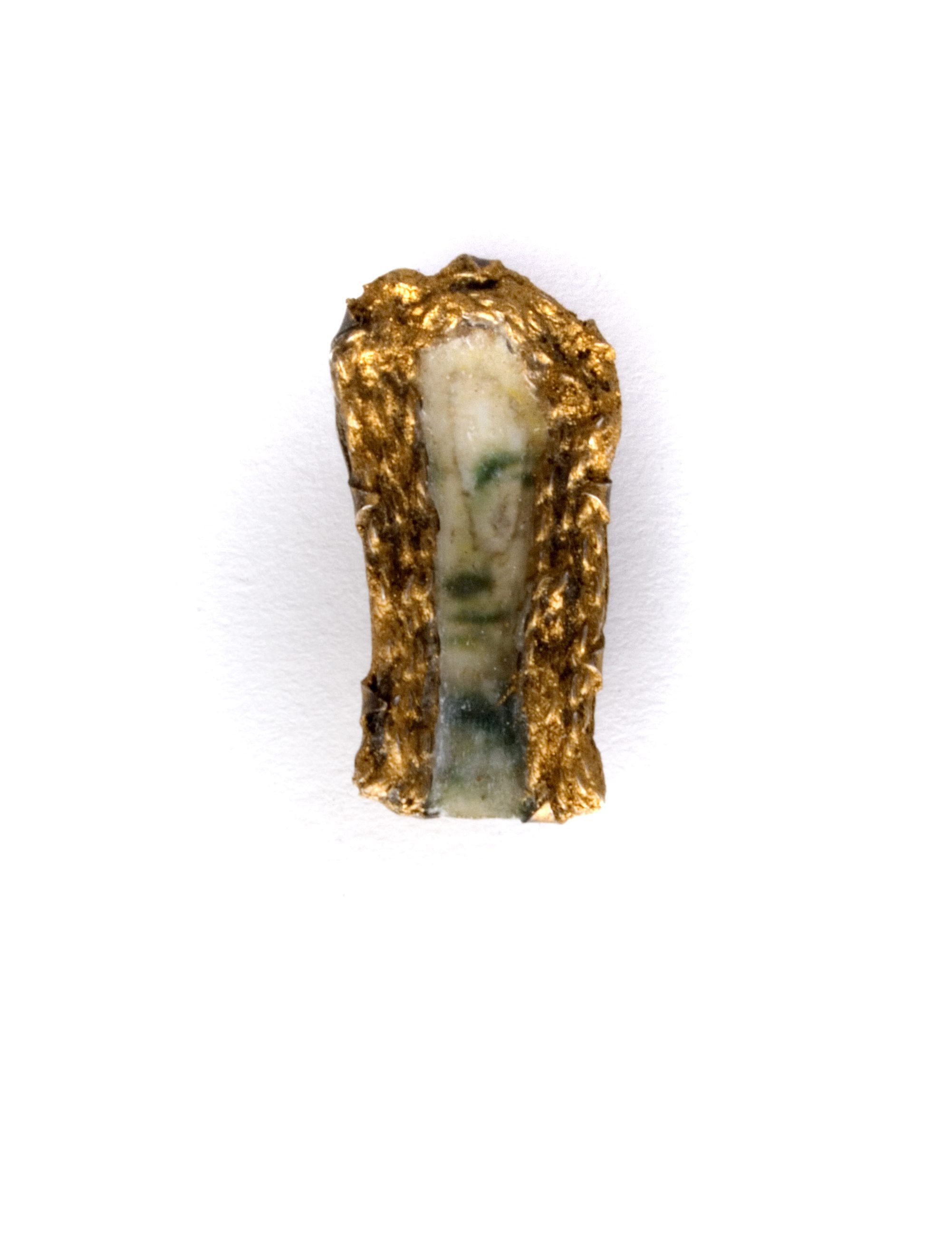
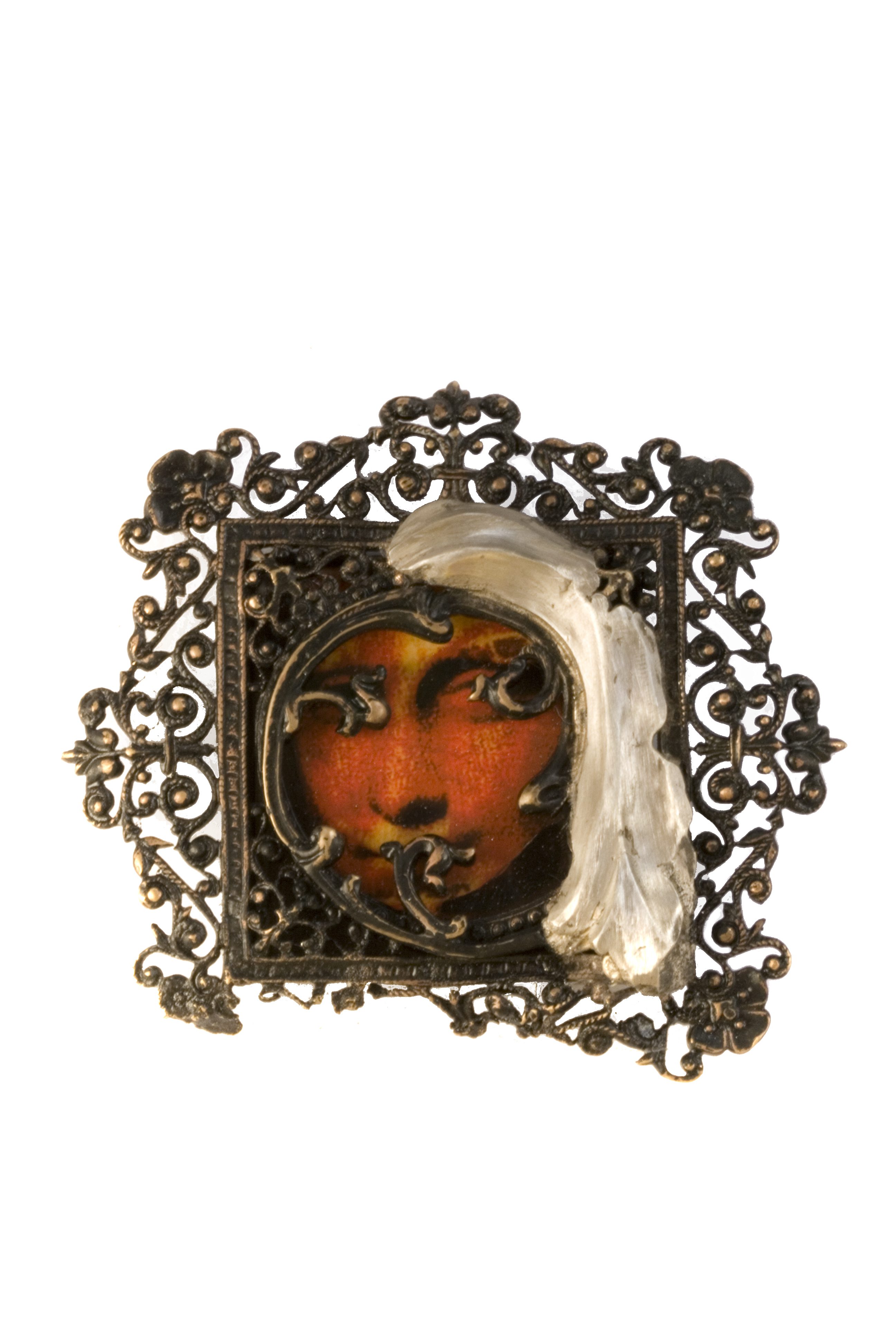




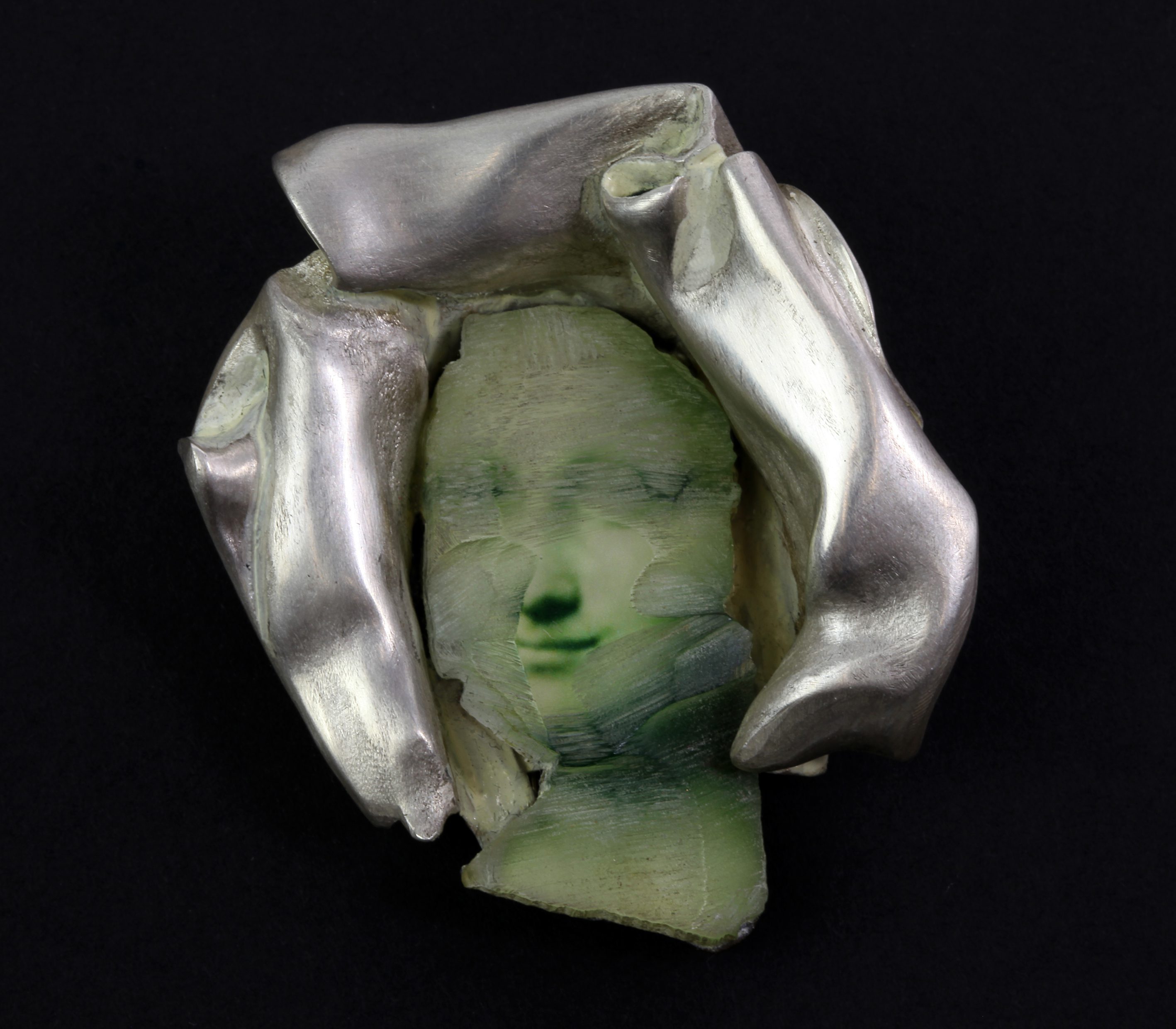

Perception is never a direct encounter with the world, but a filtered one — shaped by memory, expectation, and the stories we carry.
Every act of seeing is already an act of interpreting, a loop where the object and our assumptions meet. What we notice, what we ignore, and what we misread all reveal more about us than about the thing observed.
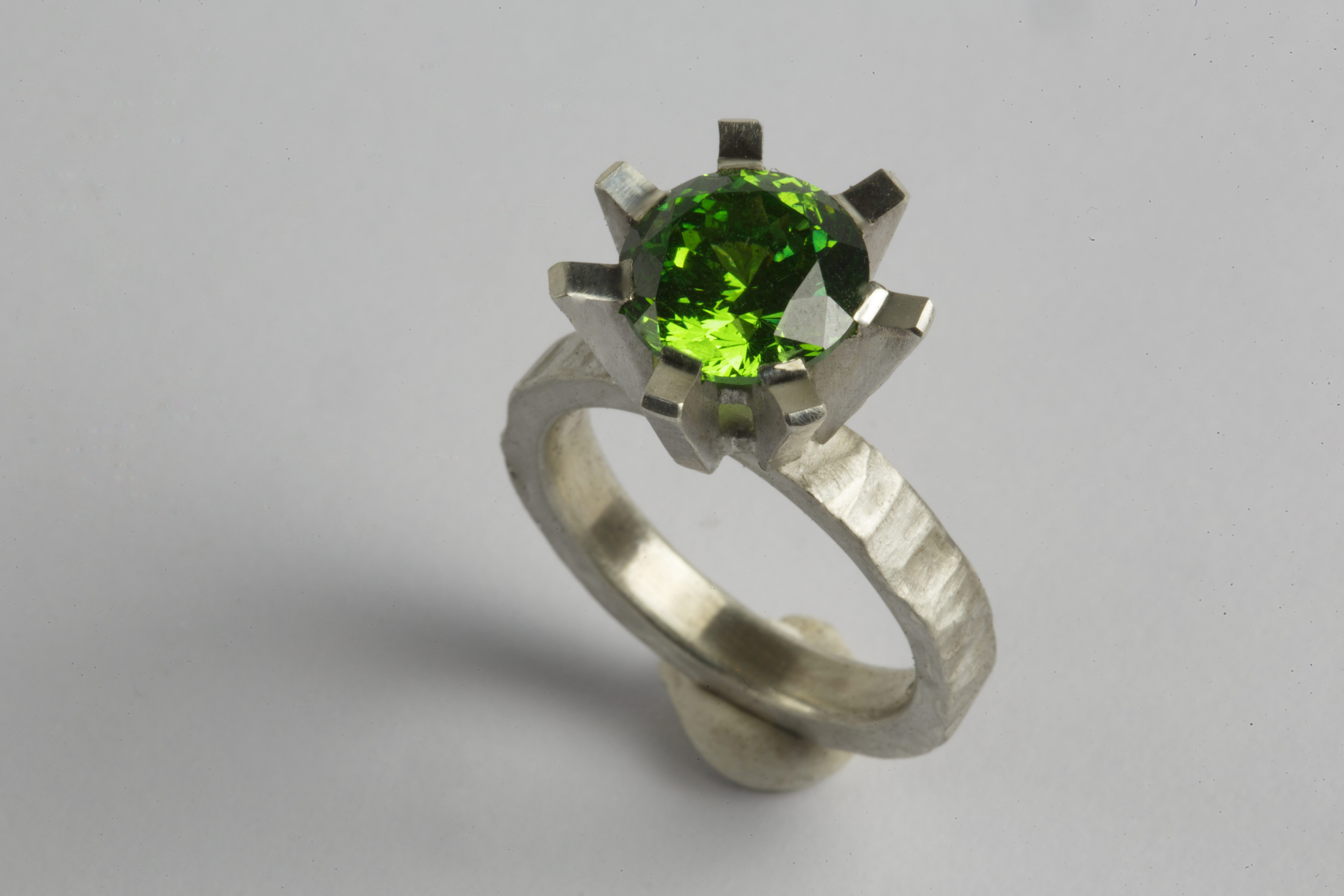
Value behaves in much the same way. It is not inherent but constructed through explanation, belief, provenance, rarity, and cultural narratives. A gemstone’s worth shifts depending on whether it is natural or lab‑grown; a diamond funding a warlord carries a moral weight that alters its beauty. What we perceive to hold value ultimately defines how we experience it. In this sense, value mirrors perception: a loop that tightens as explanations reinforce expectations.
Perception is also a battleground. Propaganda, misinformation, and “fake news” exploit its subjectivity, crafting realities that serve agendas over truth. These distortions operate like sleight of hand — redirecting attention, amplifying emotion, and collapsing complexity into certainty. When a system reflects only its own narratives, perception folds inward. Meaning is created, but truth becomes distorted; divisions deepen; authenticity becomes harder to grasp.
The line between real and fake is shaped by bias, belief, and the stories we accept. Marketing intensifies this, turning perception into a mirror that can reveal or obscure depending on how tightly the loop has closed. Art and gemstones exemplify this dynamic: their worth is shaped as much by narrative as by material fact, and fakes expose how fragile those constructs can be. Lab‑grown stones, for instance, may be chemically identical to natural ones, yet their perceived value differs dramatically because the story differs.
Explanation is never neutral. It bends perception, shaping the loops through which reality is formed. Perception can remain open — receptive to anomaly, difference, and the unexpected — or it can close, mistaking its own reflections for truth. Navigating this space requires attention, doubt, and a willingness to re‑see.
Perception governs how the world is processed, how value is understood, and how we navigate the boundaries between reality and illusion. It reveals belief as a transformative force — capable of generating meaning or distorting it. In this interplay lies both beauty and danger: the freedom to imagine, and the risk of mistaking imagination for fact.
My work explores these tensions, inviting viewers to notice the loops they inhabit and the stories that shape what they see.
3: ENVIRONMENT
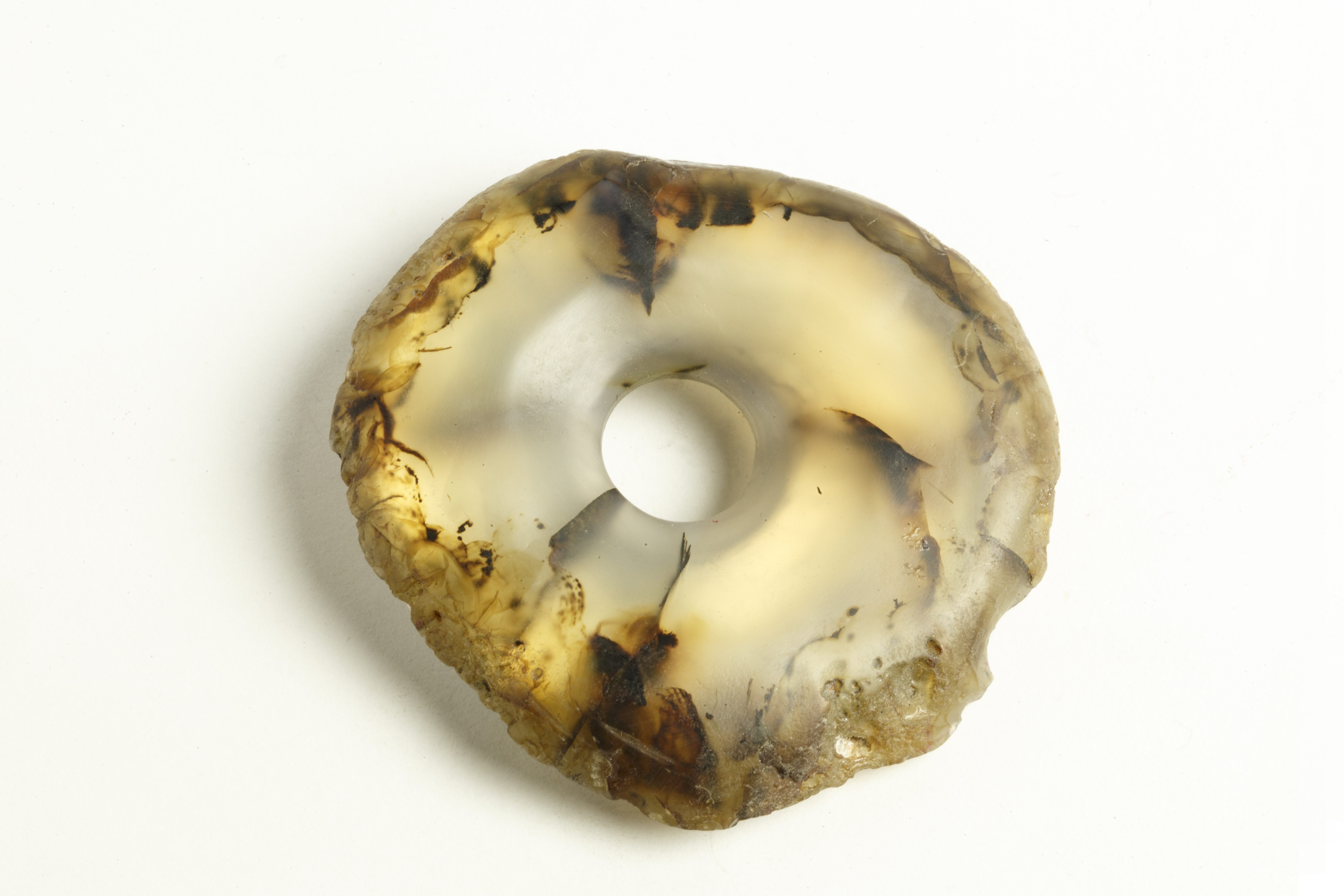
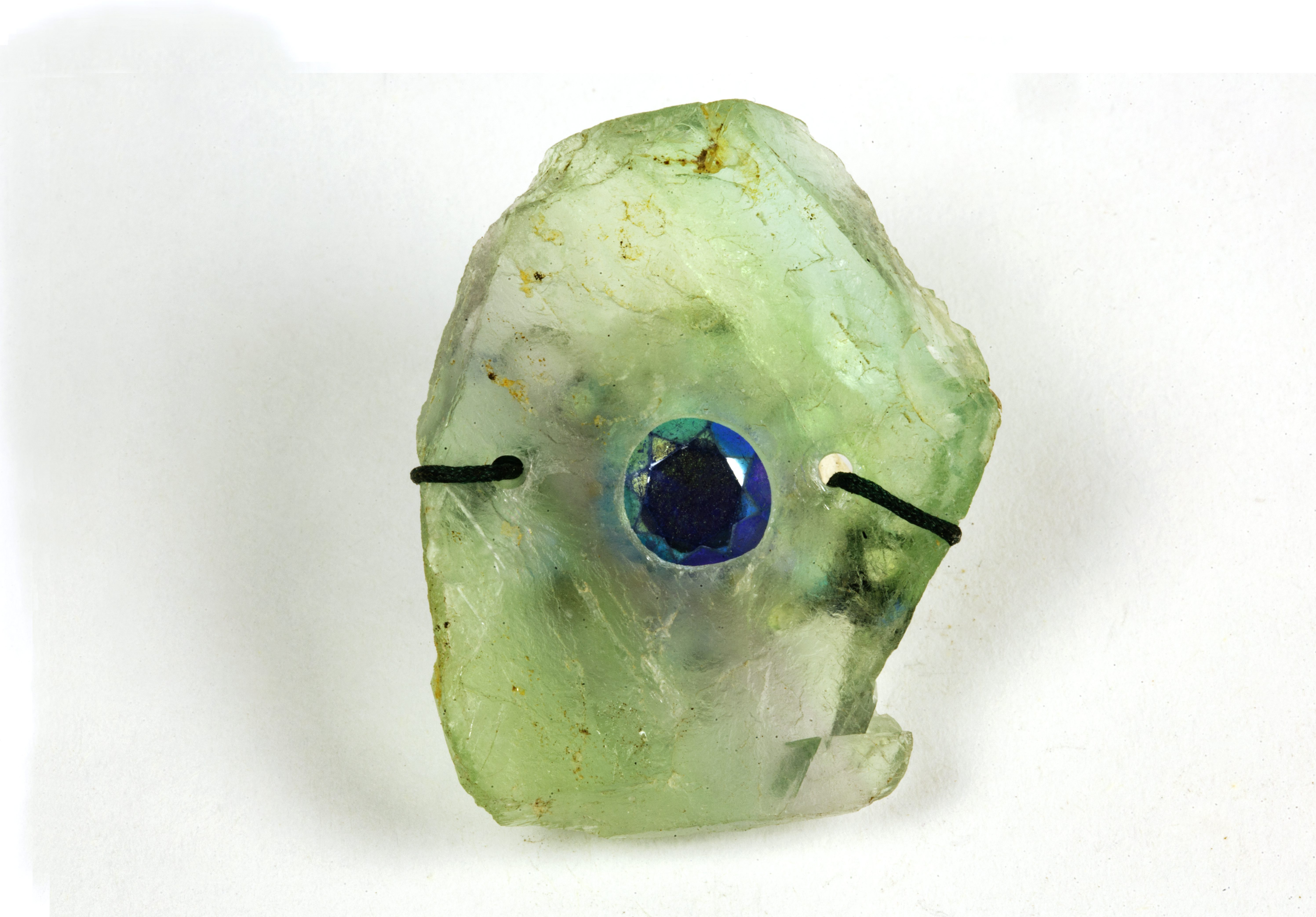
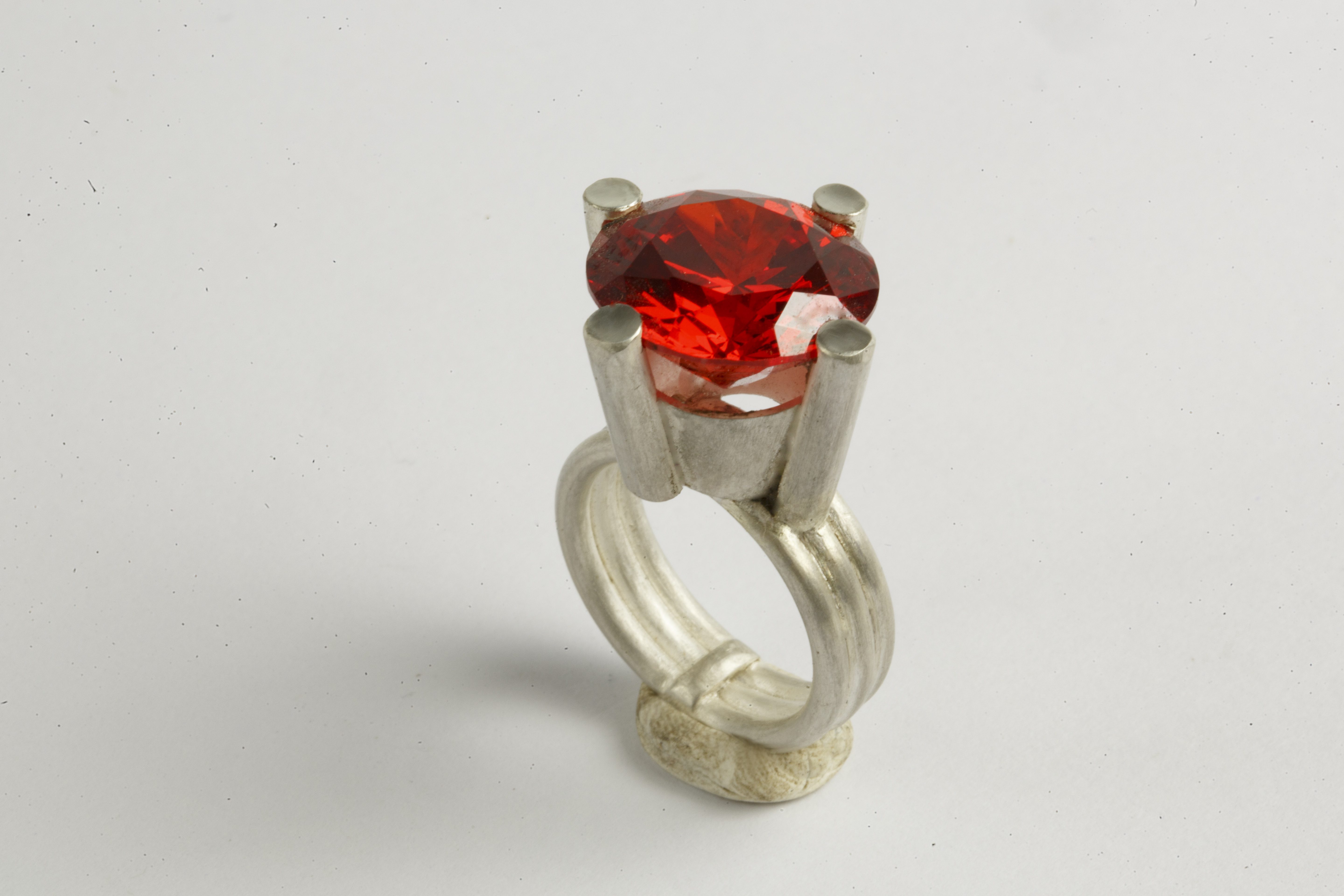

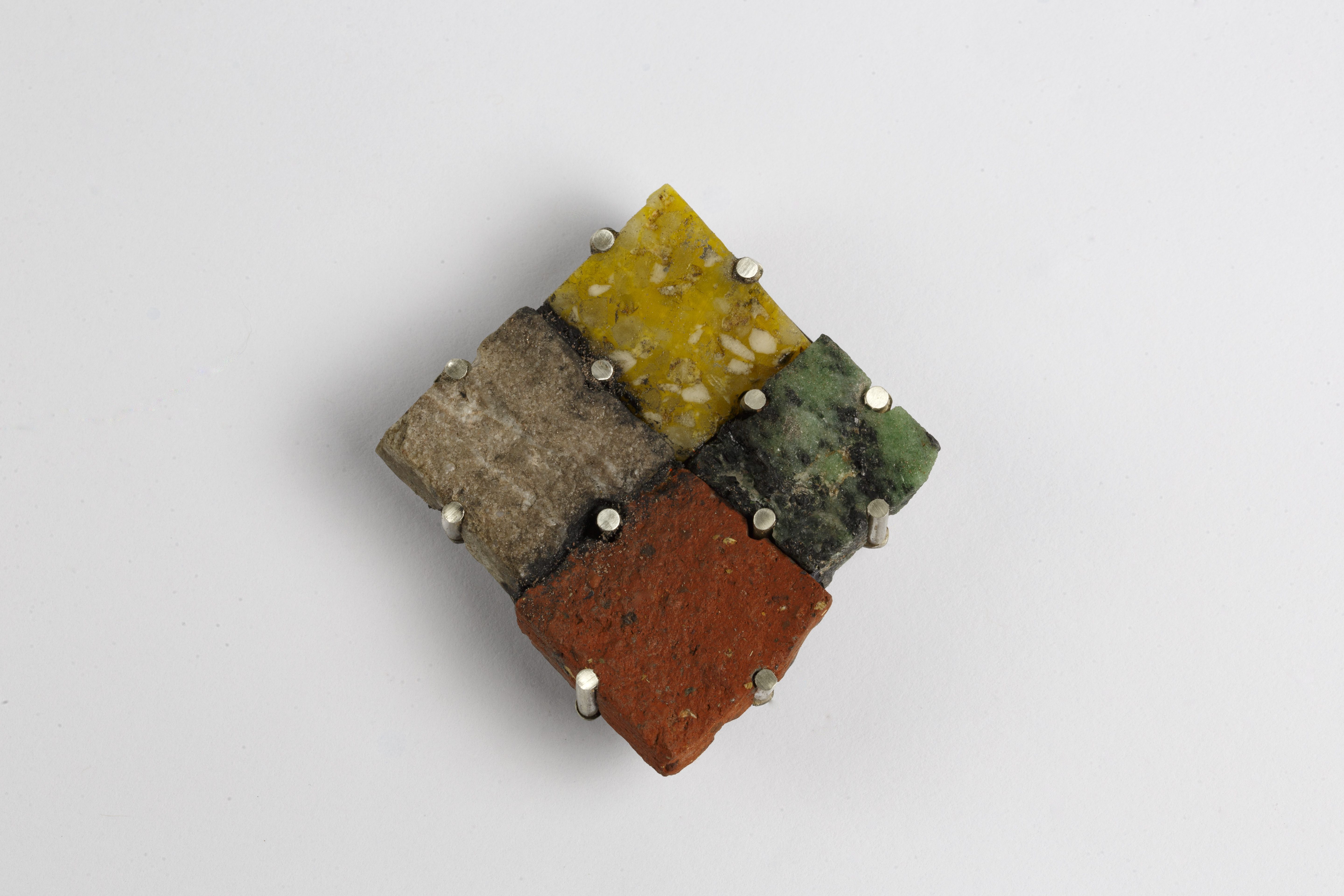

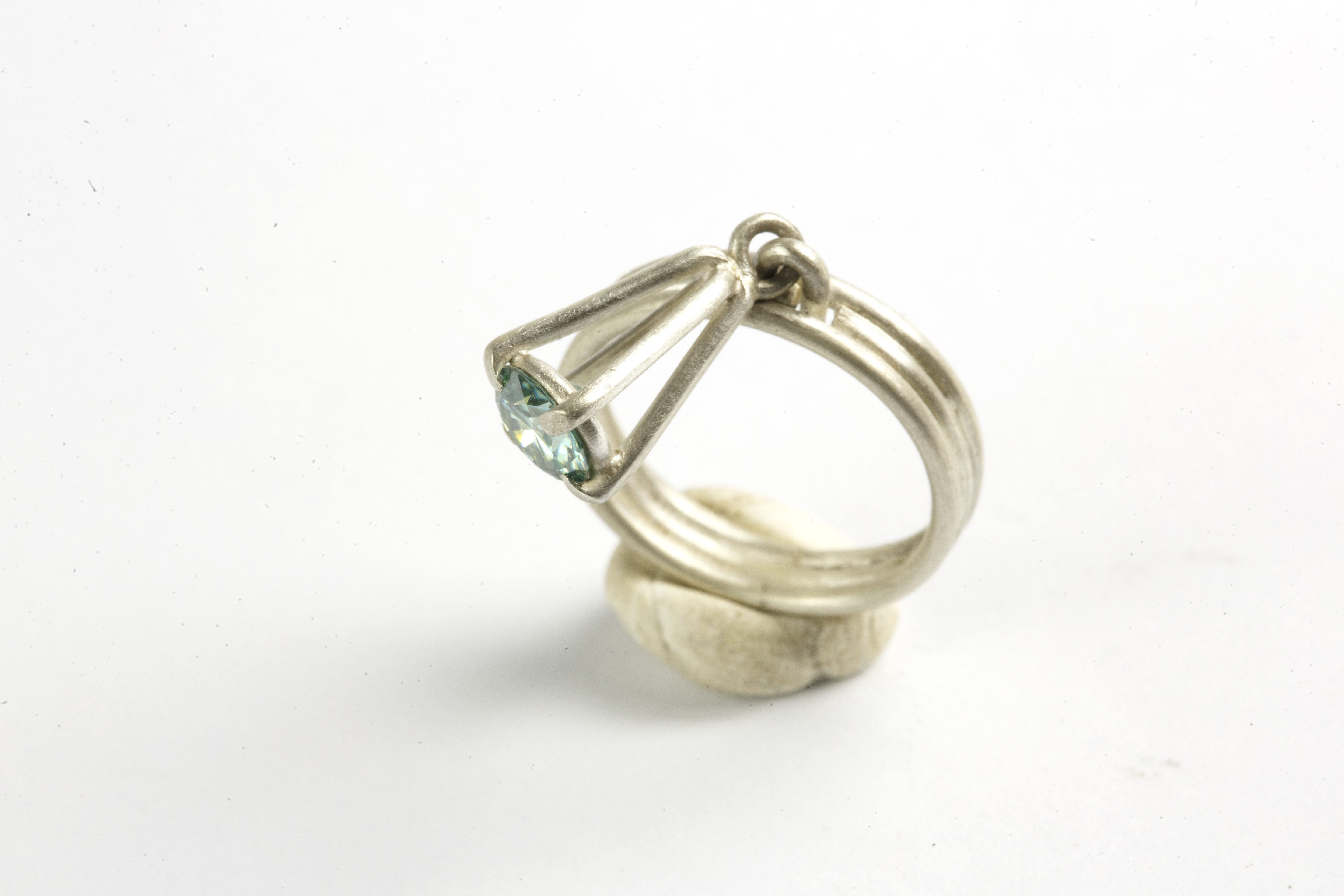
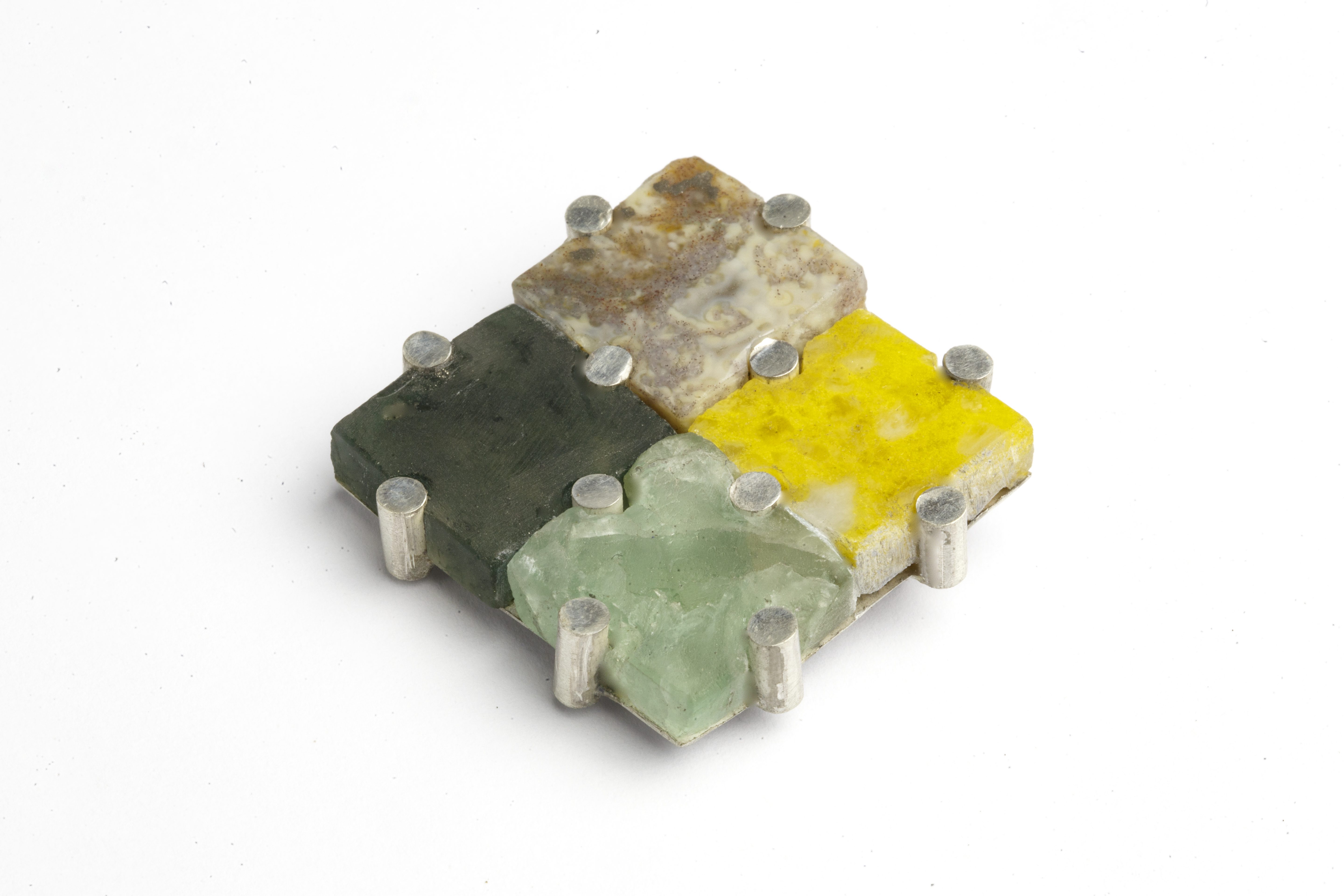


I don’t consider myself an environmentalist in any formal sense. I’m not part of activist groups, and I don’t live a strictly eco‑conscious lifestyle. Yet the environment sits at the centre of my work and daily life, shaping how I think, make, and move through the world. My practice begins with an awareness of how human presence alters the natural balance — sometimes subtly, sometimes catastrophically.
My own journey began with an awareness of environment — not as scenery, but as a living system that shapes how we see and act. I left Europe at a time when pollution had become inescapable, searching for a place where air, light, and land still held clarity. Aotearoa offered that space, a reminder of what balance might feel like. Walking through the bush near my home, I see trees silently competing for rain and light, a delicate equilibrium that survives only when left undisturbed. Human activity disrupts this balance, producing rising temperatures, melting permafrost, extreme weather, urbanisation, deforestation, and toxic algae blooms. Our dominance strips the earth faster than it can recover.
These issues demand political will and collective action. Yet I am drawn to a quieter paradox: synthetic materials are man‑made, yet their origins lie in oil — the compressed memory of ancient forests. Plastics are both artificial and deeply natural. This contradiction sits at the centre of my material thinking and fuels the loops of exploration that guide my practice.
I gather materials from mountains, beaches, second‑hand shops, streets, and the discarded edges of urban life.Reclaiming these fragments feels like uncovering hidden stories — a kind of rebirth that invites reflection on the value they might hold again. Value itself is never fixed; it is a social agreement, often manipulated, sometimes absurd. Discarded materials reveal this instability. By combining low‑valued elements or adding just enough attention, labour, or context, I test how something overlooked can shift into something that feels significant.
I look for the moment when materials combine in ways that exceed their parts — when 1 + 1 becomes 2000. This is where gestalt emerges: a new whole formed through interaction, resistance, and surprise. Light becomes a collaborator in this process, revealing how real, synthetic, or imitative materials behave under its touch. These encounters raise questions about sustainability, morality, and the shifting boundaries between nature and invention.
Nature remains an unstoppable force, destined to restore balance on a timeline far larger than our own. My work acknowledges this tension by using both found and created materials to explore interconnectedness, resilience, and the impact of human presence. Through loops of making and re‑making, I engage in a dialogue with the forces shaping our world — reflecting on what has been lost, what persists, and what might yet be rediscovered.
4: CONFLICT
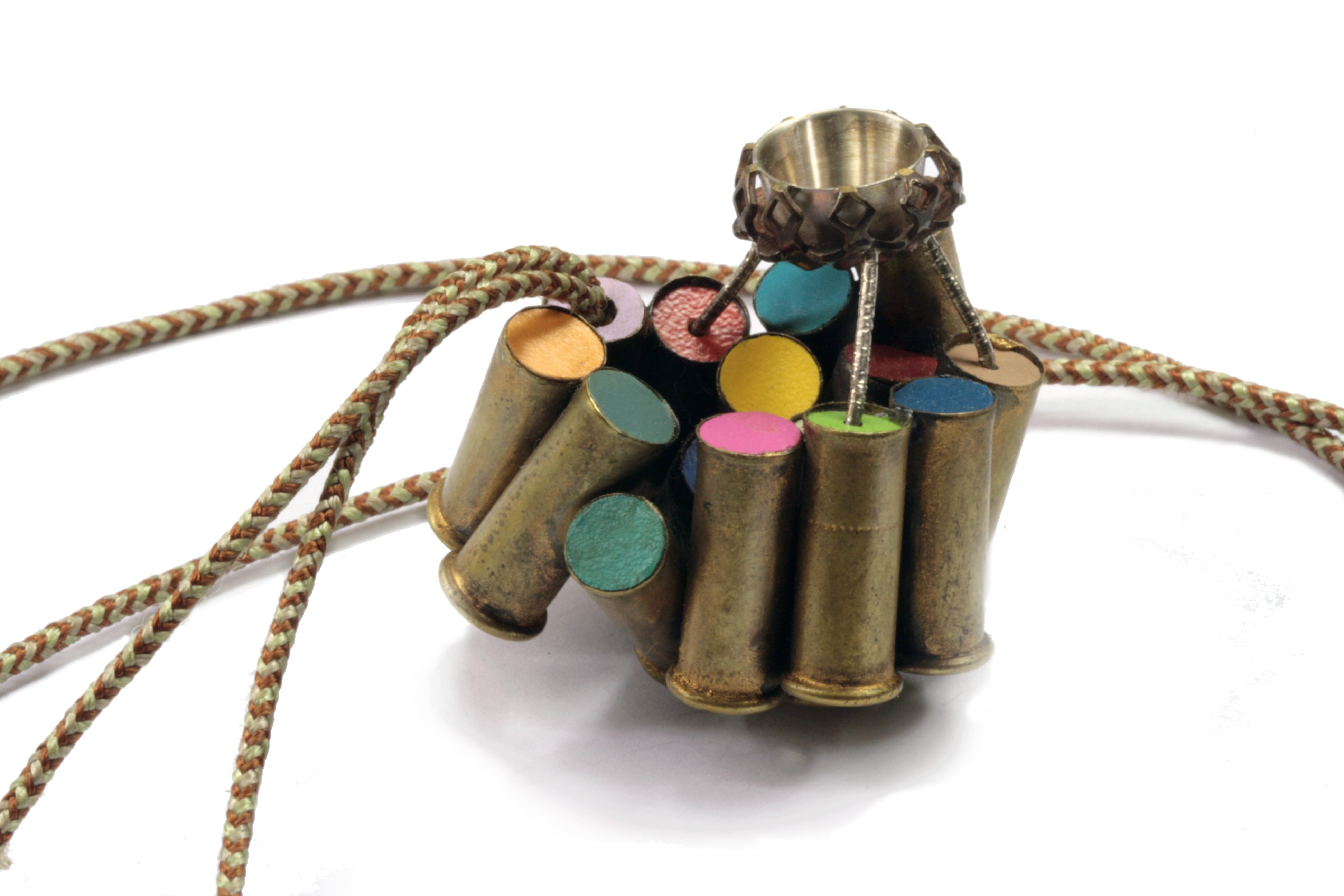


Conflict overturns the world we think we know.
It strips away stability, silences decency, and erases the fragile boundaries of belief. In its upheaval, monsters rise from ambition and power, while humanity retreats into the raw instinct of survival.
Conflict unmasks us. It reveals dictators and collaborators, cowards and opportunists, but also the courageous, the visionary, and those who insist on futures beyond violence. It exposes the innocent who suffer without cause, and the ignorant who enable destruction through silence or complicity. Conflict shows how dark the human species can be, yet also how fiercely some resist, refusing to let brutality define our collective destiny. It infiltrates every corner of existence, leaving the most vulnerable to carry its deepest scars.
Art exists to reveal what conflict conceals — the voices forced into silence, the wounds kept out of sight, the truths power works to erase. In the darkness of conflict, art’s function is to shift perception, to open the other side: beauty, clarity, and the possibility of another world.
Throughout my life, I have witnessed relentless warmongering, where nations and leaders use conflict to assert dominance and control. Authoritarian regimes wield fear, propaganda, and brutality to suppress dissent, eroding trust, freedom, and progress. The arbitrary judgment of who deserves to live remains the most disturbing aspect, while freedom of speech becomes an illusion in both oppressed and democratic societies.
Projects such as the Shut-Up series, Great Known to Man series, Acoustic Tile, Dove Poo, and Mourning Jewellery of the Chornobyl Collection stand as symbols of protest, bravery, and memory. They challenge our moral compass and question what we define good and bad, while expressing my privileged position to openly critique these complex realities.
The project Pleasure Best – in Moving Targets extends this idea by confronting the spectacle of killing for entertainment. It asks why humans persist in treating life — animal or otherwise — as disposable, and why the act of killing is still framed as sport or pleasure rather than as a violation of dignity. While survival and protection may once have justified acts of violence, the deliberate staging of death as entertainment today reveals a moral failure of the lowest kind. This work insists that animals are living beings who deserve to exist beyond our games of dominance, and it calls out the immorality of turning their suffering into spectacle.
Pleasure Beast is not only a critique but also a reminder: it exposes the cruelties we normalise and urges us to reimagine our ties to life, justice, and memory. It stands as a counterforce to silence, refusing violence as inevitable and calling us to guard against the erosion of empathy.
I am interested in how conflict permeates our lives without us noticing — the psychology of smoke and mirrors. Conflict distorts perception. It shifts what we see, what we fear, what we believe, and what we allow. It creates loops of misinformation, suspicion, and emotional manipulation that shape behaviour long before we recognise their influence.
Conflict, whether political or cultural, is never abstract. It infiltrates the everyday, shaping how we speak, remember, and imagine futures. My work insists that we resist the numbing effect of violence, that we hold onto memory as a site of care, and that we confront the uncomfortable truth: the way we treat life — human or non‑human — is the measure of our collective dignity.