



Value as a Loop: How We Recognise Worth Together
Around a table, people taste a dish and all recognise how good it is. A song settles into a shared feeling before anyone can explain why. With wine or coffee, its quality can be recognised instantly. These small moments of agreement appear quickly and quietly, as if something in us already knows how to read and name them.
Such recognitions feel immediate, yet they draw on layers that have been forming for far longer than the moment itself. Time does not move here in minutes or years; it folds. A flavour recalls another flavour, a sound echoes something half‑remembered, a gesture stirs an old instinct. What seems like intuition is often the return of patterns laid down long before — some from childhood, some from culture, some from ancestry, some from learned situations, some from the deep human past.
Long before money or markets, people were already reading the world this way. Not in a linear progression, but through repeated encounters: which foods were safe, which faces were friendly, which paths led home, which objects helped or harmed. These impressions accumulated, looped, and thickened. Trust, exchange, obligation, protection, scarcity, wealth, rulers, taxes — these did not arrive as inventions but as extensions of earlier recognitions. What we now call “value” is woven from these layered experiences, not from a predictable timeline.
Different places shaped different loops.
Some cultures, shaped by trade, scarcity, or geography, developed a practical rhythm of exchange. Growing up Dutch, I absorbed this without noticing: the quiet expectation that things should balance, that generosity should be matched, that even friendship has its cycles of giving and returning. The phrase “Wat koop je ervoor?” — What do you buy for that? — pulls almost anything into the realm of measurable worth. It is not cynicism; it is a pattern shaped by centuries of commerce and reclaimed land, a loop that still hums beneath everyday decisions.
In Aotearoa, I encountered a different pattern entirely.
Māori value is carried through whakapapa — the relational network connecting people to ancestors, land, language, and each other. Here, value is not measured by return but by relationship. A river can be recognised in law as a living person because it is kin. A wharenui is an ancestor in timber and carving. Taonga hold the presence of those who made and carried them. In this world, people are custodians rather than owners; value lives beyond the physical, sustained through story, ritual, and collective care.
When these loops meet — the immigrant and the Indigenous, the trader and the giver — value becomes visible in its complexity. What one culture sees as priceless, another sees as ordinary. What one group reads instantly, another cannot read at all. Time folds here too: van Gogh painted with an intensity his contemporaries could not yet recognise. His loop was ahead of the world’s. Only later, when cultural patterns shifted, did his value erupt.
Experts are shaped by loops as well.
Years of looking, analysing, comparing, remembering, and sensing create a layered sensitivity. What appears as instant recognition is really the convergence of countless impressions returning at once. Arthur Conan Doyle once wrote, “Mediocrity knows nothing higher than itself; but talent instantly recognises genius.” It is not superiority; it is pattern meeting pattern.
From these small recognitions — the taste of a dish, the pause before a painting, the shared mood when a song begins — value grows. Loops build on loops, forming architectures of meaning. Some become markets. Some become traditions. Some become sacred. Some become invisible.
Provenance adds another fold: the story of who held an object, where it travelled, what it witnessed. A letter by Einstein, a ring passed down through generations, a painting whose aura has accumulated over centuries — their worth is not in the material but in the loops of memory and identity that surround them. Intrinsic value is elusive because it is layered: personal, cultural, historical, spiritual. It lives beyond the physical.
And yet value can also accelerate.
Marketing, myth, and desire can inflate worth, creating bubbles that rise and burst with collective belief. The diamond as a symbol of love, the frenzy of tulip mania, the hype cycles of modern markets — each shows how easily loops can outrun their anchors. Technology reshapes these loops again, creating new needs while erasing old ones, shifting what societies consider essential.
Still, value is not only a site of instability.
It is also a site of meaning.
An heirloom, a gesture, a work of art that changes how we see — these carry a kind of worth that cannot be priced. They reveal that value is not found but formed, not fixed but felt.
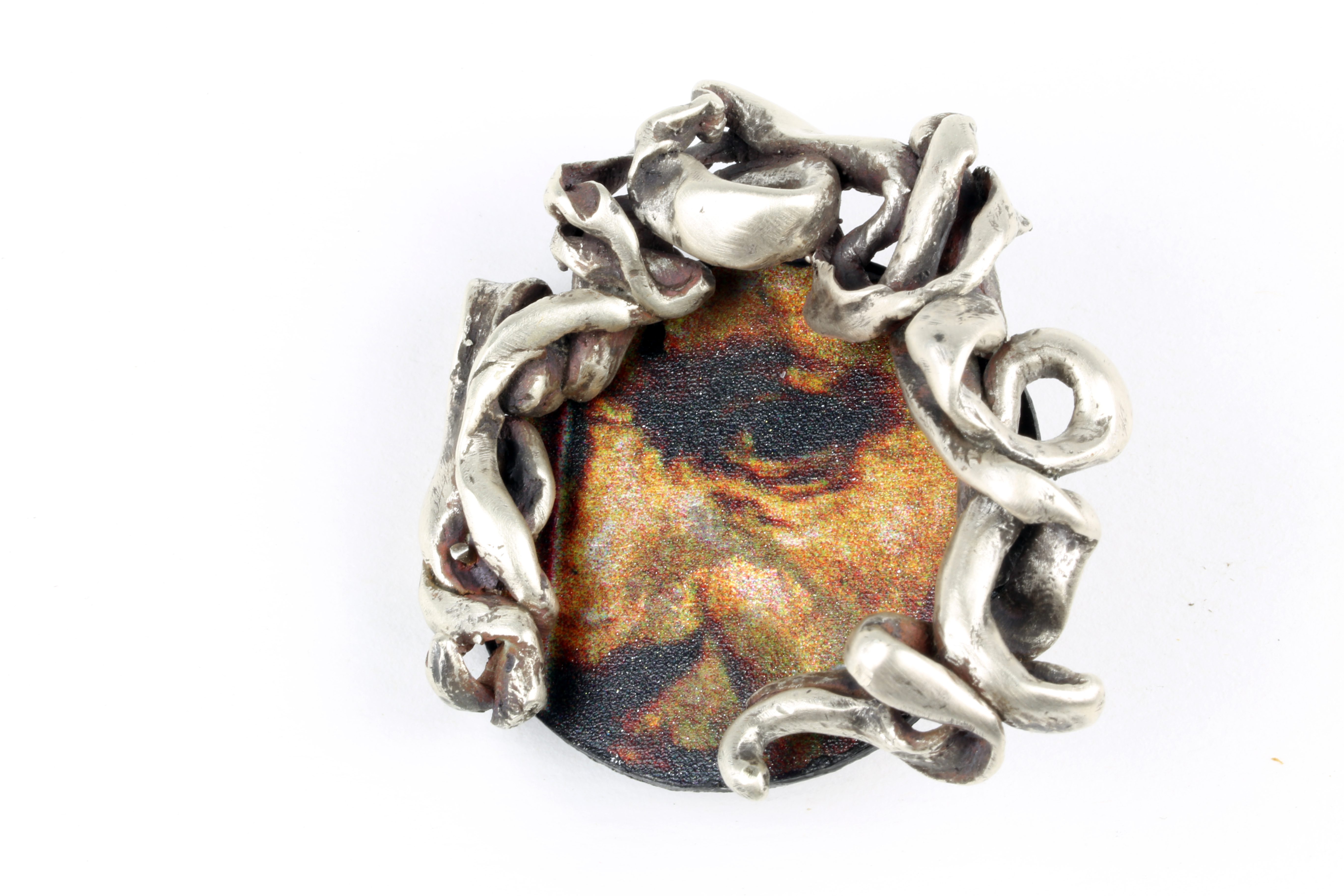
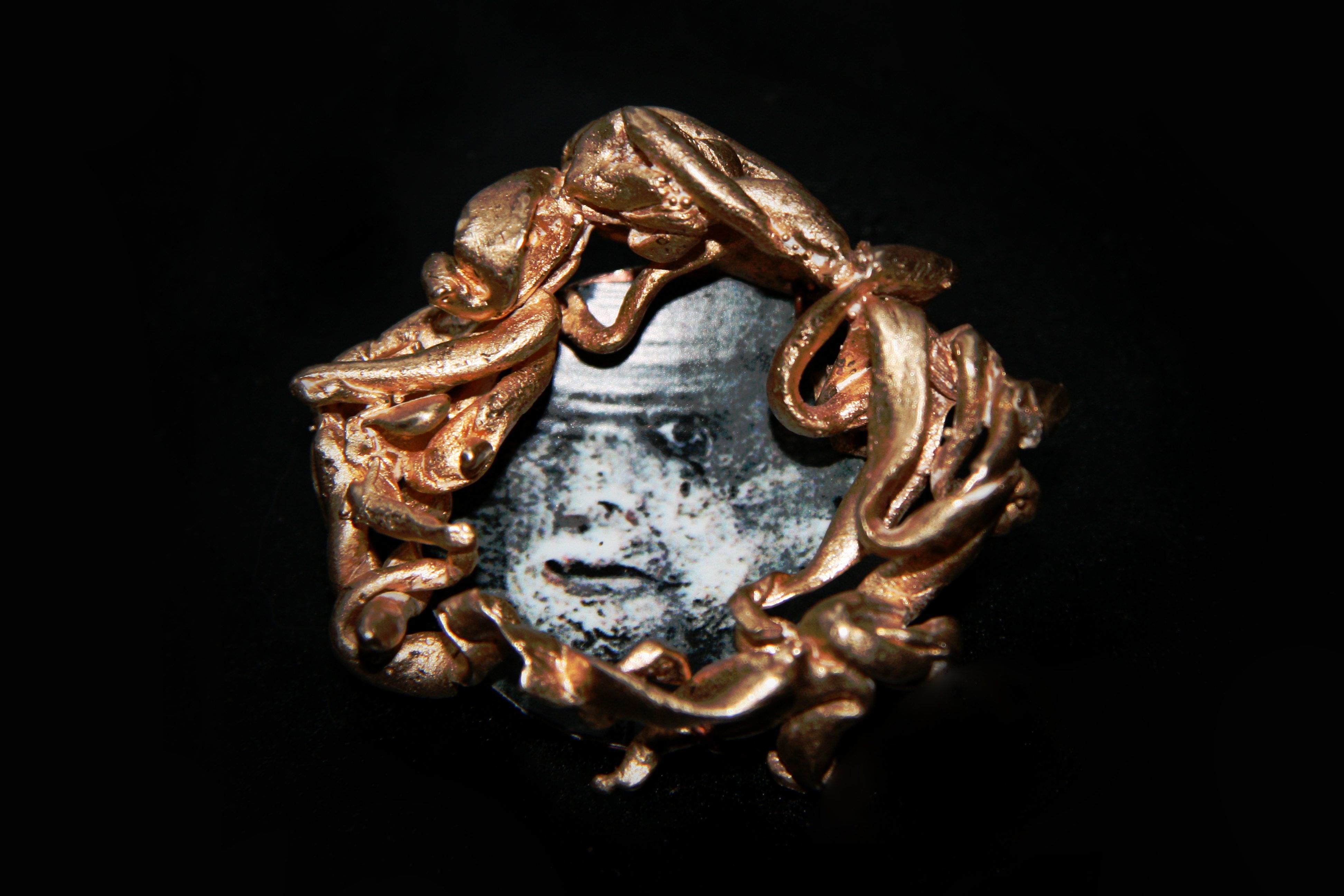
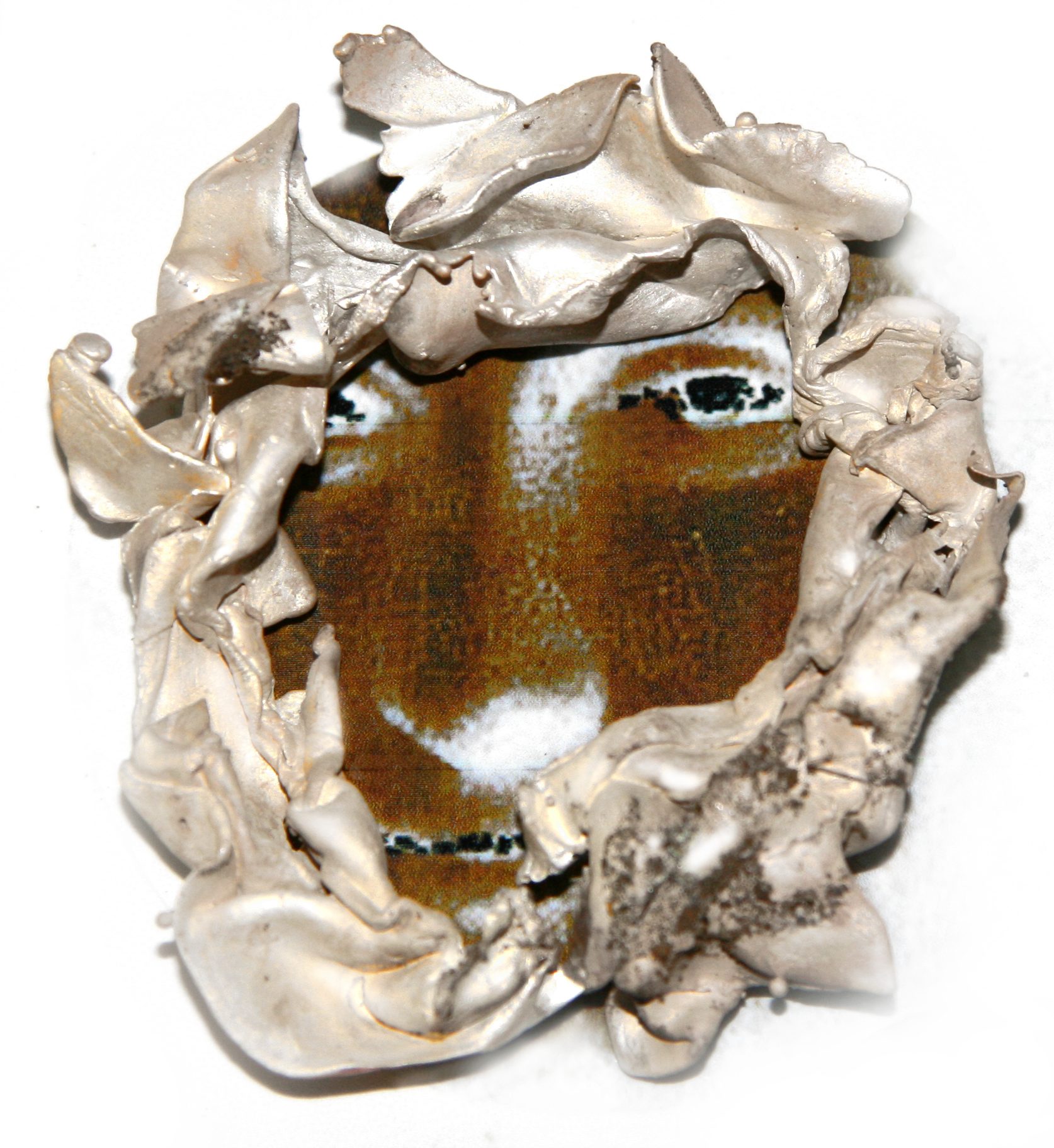
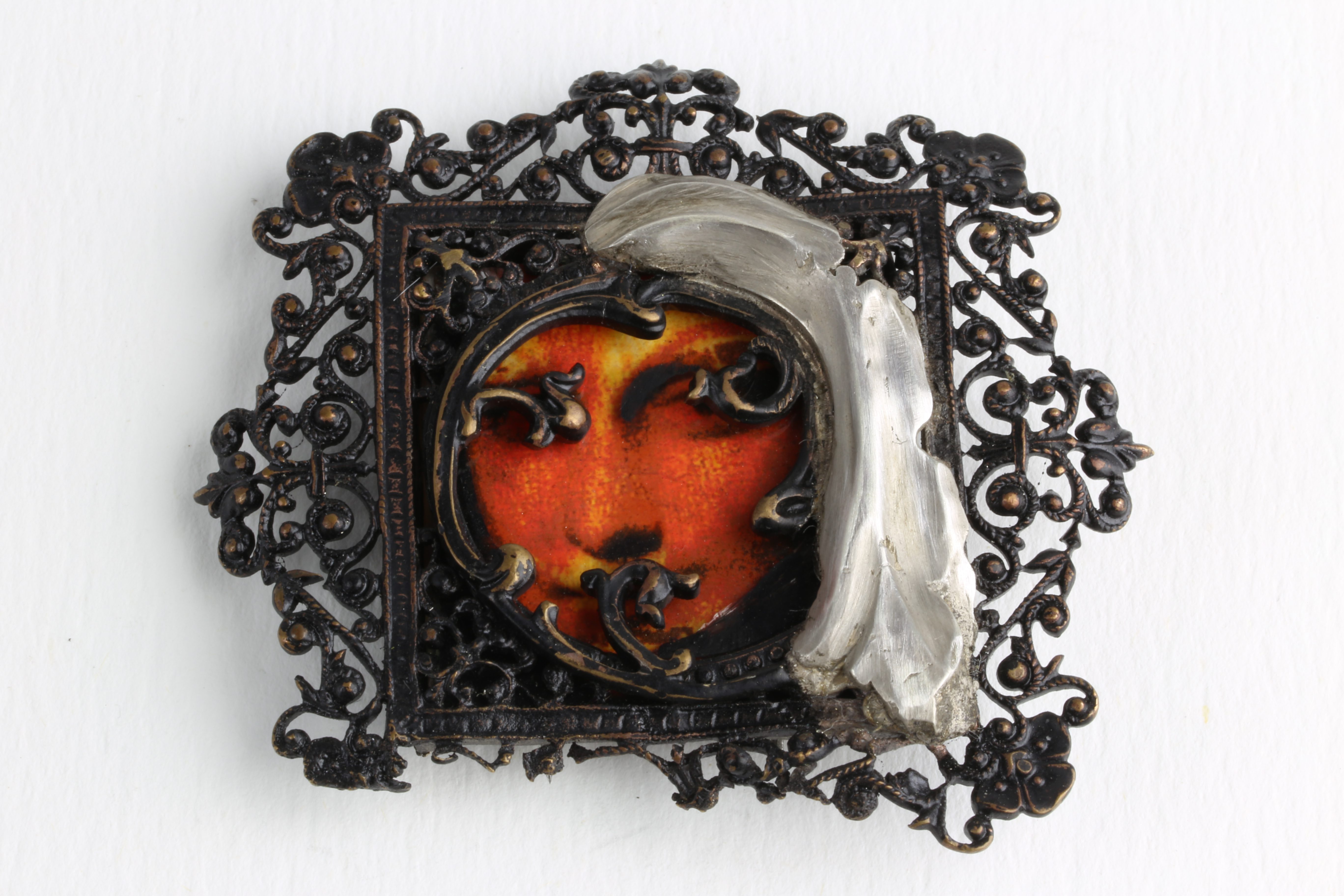
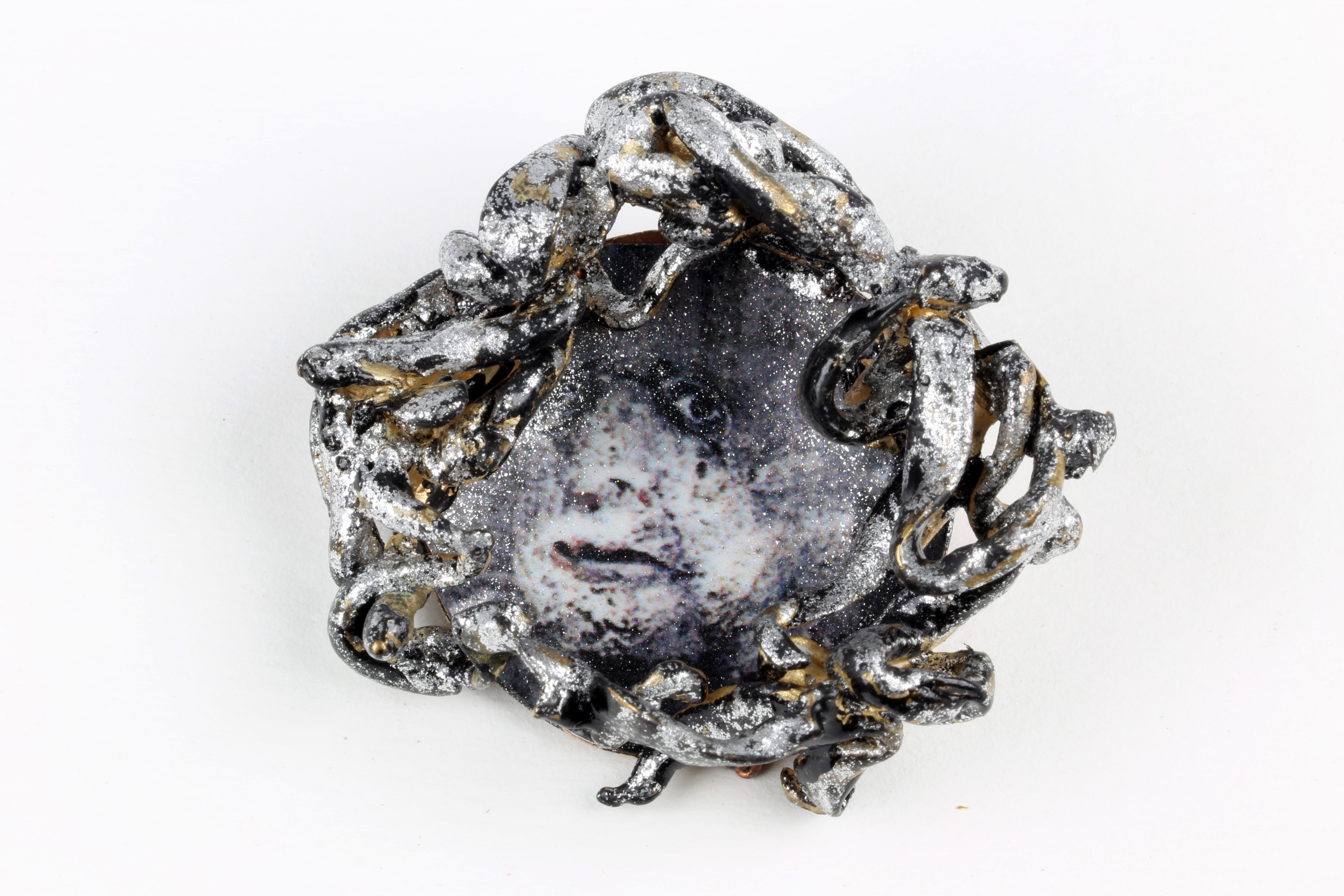
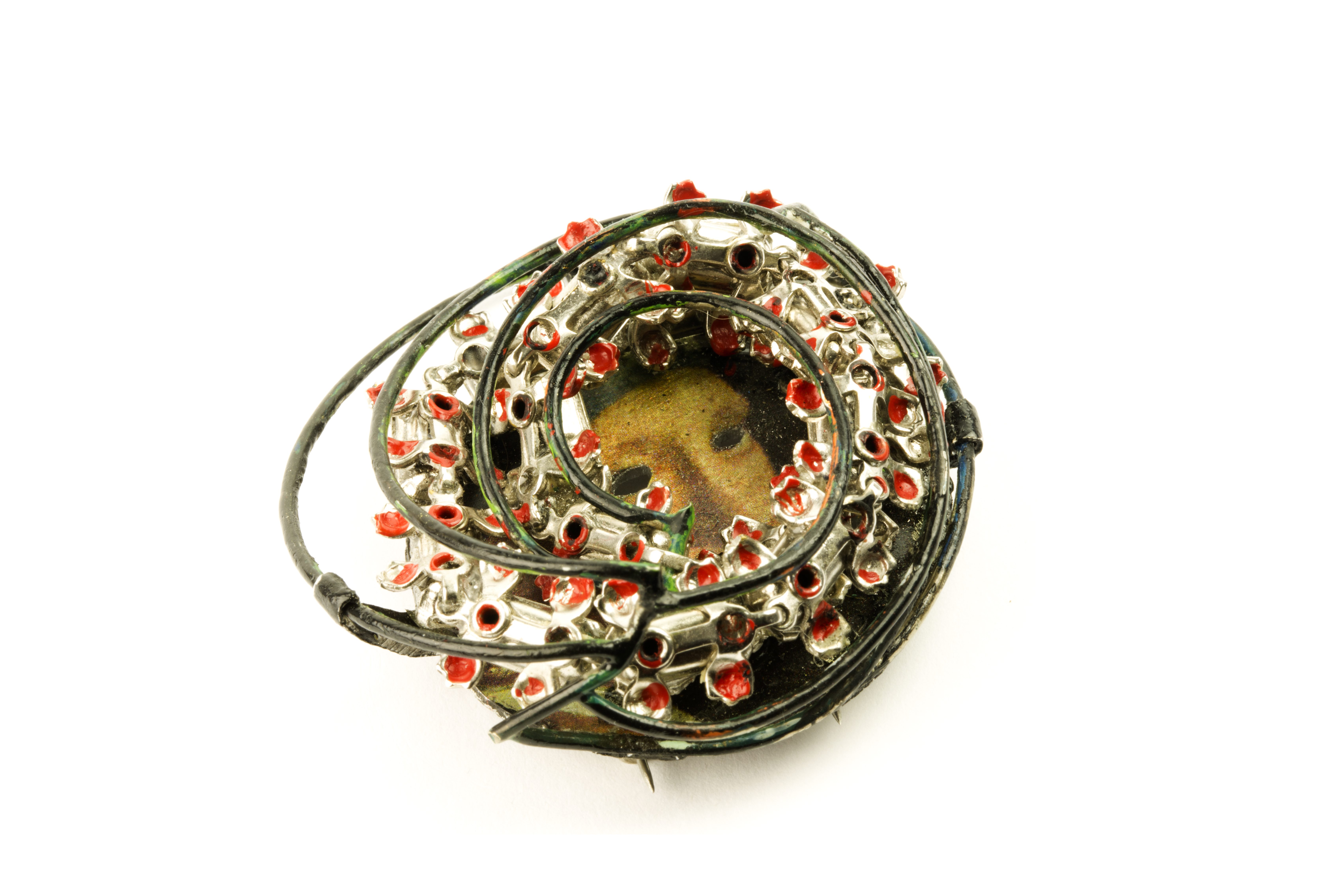
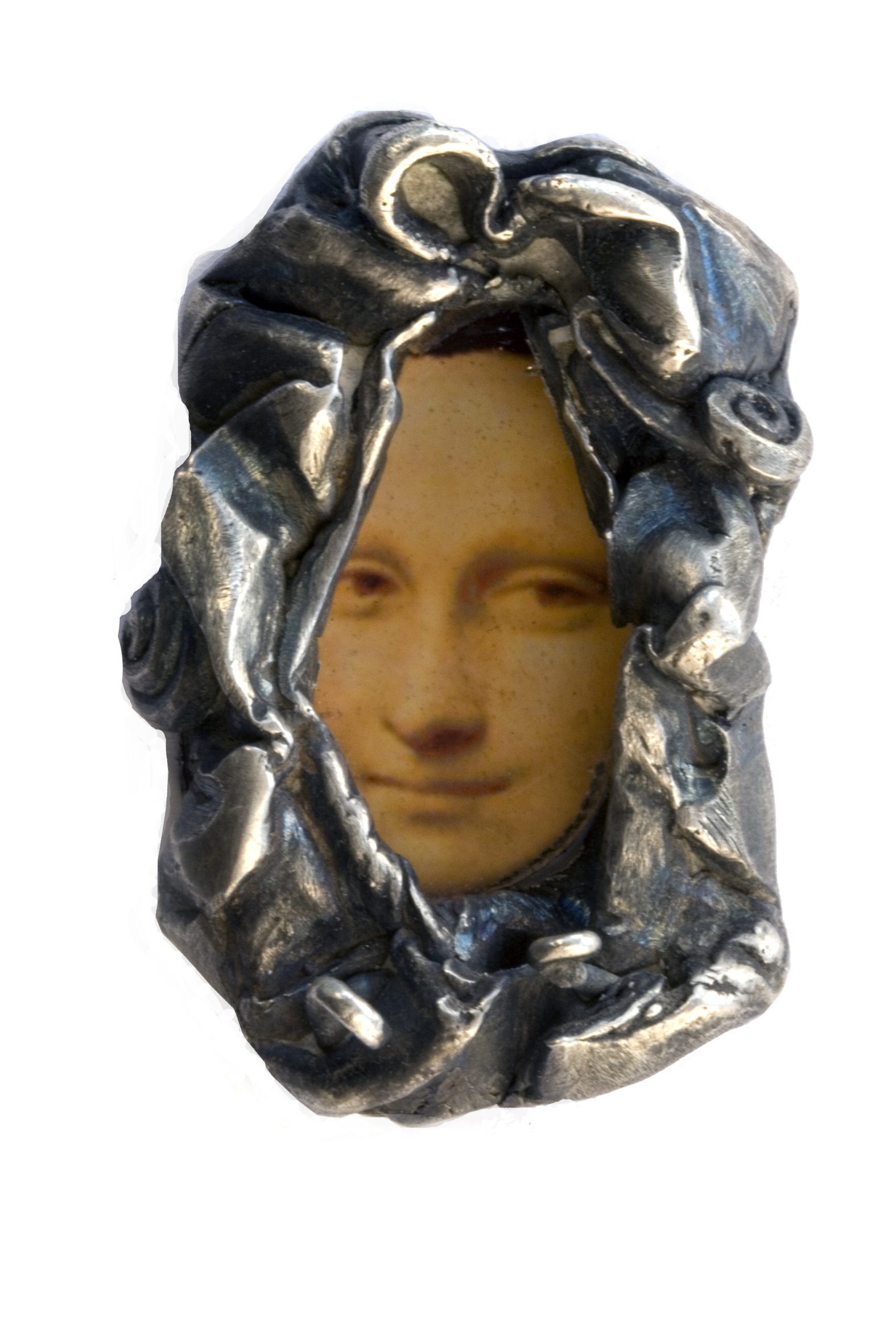
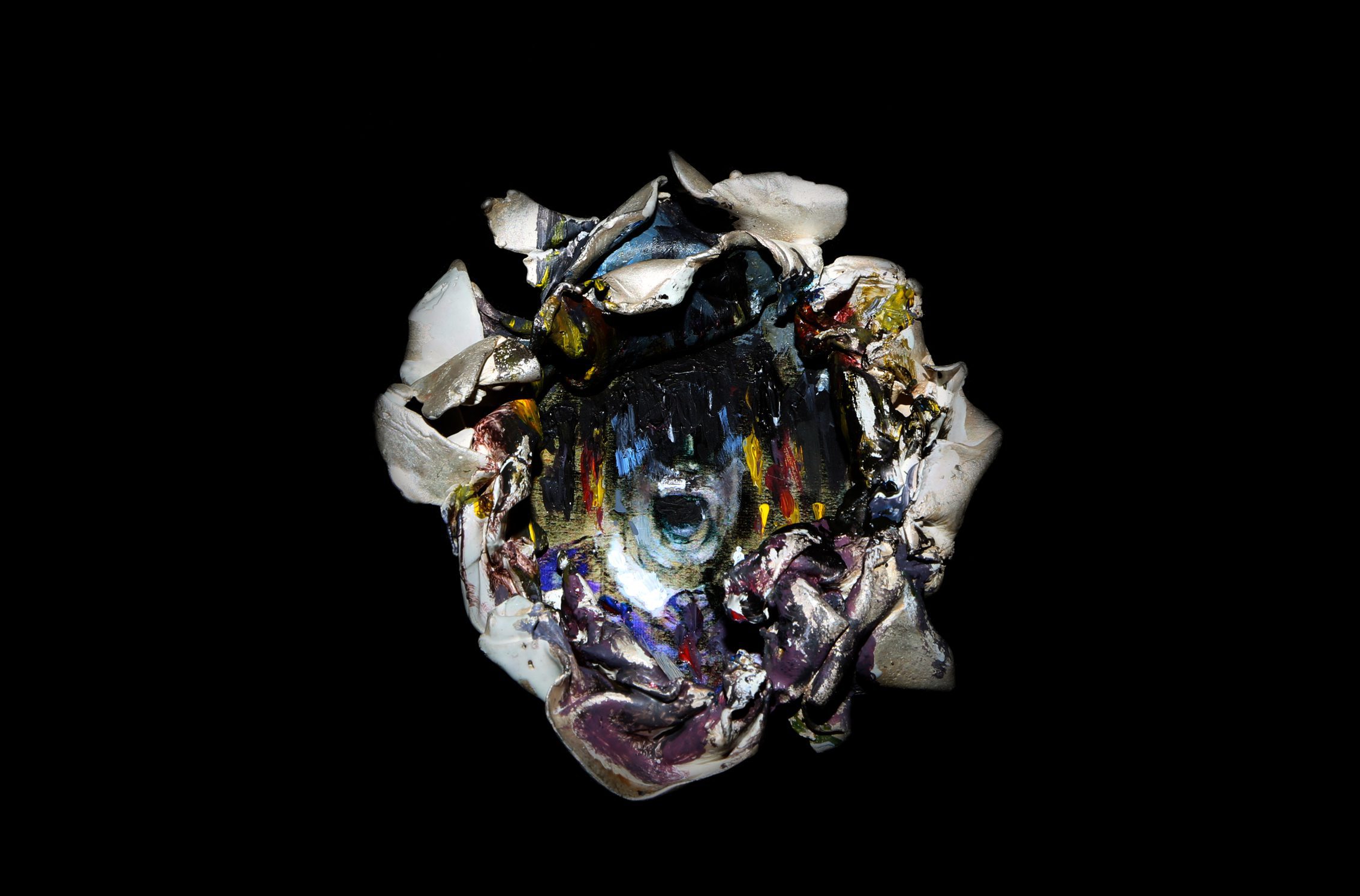
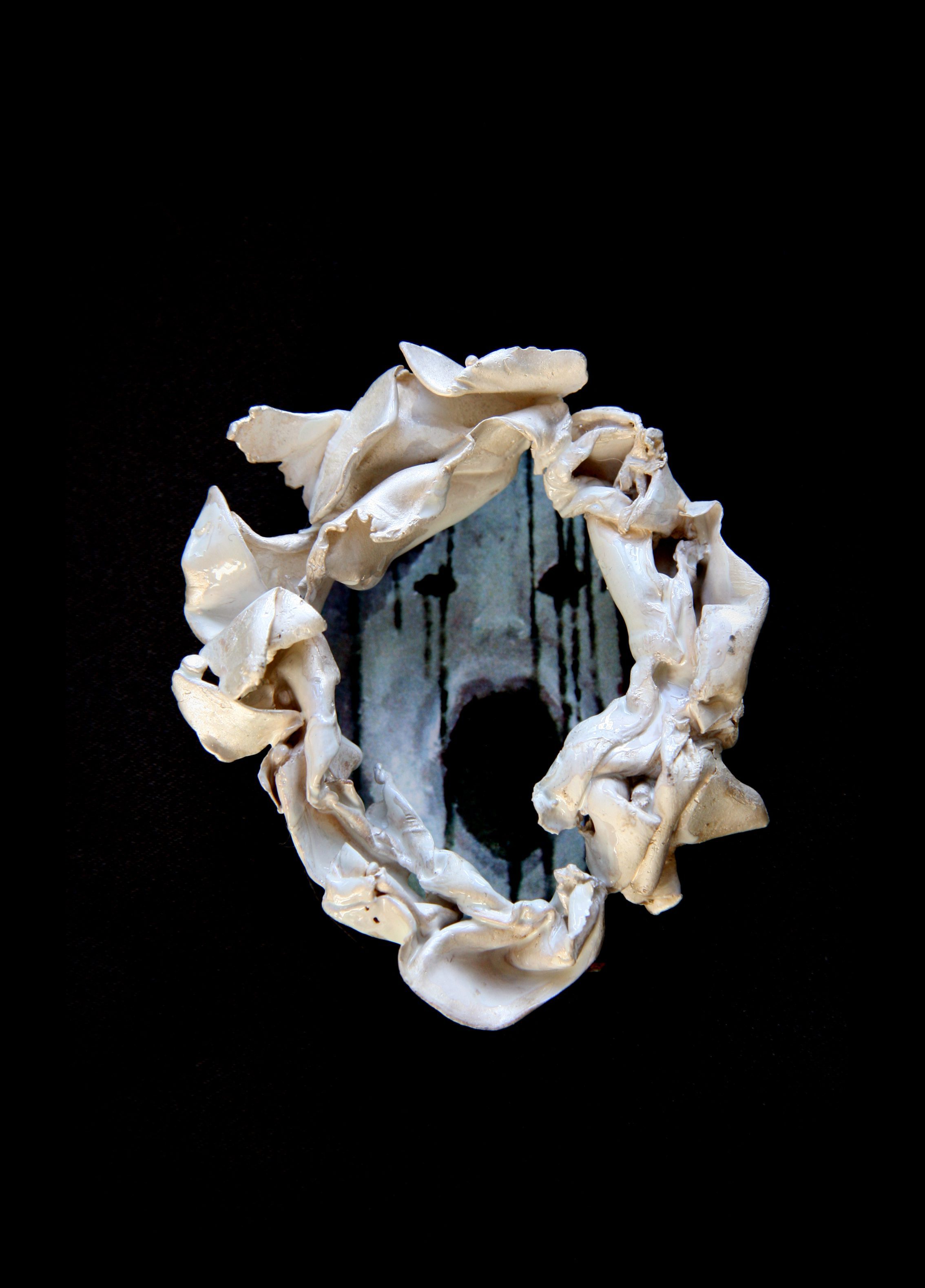
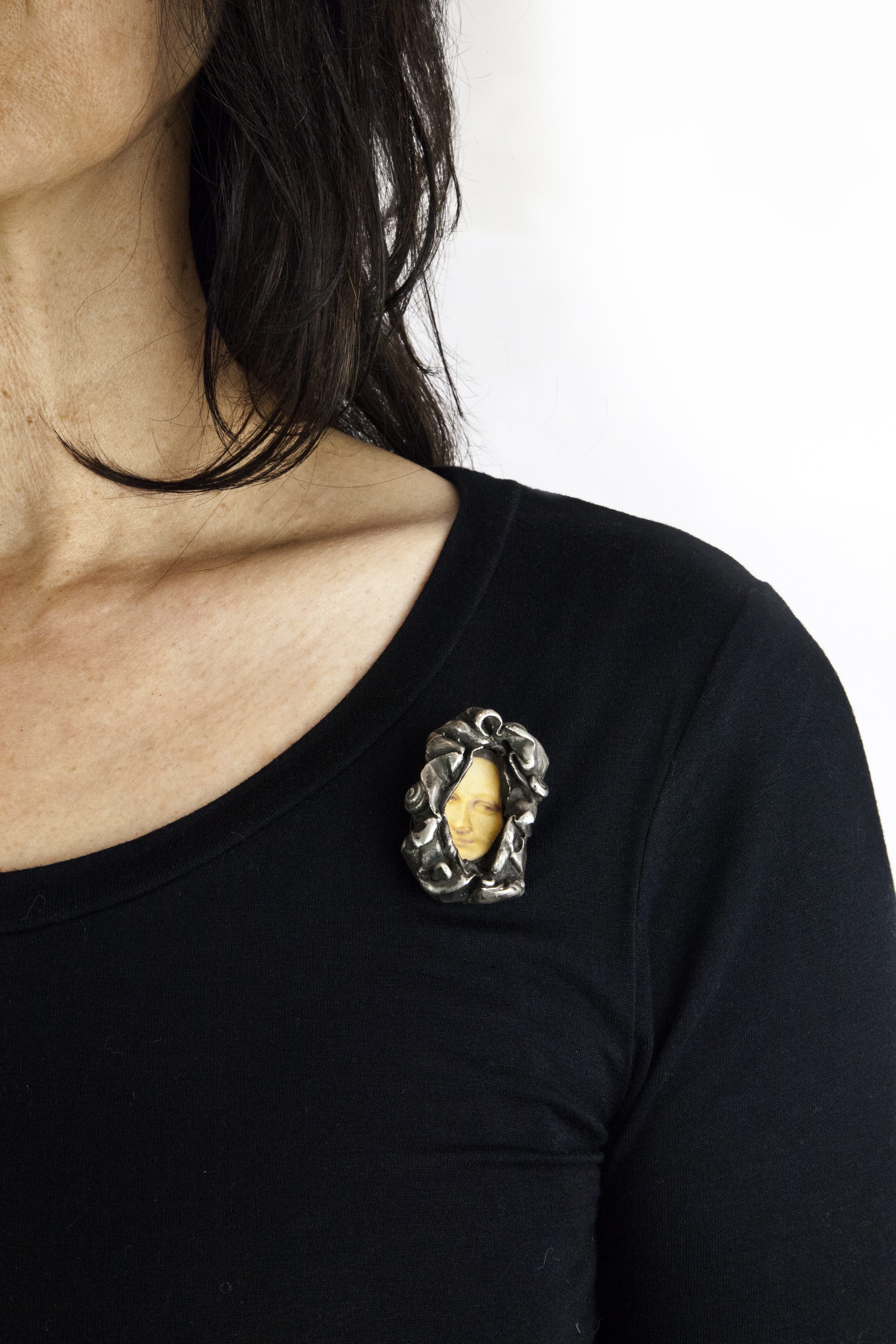
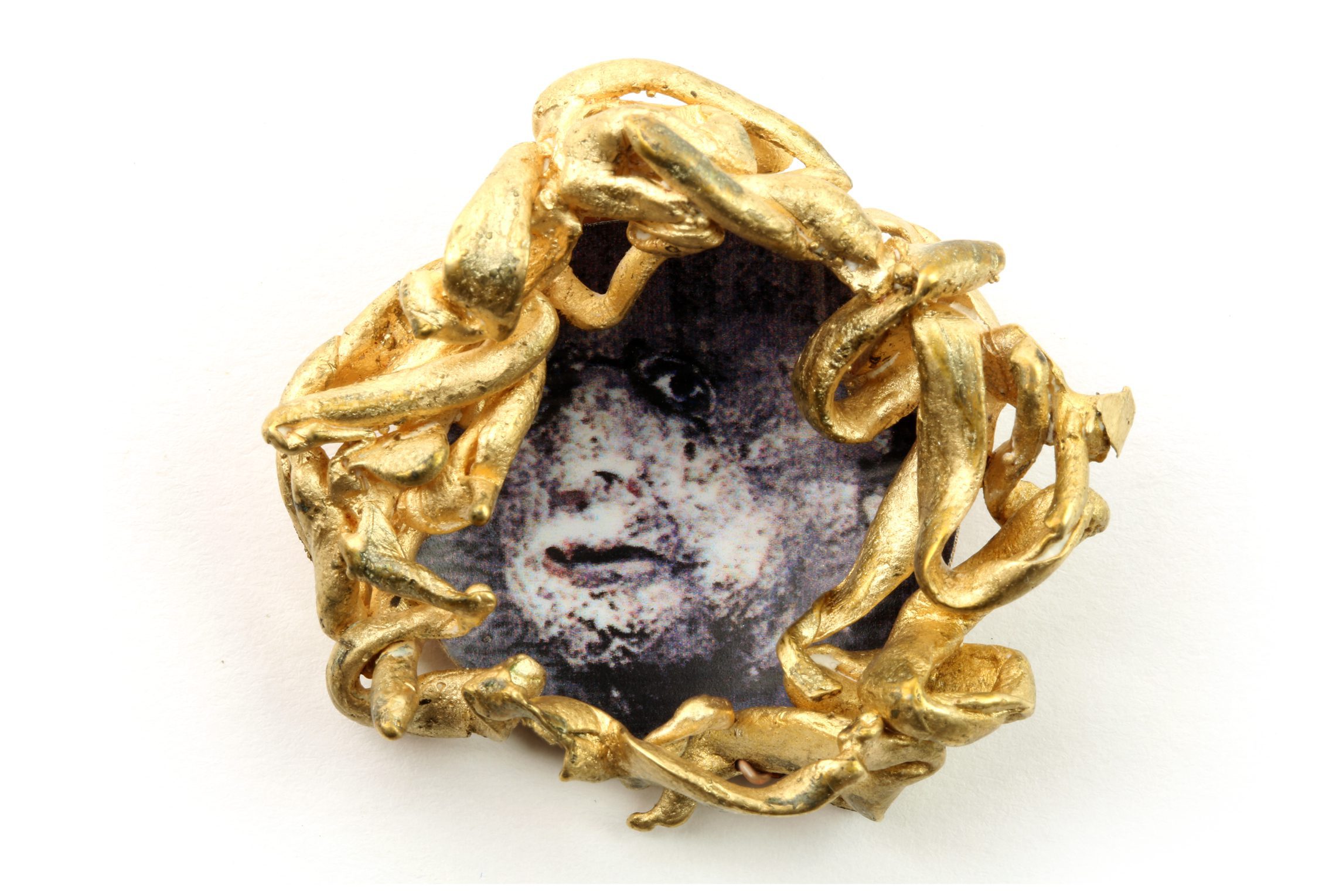
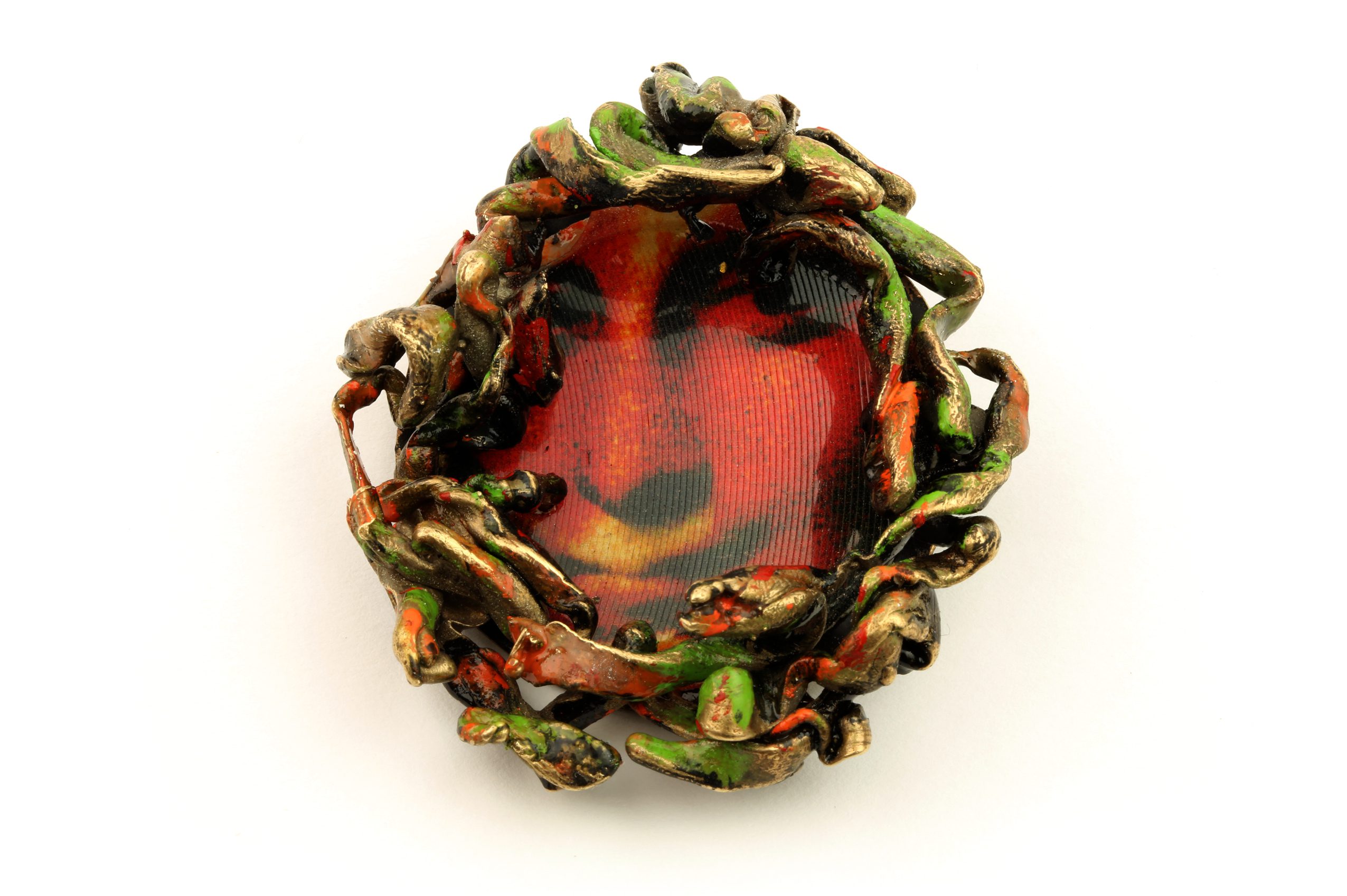
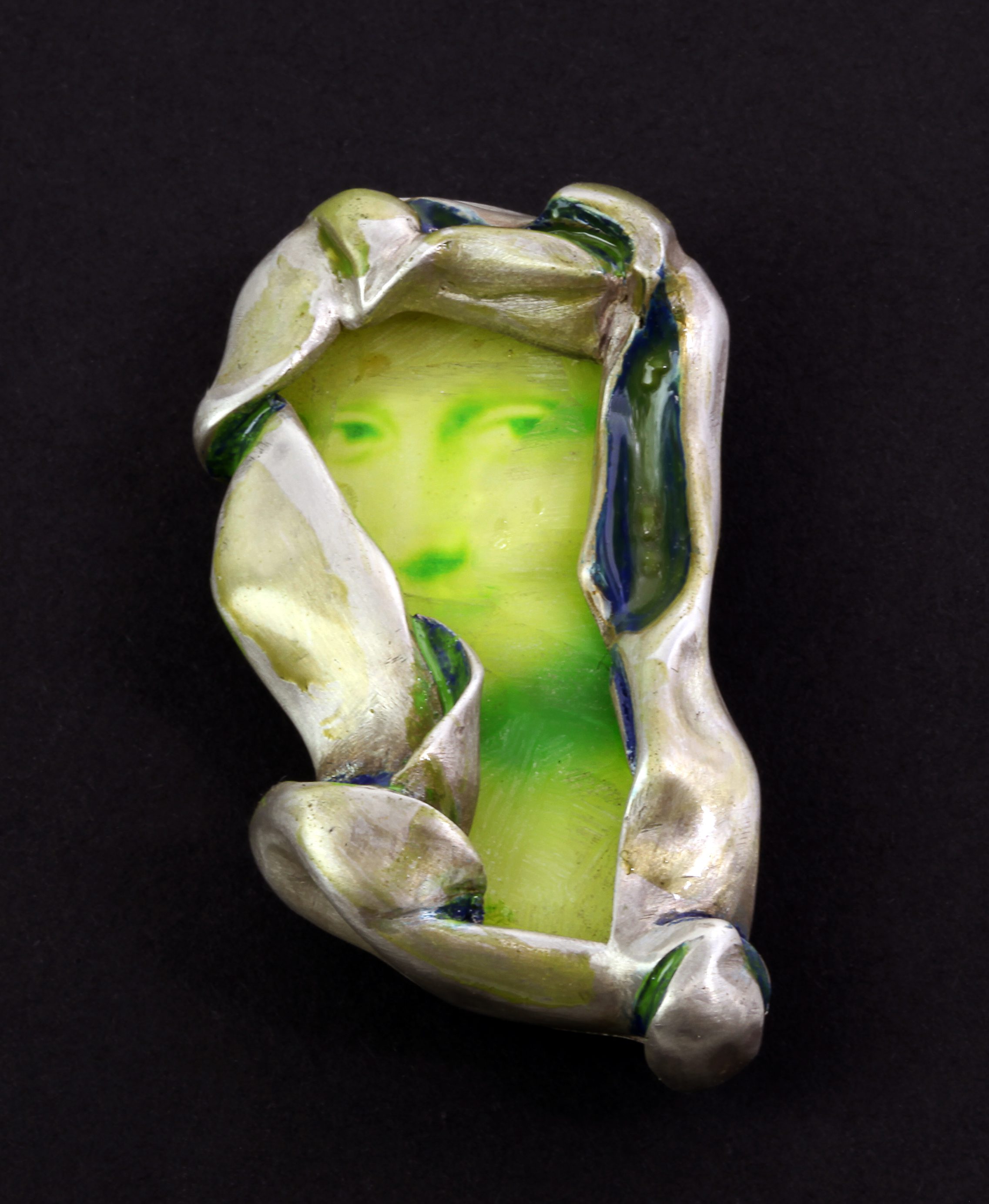
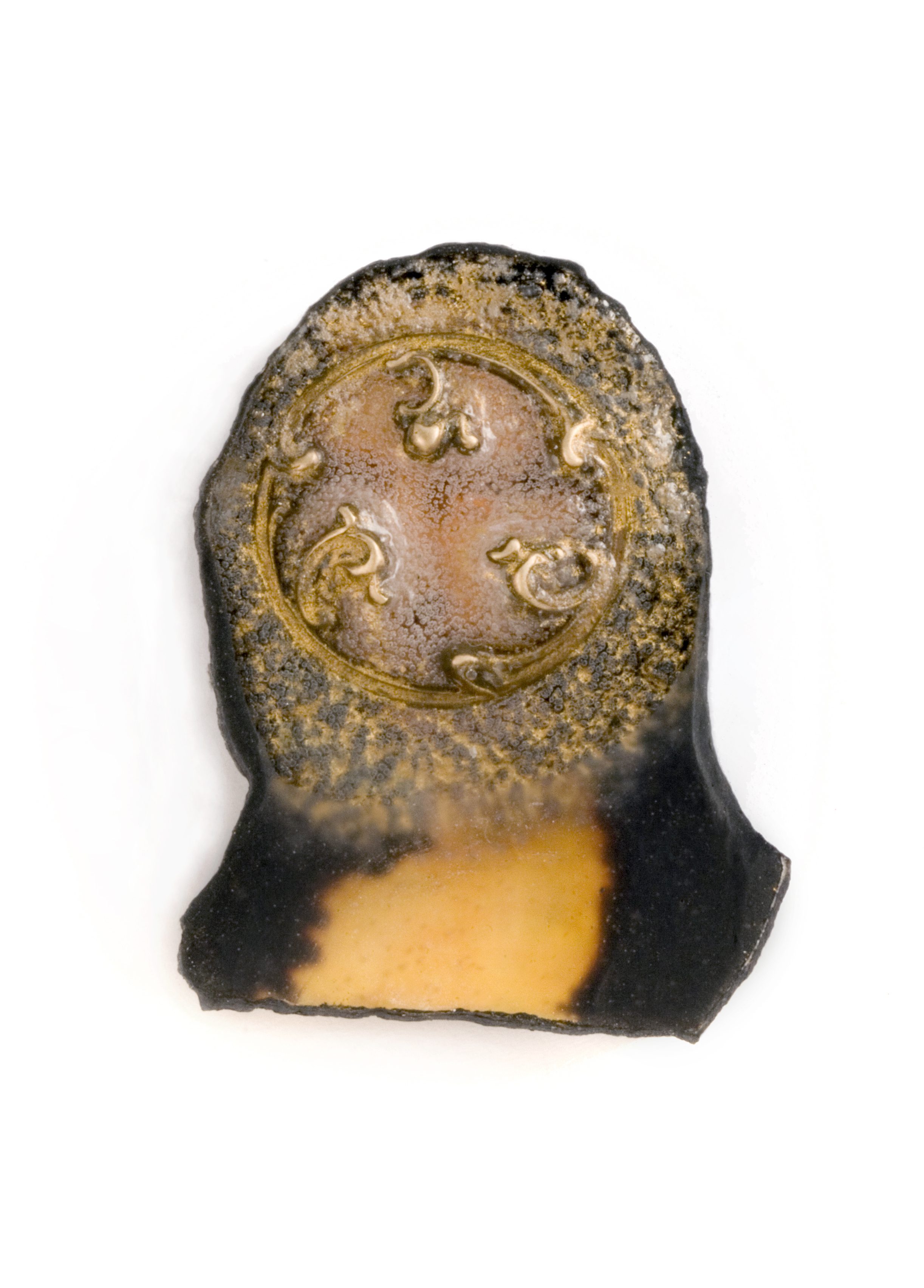
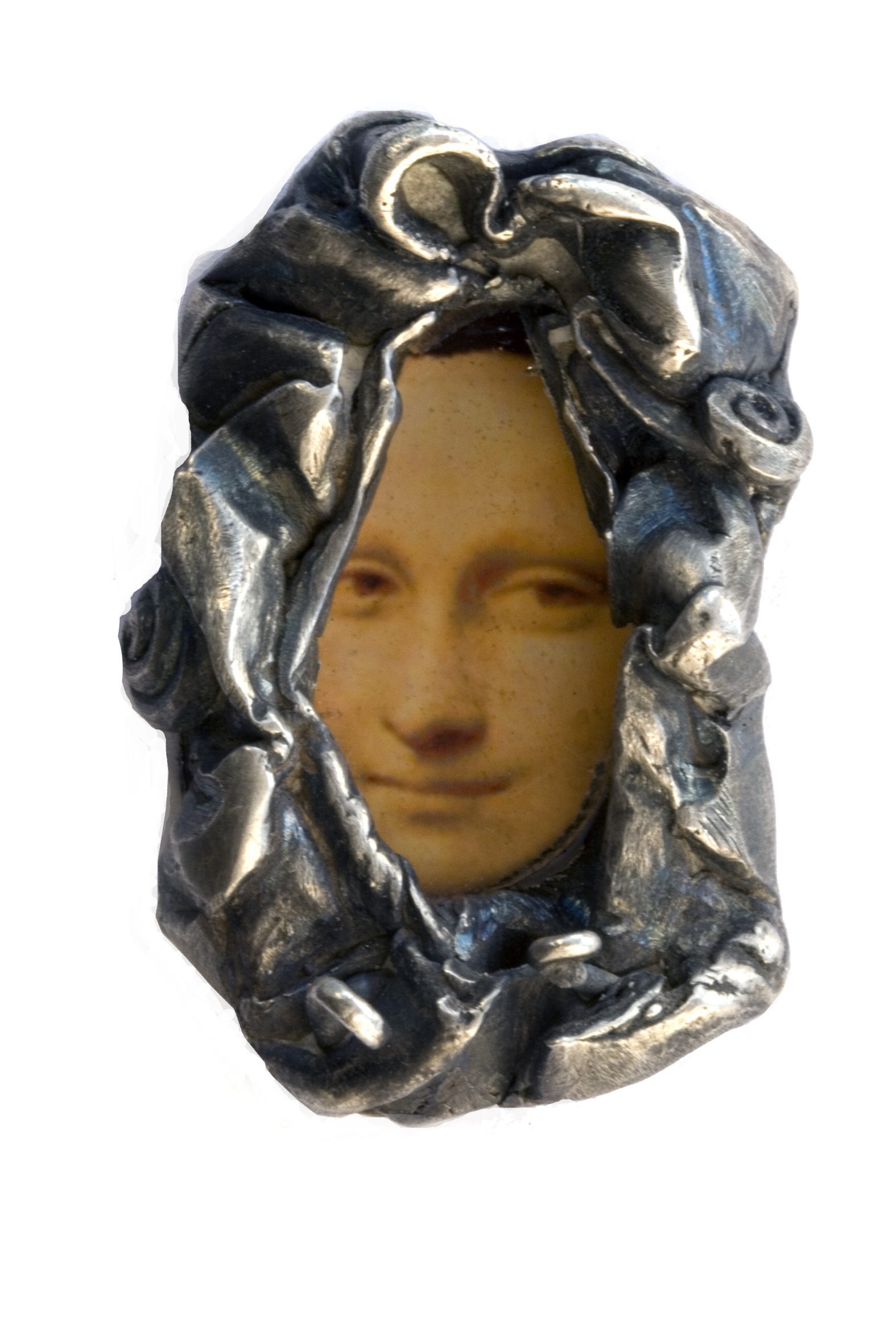
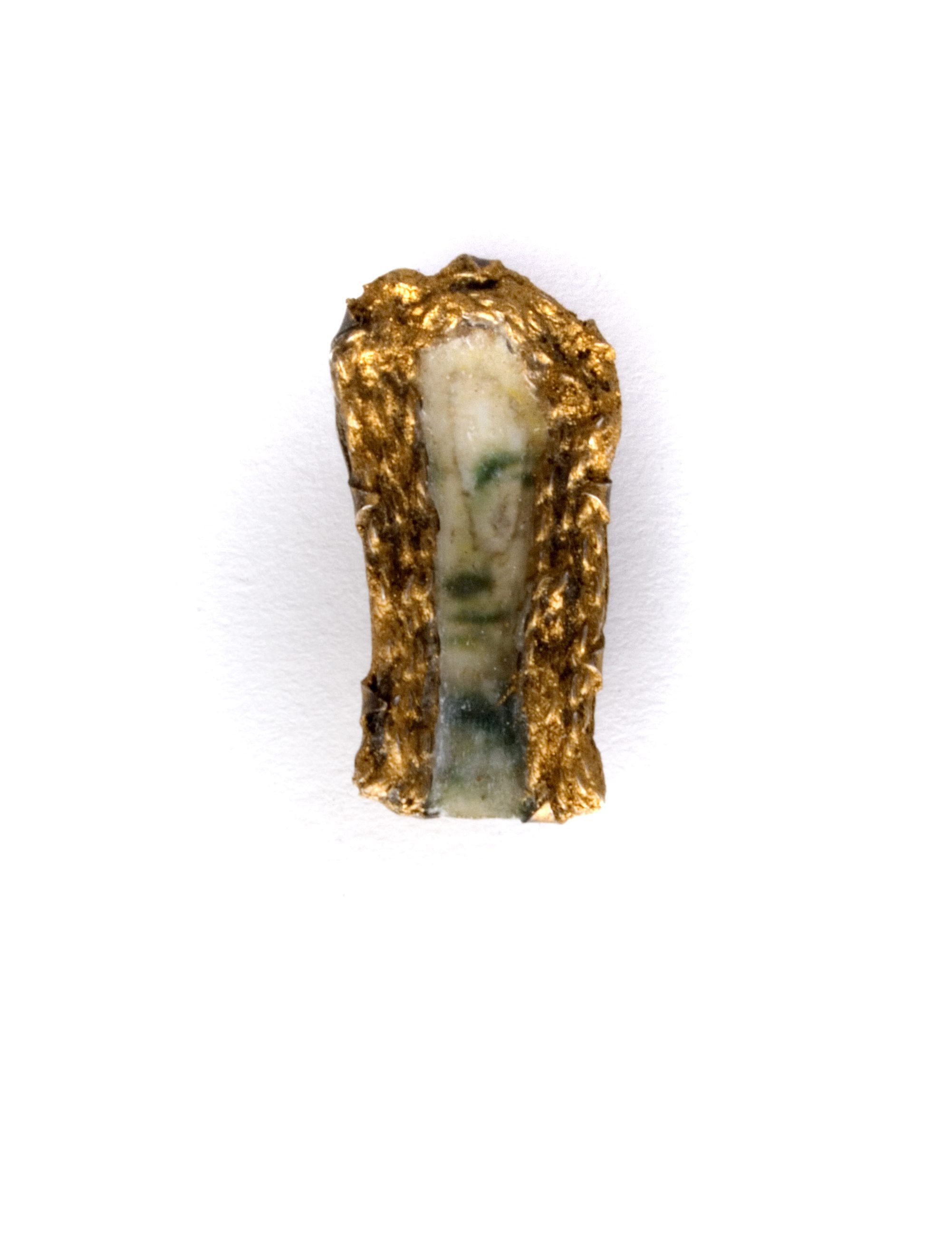
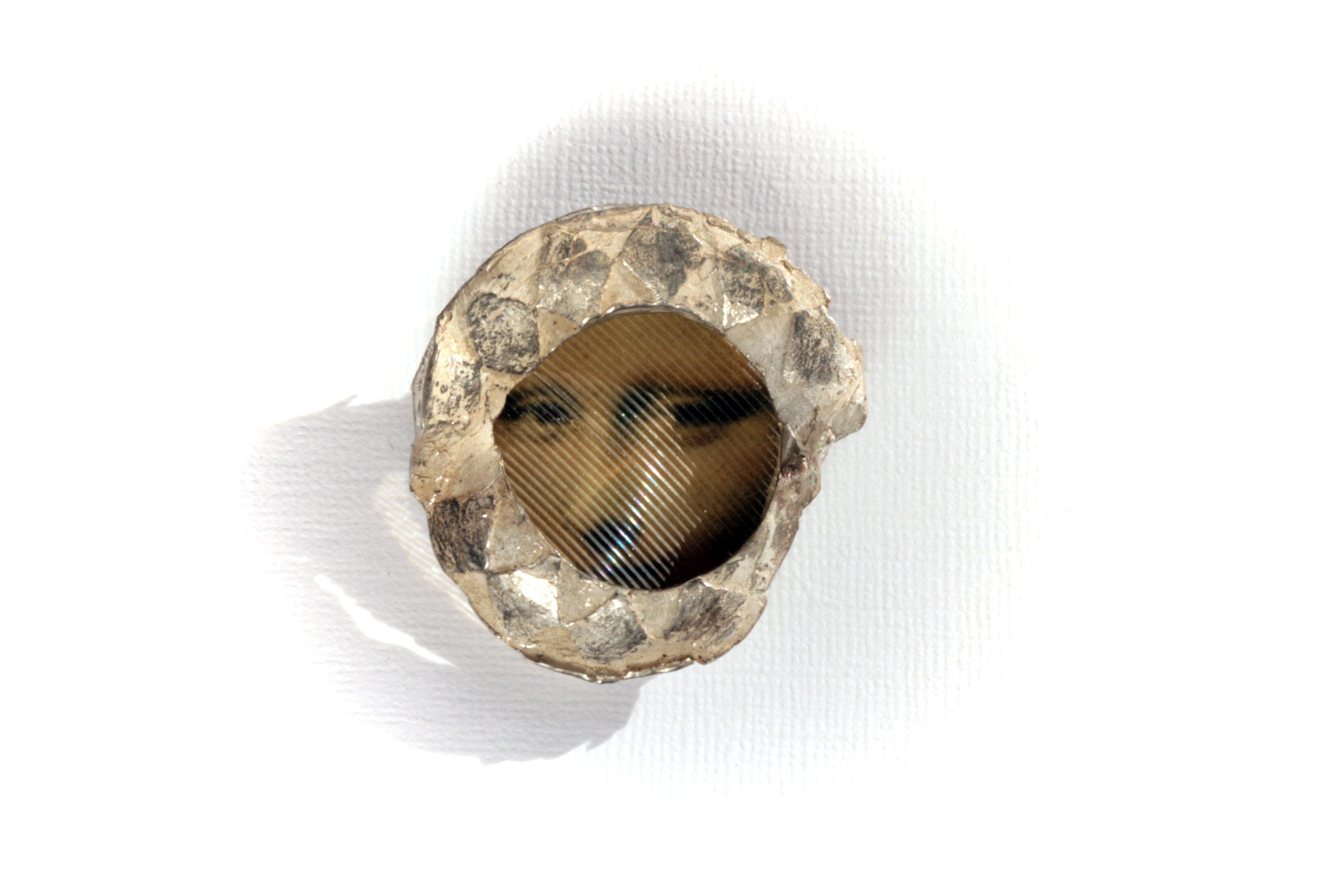
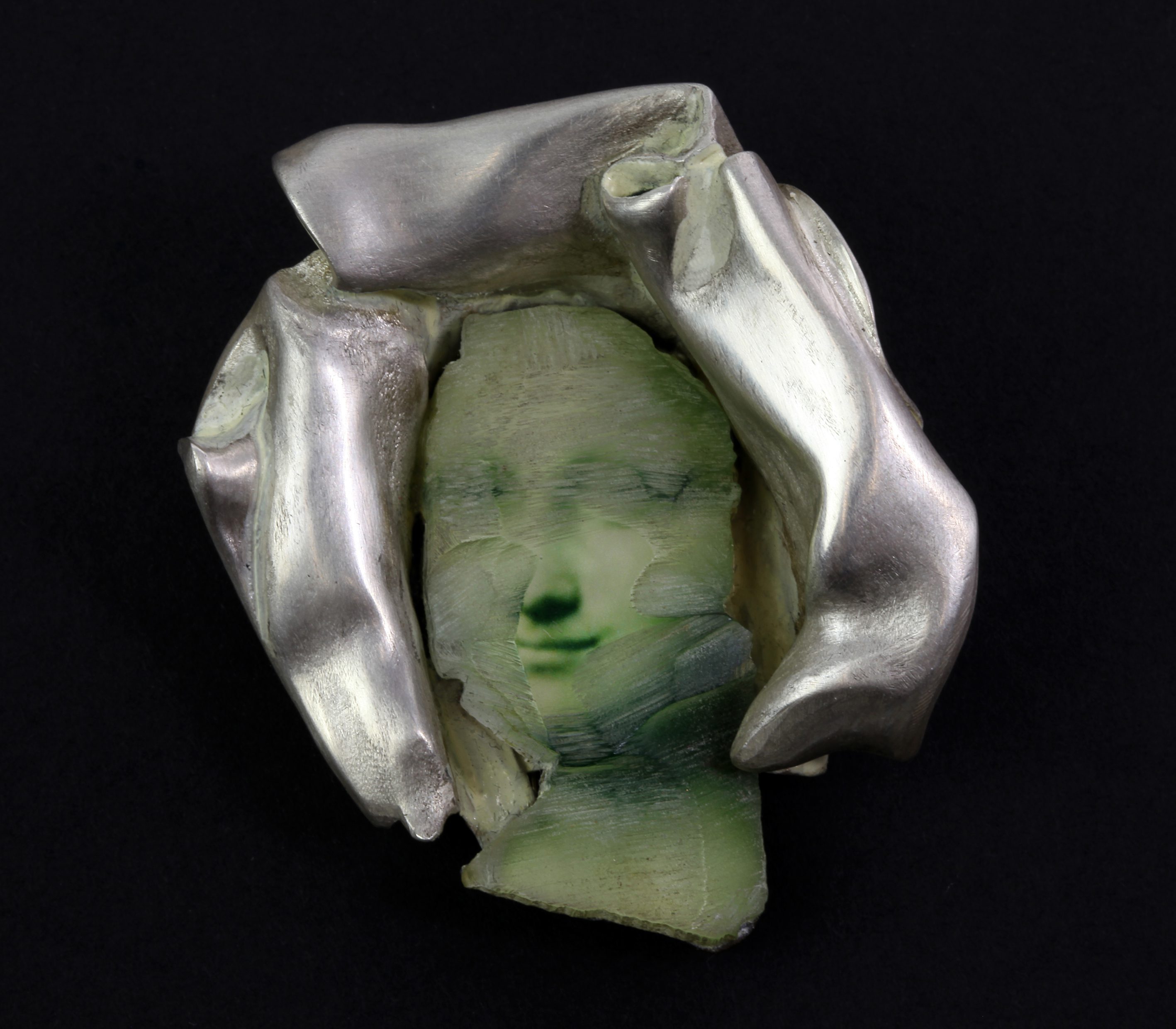
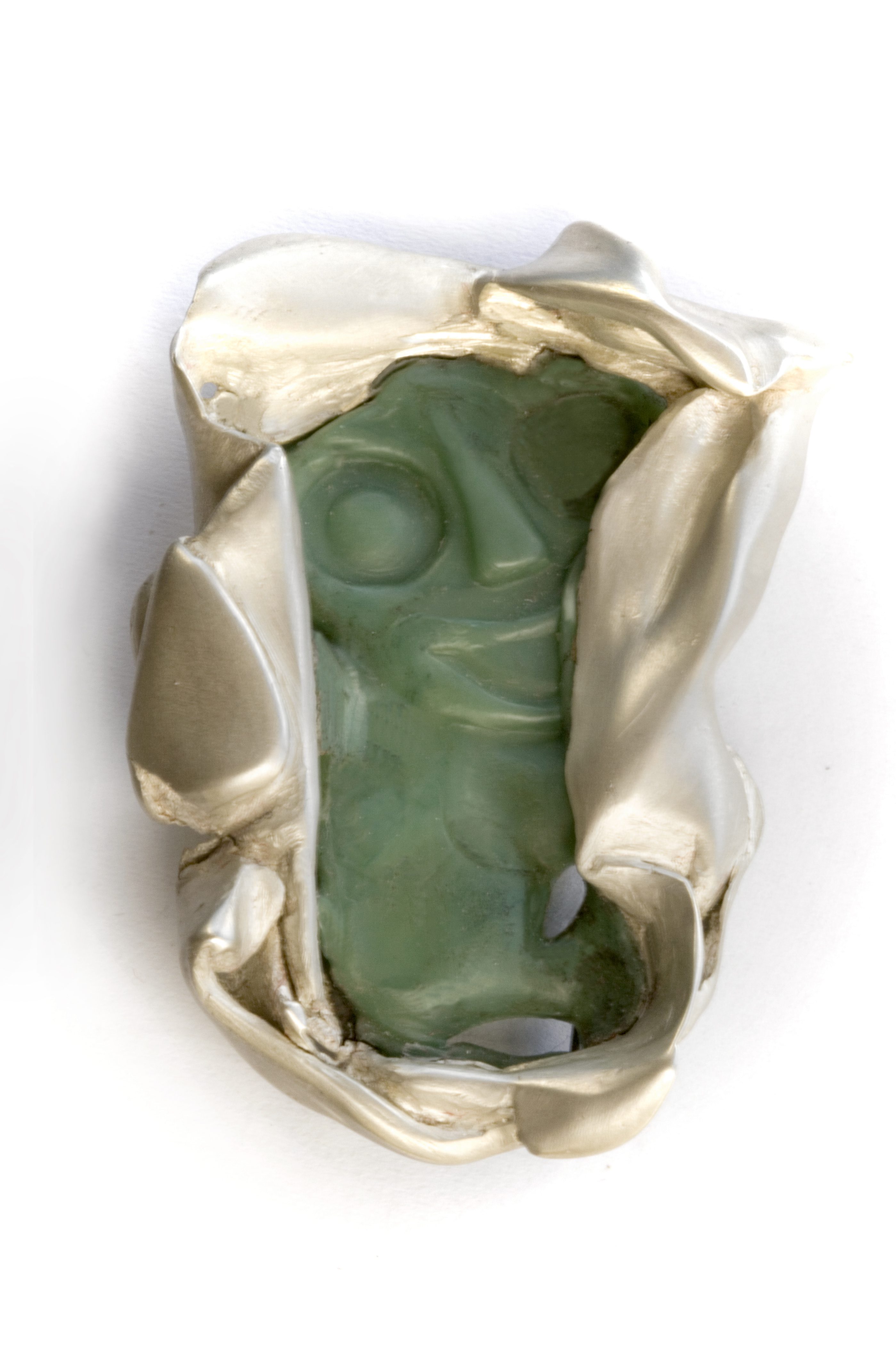
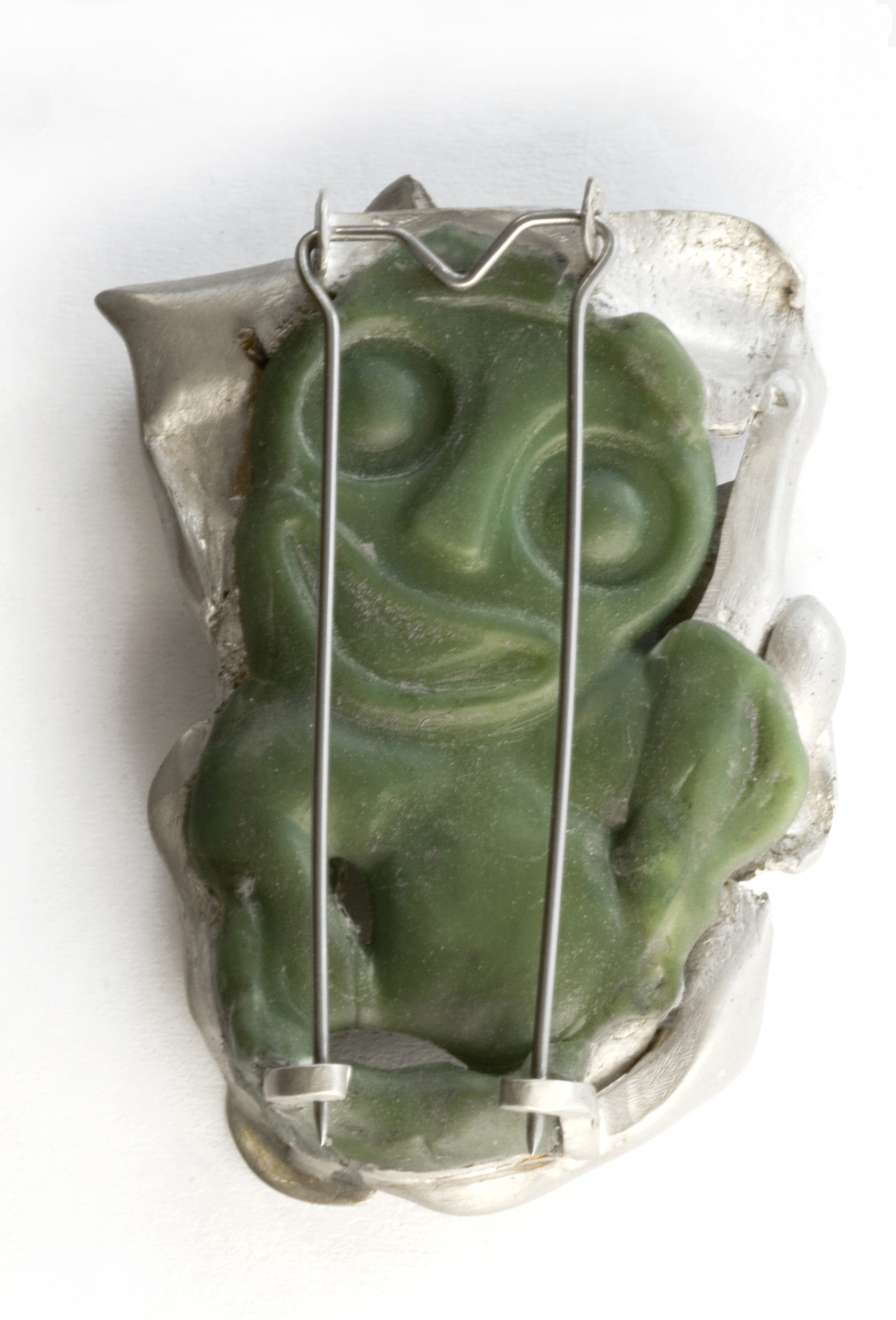
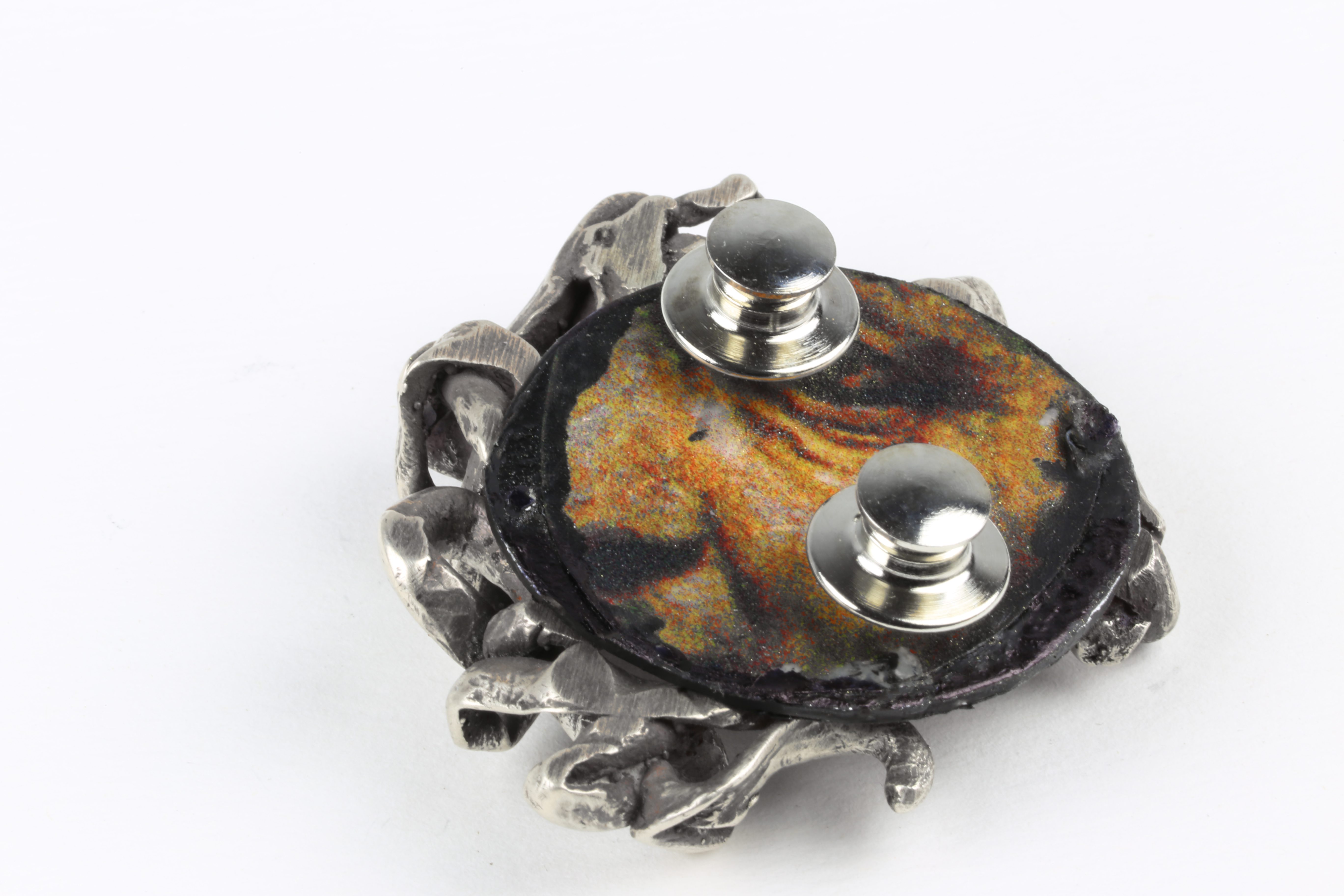
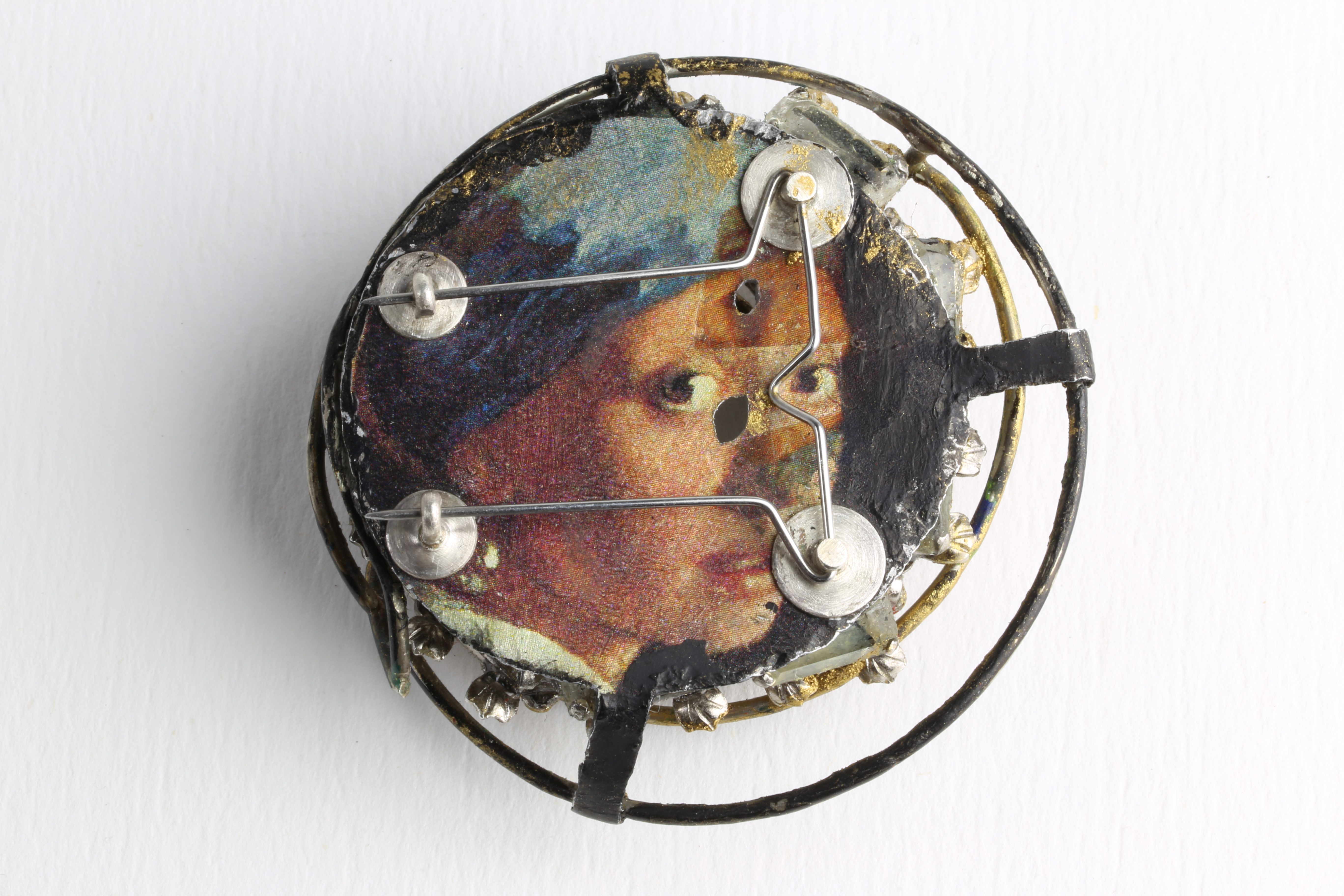
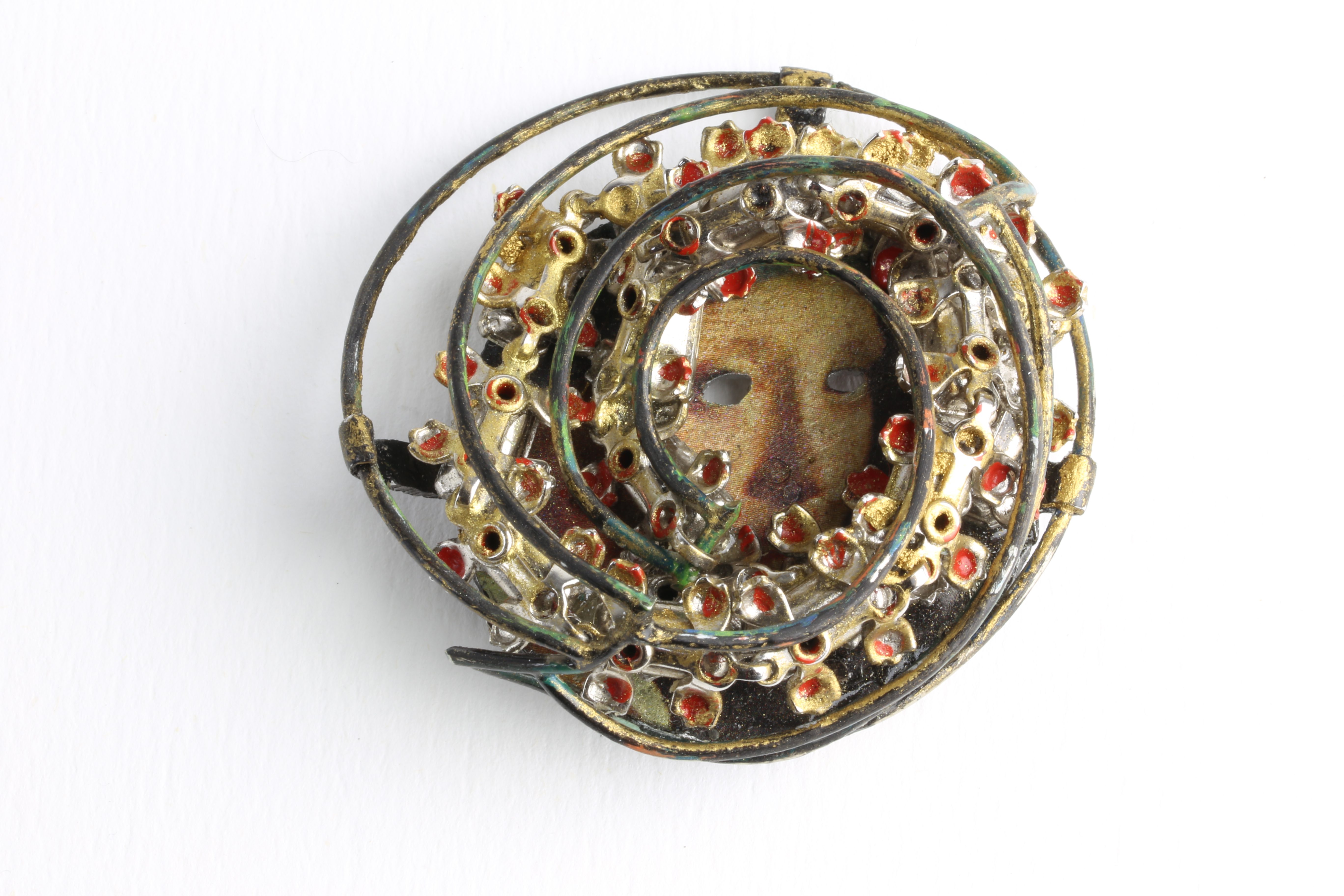
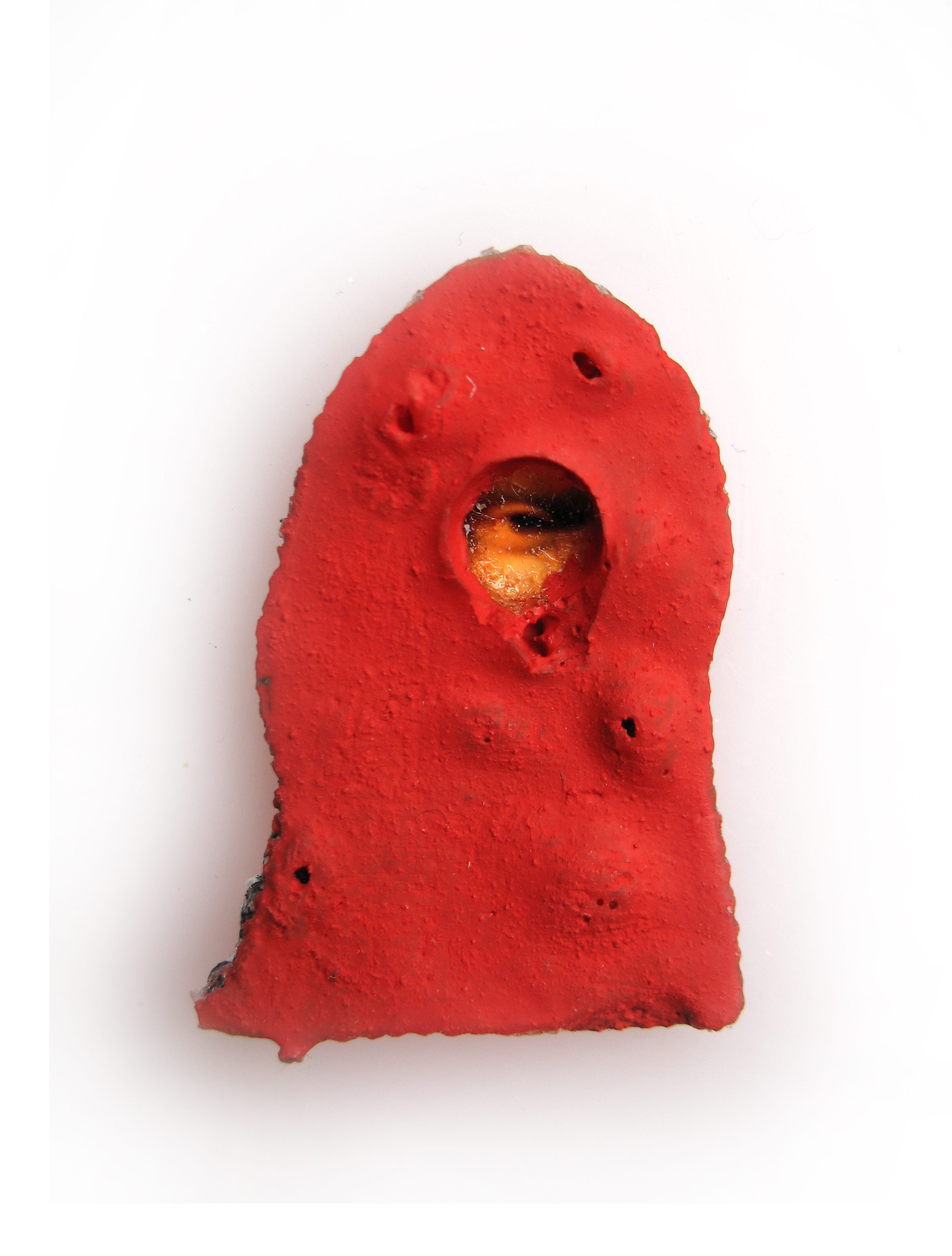
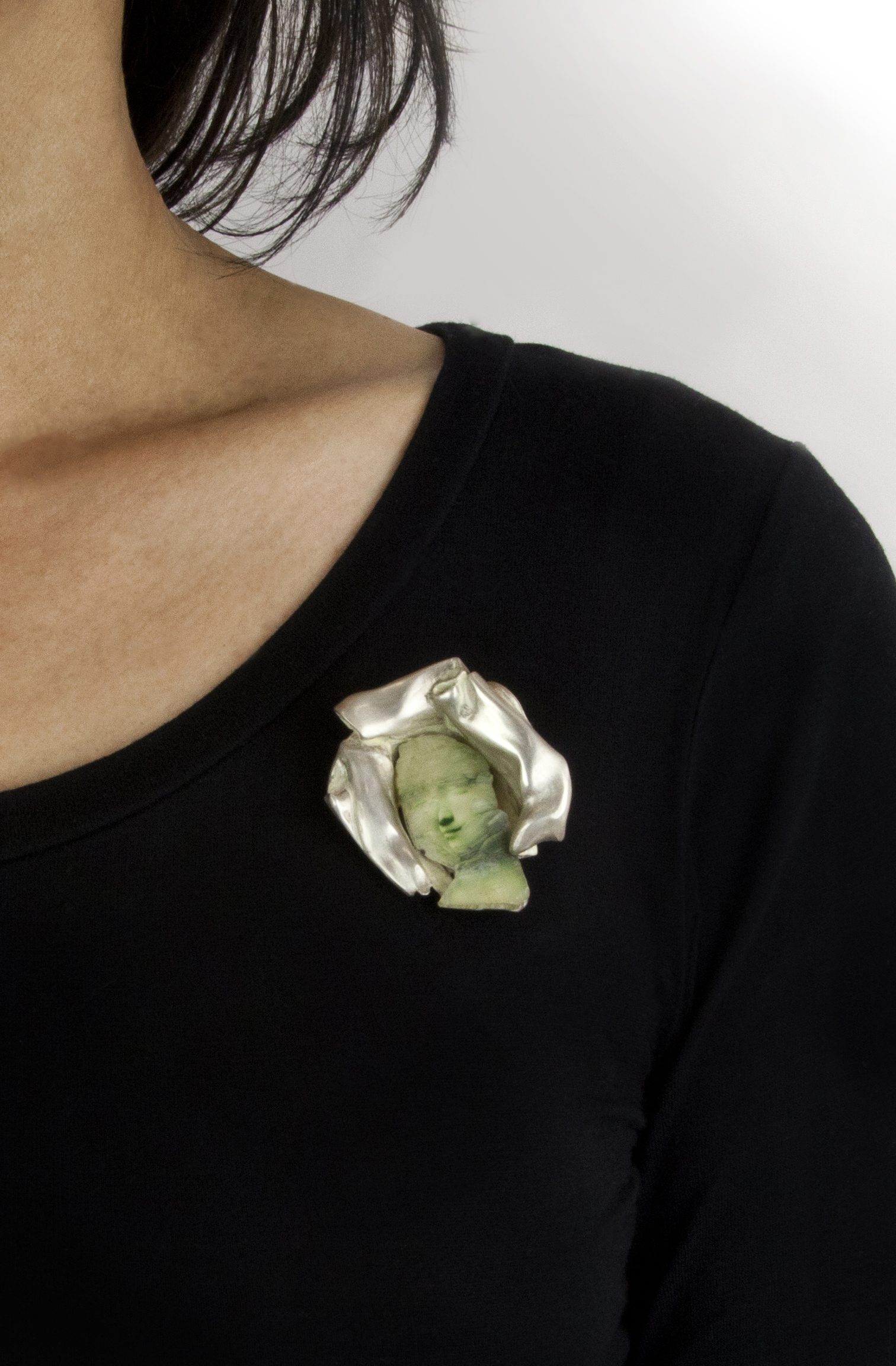
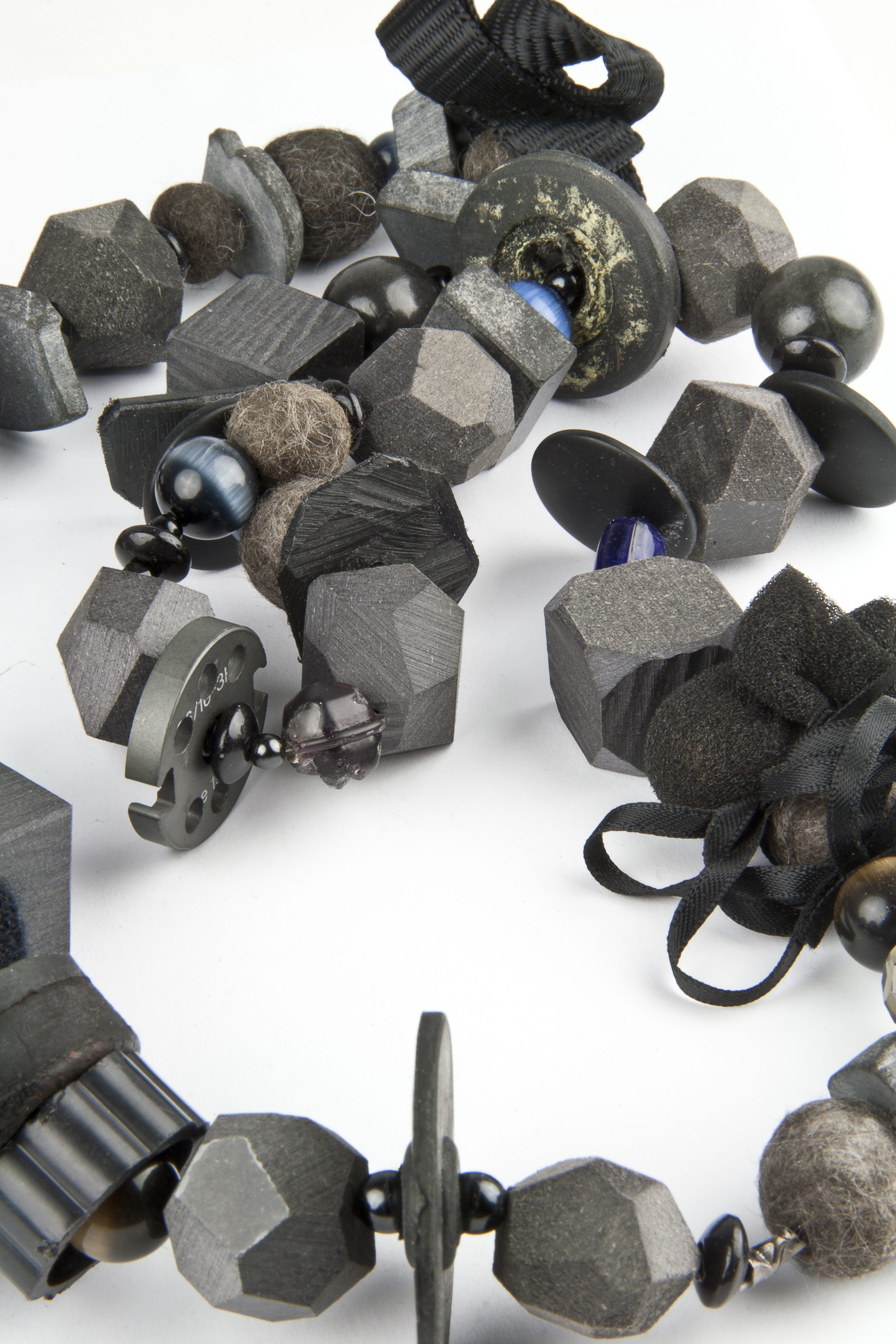
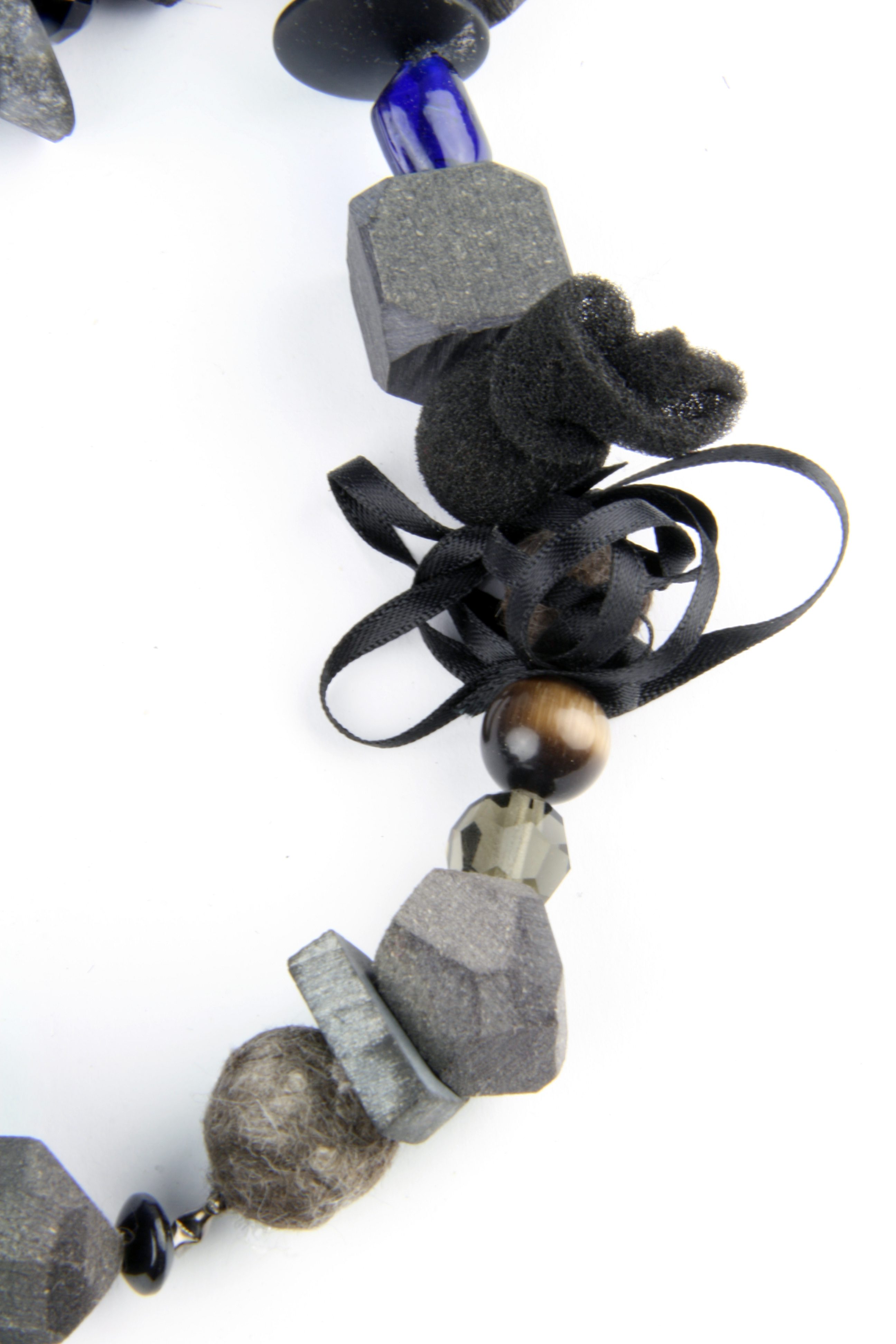
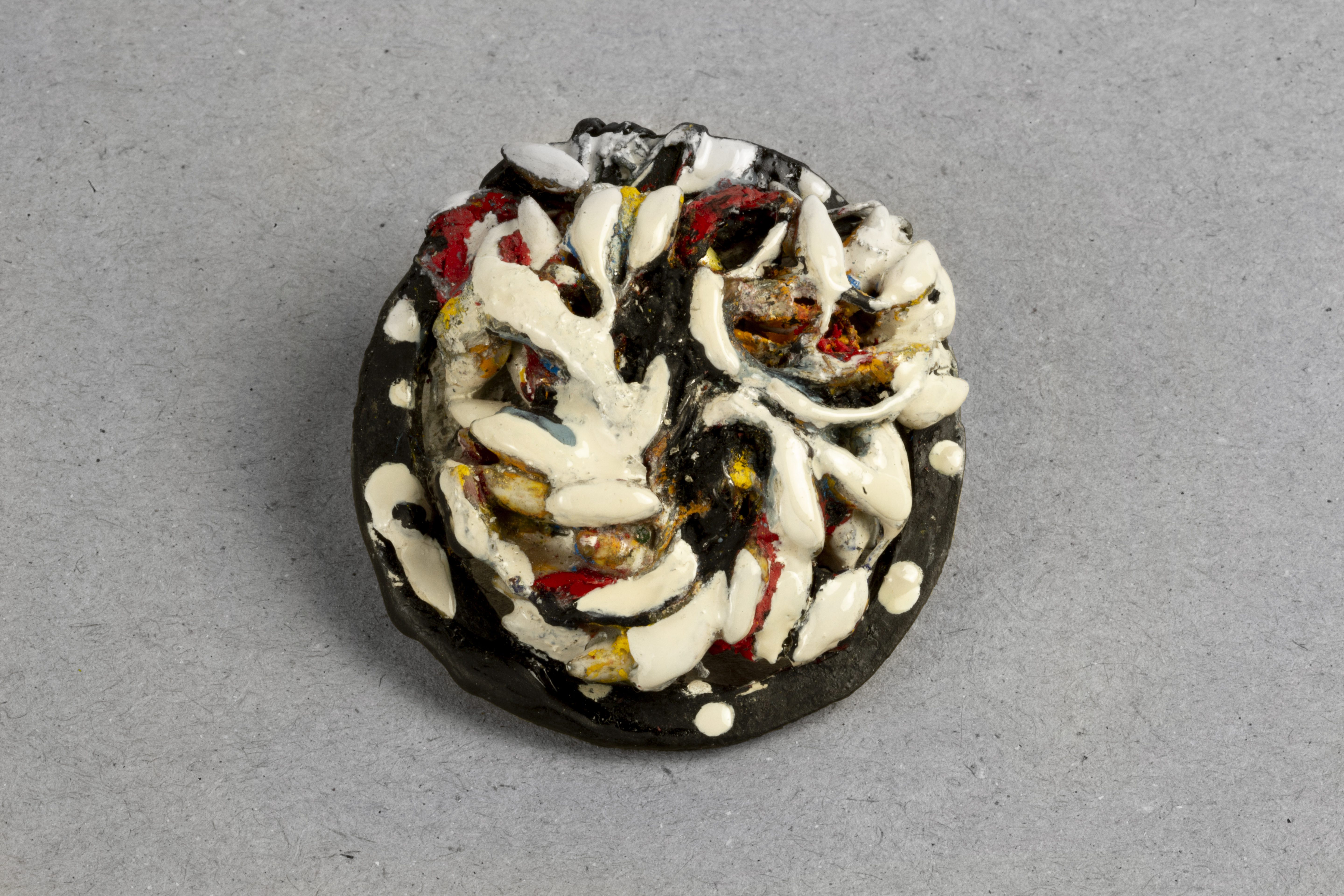
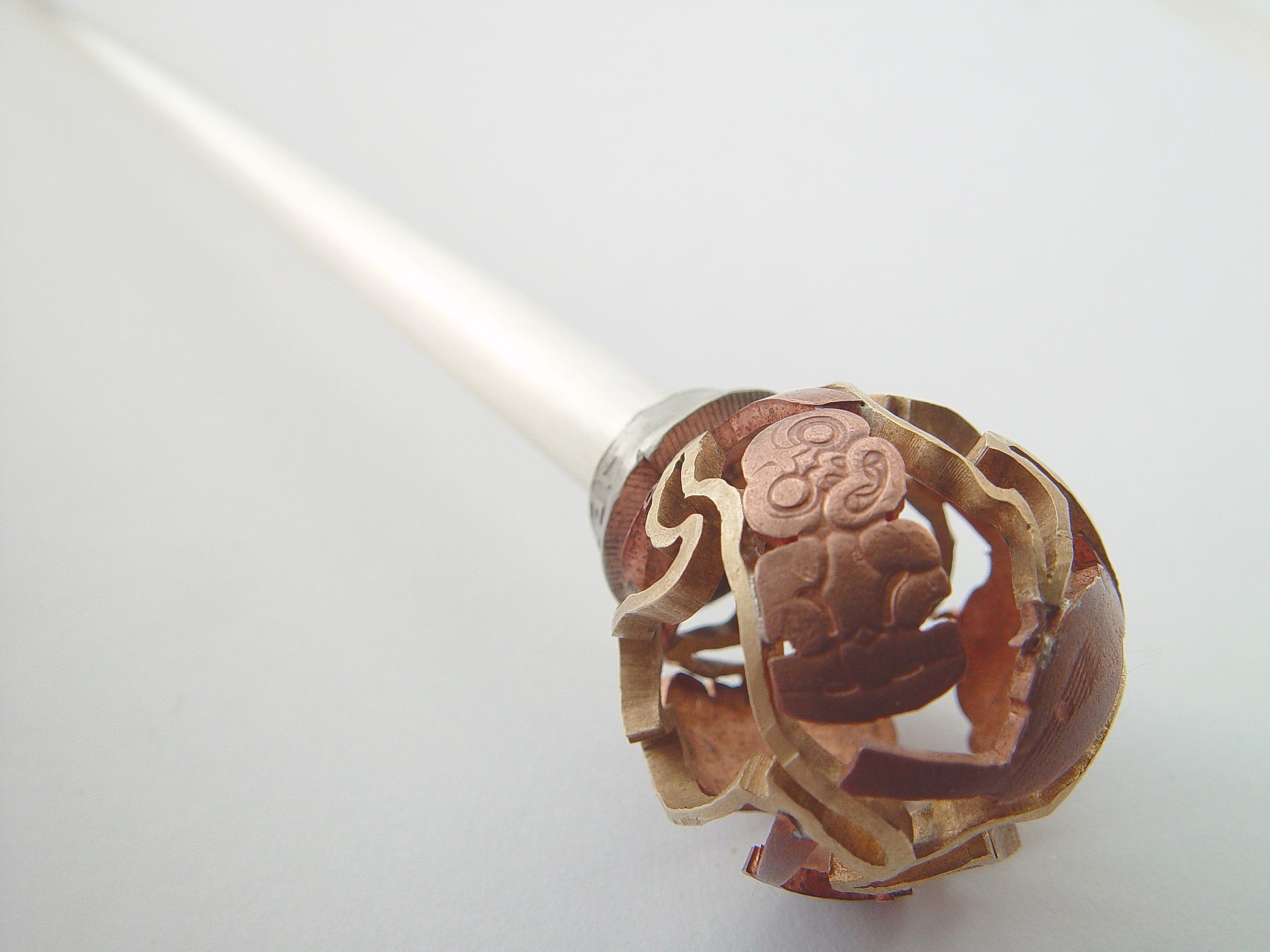
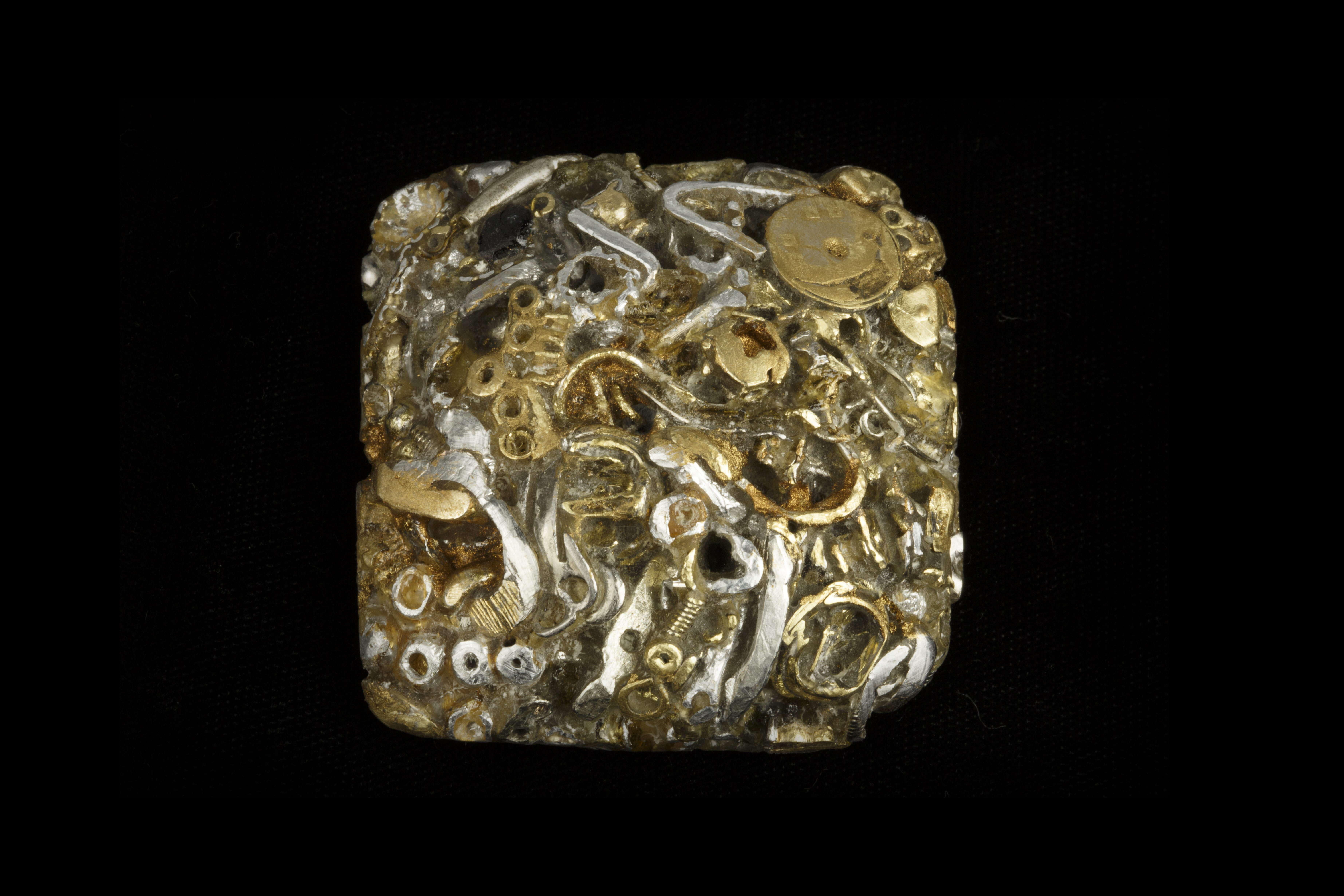
As a jewellery maker, I encounter these layers often. Precious metals and gemstones carry one kind of value; the stories people attach to them carry another. Increasingly, I work with discarded or humble materials, adding value through attention, skill, and imagination. When something overlooked begins to feel precious, it shows that its value is looped between transformations of perception built from historical placement, experiences of time, design acceptances, between maker and wearer, between object and story, between material and meaning.
Value takes shape in the space between us and the things we hold.
It is a shared act of recognition — a convergence of loops.
And when those loops align, worth becomes visible.