The Real Meaning of Value
Matters of Wealth
If wealth defines value, what defines true wealth?
In today’s world, many equate value with money.
The presence or absence of financial resources significantly shapes our lives. This influence can profoundly affect our opportunities, lifestyles, and even our definitions of success. Consequently, it often leads to the misconception that wealth equates to true value. This self-perpetuating system reinforces disparities; in the pursuit of financial gain, someone or something always suffers losses. In this context, profit and success often come at the expense of others or the environment, creating a cycle of inequality and depletion on a global scale.
The allure of the asteroid Psyche 16 exemplifies this flawed perception, as it is said to contain enough precious metals to make everyone on Earth a billionaire. However, if everyone were to become a billionaire, then the term ‘billionaire’ would lose its meaning, revealing an important truth: when something is abundant, we often fail to appreciate its value.
This misconception extends to our most basic necessities—air, water, food, shelter, and a stable environment. We often take these essentials for granted, assuming they are endlessly available. But what happens when these resources are threatened by climate change and pollution, whether man-made or natural?
Globally, we have faced extreme weather, droughts, floods, fires, food shortages, and polluted air and water. These events challenge the very foundations of our lives. How do we value these essentials when their abundance is threatened and can no longer be taken for granted?
For those with financial means, life often feels like a game played with relative ease, filled with comforts and luxuries. This narrative of wealth distorts our perceptions, fostering behaviours such as greed and the desire for power. What is the true value of this? Surely, it cannot be solely about accumulating more. What deeper connection can we seek that compensates for or is seen as more valuable?
Conversely, those without substantial resources must prioritise basic survival—air, water, food, shelter, and safety. This often clarifies what is truly essential for survival.
The luck of birth further complicates this landscape. Those born into privileged societies often enjoy luxuries without a second thought, while others face significant challenges, including drought, fire, food shortages, pollution, war, suppression, and unsafe environments—issues frequently exacerbated by the actions of wealthier nations. These global dynamics are reaching a breaking point, compelling us to rethink what true value looks like. Indeed, having more does not necessarily equate to better, but can we define what true value genuinely means?
It is a fact that true value lies in the fundamental necessities that sustain life and provide a sense of purpose and happiness. Air, water, food, shelter, and the intangible elements of protection, peace, and individual freedom are the building blocks of a meaningful life. Without air, we cannot breathe; without water, we cannot survive; without food, our health declines; without shelter, we lack security; without protection, peace, and freedom, our quality of life diminishes. Each of these elements is vital, and their absence profoundly impacts human existence.
Despite this understanding, confusion persists. The prevailing Western mantra suggests that value is synonymous with having more money, material wealth, and better homes. But is a luxurious lifestyle filled with hot tubs and champagne truly the answer?
The essence of value lies in recognising and nurturing these fundamental necessities. While certain material wealth can enhance life, it is the basic elements of existence that sustain us. True value is about finding balance and fostering meaningful connections that align us with ourselves and our surroundings. This balance feels increasingly threatened today.
The psychology of how we assign value is deeply rooted in societal norms and structures. For example, a CEO is often seen as more valuable than a cleaner, despite the cleaner’s crucial role in maintaining a functional environment. This disparity in perceived value stems from a societal emphasis on financial success and power. The cleaner’s work is essential for the CEO’s productivity, yet the value assigned to their respective roles is vastly different. This illustrates how society often undervalues essential, yet less glamorous, roles.
We must acknowledge that true value transcends financial wealth and should encompass sustainability, ethical practices, meaningful human connections, environmental awareness, and compassion for all living beings, including animals and plants. Now more than ever, we should appreciate the true value that remains and take necessary steps to ensure its preservation for future generations. This requires leaders with knowledge, foresight, strategy, and vision.
Why, then, is such a straightforward conclusion not valued as it should be?
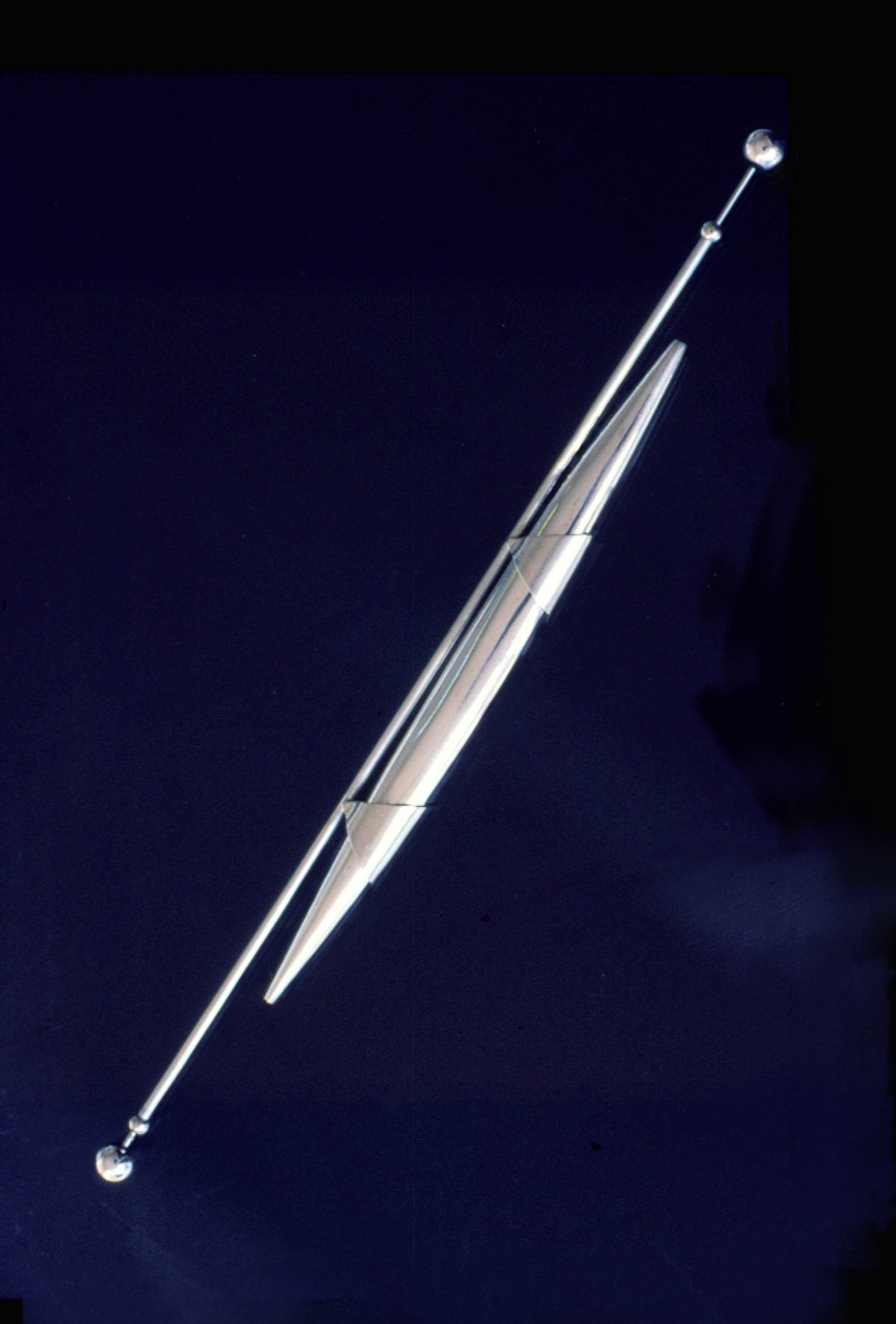
Word-Leaders Trust, 1988, lapel-pin, st silver
In today’s world, many equate value with money.
The presence or absence of financial resources significantly shapes our lives. This influence can profoundly affect our opportunities, lifestyles, and even our definitions of success. Consequently, it often leads to the misconception that wealth equates to true value. This self-perpetuating system reinforces disparities; in the pursuit of financial gain, someone or something always suffers losses. In this context, profit and success often come at the expense of others or the environment, creating a cycle of inequality and depletion on a global scale.
The allure of the asteroid Psyche 16 exemplifies this flawed perception, as it is said to contain enough precious metals to make everyone on Earth a billionaire. However, if everyone were to become a billionaire, then the term ‘billionaire’ would lose its meaning, revealing an important truth: when something is abundant, we often fail to appreciate its value.
This misconception extends to our most basic necessities—air, water, food, shelter, and a stable environment. We often take these essentials for granted, assuming they are endlessly available. But what happens when these resources are threatened by climate change and pollution, whether man-made or natural?
Globally, we have faced extreme weather, droughts, floods, fires, food shortages, and polluted air and water. These events challenge the very foundations of our lives. How do we value these essentials when their abundance is threatened and can no longer be taken for granted?
For those with financial means, life often feels like a game played with relative ease, filled with comforts and luxuries. This narrative of wealth distorts our perceptions, fostering behaviours such as greed and the desire for power. What is the true value of this? Surely, it cannot be solely about accumulating more. What deeper connection can we seek that compensates for or is seen as more valuable?
Conversely, those without substantial resources must prioritise basic survival—air, water, food, shelter, and safety. This often clarifies what is truly essential for survival.
The luck of birth further complicates this landscape. Those born into privileged societies often enjoy luxuries without a second thought, while others face significant challenges, including drought, fire, food shortages, pollution, war, suppression, and unsafe environments—issues frequently exacerbated by the actions of wealthier nations. These global dynamics are reaching a breaking point, compelling us to rethink what true value looks like. Indeed, having more does not necessarily equate to better, but can we define what true value genuinely means?
It is a fact that true value lies in the fundamental necessities that sustain life and provide a sense of purpose and happiness. Air, water, food, shelter, and the intangible elements of protection, peace, and individual freedom are the building blocks of a meaningful life. Without air, we cannot breathe; without water, we cannot survive; without food, our health declines; without shelter, we lack security; without protection, peace, and freedom, our quality of life diminishes. Each of these elements is vital, and their absence profoundly impacts human existence.
Despite this understanding, confusion persists. The prevailing Western mantra suggests that value is synonymous with having more money, material wealth, and better homes. But is a luxurious lifestyle filled with hot tubs and champagne truly the answer?
The essence of value lies in recognising and nurturing these fundamental necessities. While certain material wealth can enhance life, it is the basic elements of existence that sustain us. True value is about finding balance and fostering meaningful connections that align us with ourselves and our surroundings. This balance feels increasingly threatened today.
The psychology of how we assign value is deeply rooted in societal norms and structures. For example, a CEO is often seen as more valuable than a cleaner, despite the cleaner’s crucial role in maintaining a functional environment. This disparity in perceived value stems from a societal emphasis on financial success and power. The cleaner’s work is essential for the CEO’s productivity, yet the value assigned to their respective roles is vastly different. This illustrates how society often undervalues essential, yet less glamorous, roles.
We must acknowledge that true value transcends financial wealth and should encompass sustainability, ethical practices, meaningful human connections, environmental awareness, and compassion for all living beings, including animals and plants. Now more than ever, we should appreciate the true value that remains and take necessary steps to ensure its preservation for future generations. This requires leaders with knowledge, foresight, strategy, and vision.
Why, then, is such a straightforward conclusion not valued as it should be?