
The Rise of Imitation: How the Illusory Replaces the Real
Encapsulating the Ever-blurring Line Between Reality and its Simulaca.
The Shadows of Reality
by PD
In his famous allegory of the cave, the ancient Greek philosopher Plato presents a compelling metaphor for the way humans perceive and understand reality. Plato imagines a group of people who have lived their entire lives chained inside a dark cave, facing a blank wall. Behind them, a fire burns, and between the fire and the prisoners is a walkway where objects are moved, casting shadows on the wall in front of the prisoners. These shadows constitute the only reality the prisoners know.
According to Plato, the shadows on the wall are mere imitations or representations of the true forms of objects, which exist outside the cave in the realm of reality. The prisoners, however, mistake these shadows for the actual objects, unaware of the deeper truths that lie beyond their limited perception. This allegory highlights how our understanding of reality can be distorted by relying solely on superficial representations and how true knowledge requires moving beyond these illusions to grasp the underlying essence of things.
In our contemporary world, the boundaries between what is genuine and what is imitation are becoming increasingly blurred. The allure of imitations, simulations, and knock-offs resonates strongly across various sectors, fuelled by diverse motivations that encompass ethical considerations, economic advantages, and a growing desire for accessibility.
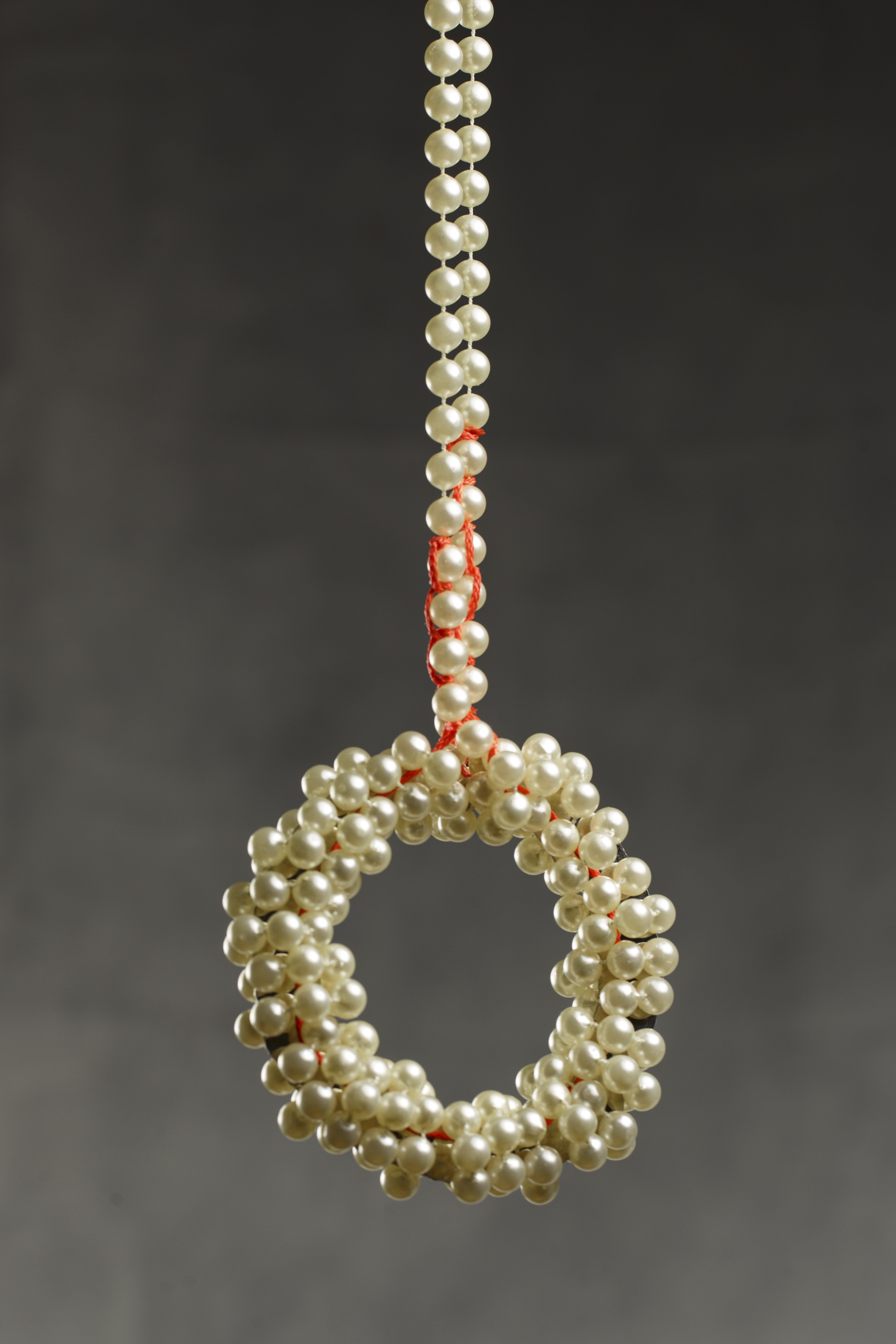
Historically, pearls were revered as luxury items, meticulously harvested from oysters in a process that often harmed these marine creatures. Pearls have a timeless elegance that transcends any specific comparison. They possess unique visual qualities and cultural significance.
In response to the ethical issues surrounding the traditional harvesting of pearls, the market has embraced imitation pearls. Initially, this began with cultured pearls, which are created by inserting a small bead or piece of tissue into an oyster or mollusc to encourage pearl formation. Later, this expanded to faux pearls crafted from materials such as glass, plastic, or nacre. These imitation pearls offer a cheap cruelty-free alternative, allowing makers like myself and consumers to enjoy beauty without moral dilemmas. This transition signifies a broader shift towards ethical practices in the fashion and jewellery industries, further exemplified by the rise of lab-grown pearls, which minimise the ecological footprint of conventional pearl farming. This shift is not embraced by the jewellery trade industry, or even the conetmporary jewellery practicioners.
The increasing reliance on simulations provides a compelling example of how the real is often supplanted by virtual alternatives. In critical fields such as medicine, aviation, and military training, simulations serve as invaluable educational tools. By leveraging advanced software and immersive virtual reality technologies, these simulations recreate intricate real-world scenarios, allowing individuals to learn and practise in a safe, controlled environment. This not only mitigates risks associated with real-life training but also represents a cost-effective solution compared to traditional methods.
In military contexts, the emergence of virtual warfare blurs the lines between reality and simulation. Operators control remote devices, such as drones, to engage targets from a distance, often creating a sense of detachment reminiscent of a video game experience. The ability to kill from afar provides a sense of control, with operators feeling empowered in their actions, similar to players in a virtual environment. This raises complex ethical questions about the nature of engagement and responsibility compared to soldiers on the ground who face the immediate consequences of their actions. The psychological impact of this detachment may desensitise individuals to the realities of warfare, complicating the moral landscape of military engagement.
In the medical field, the concept of placebo simulations adds another layer to the discussion of reality versus imitation. Placebos, by mimicking real treatments, demonstrate the power of belief and expectation in healing processes, challenging our understanding of what constitutes genuine medical intervention. These simulations contribute to the broader narrative of how imitations can impact perceptions and outcomes, making them a compelling case study in the ongoing exploration of what is truly real.
Moving from the realm of simulation to that of projecting culture, the issue of cultural appropriation plays a significant role in acknowledging authenticity. As elements of various cultures are adopted and adapted, the line between appreciation and appropriation can become blurred. While imitation can facilitate broader cultural exchange and understanding, it can also commodify cultural symbols, stripping them of their original significance. This raises ethical questions about who profits from cultural expressions and whether those who adopt these elements genuinely respect their origins. To combat this issue, the Māori have implemented a trademark plan designed to protect unique Māori designs from overseas producers who sell items claimed to be authentic. This initiative seeks to safeguard the cultural heritage and intellectual property of Māori artists, ensuring that any use of their designs is granted permission, is respectful, and acknowledges their origins.
When it comes to souvenirs, tourists are often drawn to items that exude authenticity, particularly those that embody unique cultural artefacts. However, many products marketed as “authentic” are mass-produced replicas created to meet high demand. These imitations enable travellers to bring home tangible reminders of their journeys without the steep costs or ethical dilemmas tied to genuine items. While some critics argue that choosing replicas diminishes the value of original cultural artefacts, others contend that it democratises access to cultural symbols, allowing a broader audience to appreciate diverse heritages. Additionally, these smaller, more portable souvenirs often serve as compact reminders of a place, encapsulating memories in a form that is easily shared.
In the fashion industry, imitation reigns supreme. High-end designer pieces are frequently replicated and sold at significantly lower prices in high-street stores. This accessibility allows consumers to participate in current fashion trends without the hefty financial burden often associated with luxury items. While this proliferation of knock-offs raises questions regarding intellectual property rights and the intrinsic value of originality, it challenges the exclusivity traditionally linked to high fashion, promoting a more inclusive marketplace.
Technological advances in scanning, prototyping, and robotics have further transformed the production of imitations and replicas, enabling the creation of cheaper, smaller, and potentially unique goods. These innovations allow for rapid design iterations and customisation, making it easier for manufacturers to produce tailored products that appeal to diverse consumer preferences. As a result, consumers can access high-quality imitations that closely resemble their authentic counterparts, often at a fraction of the cost.
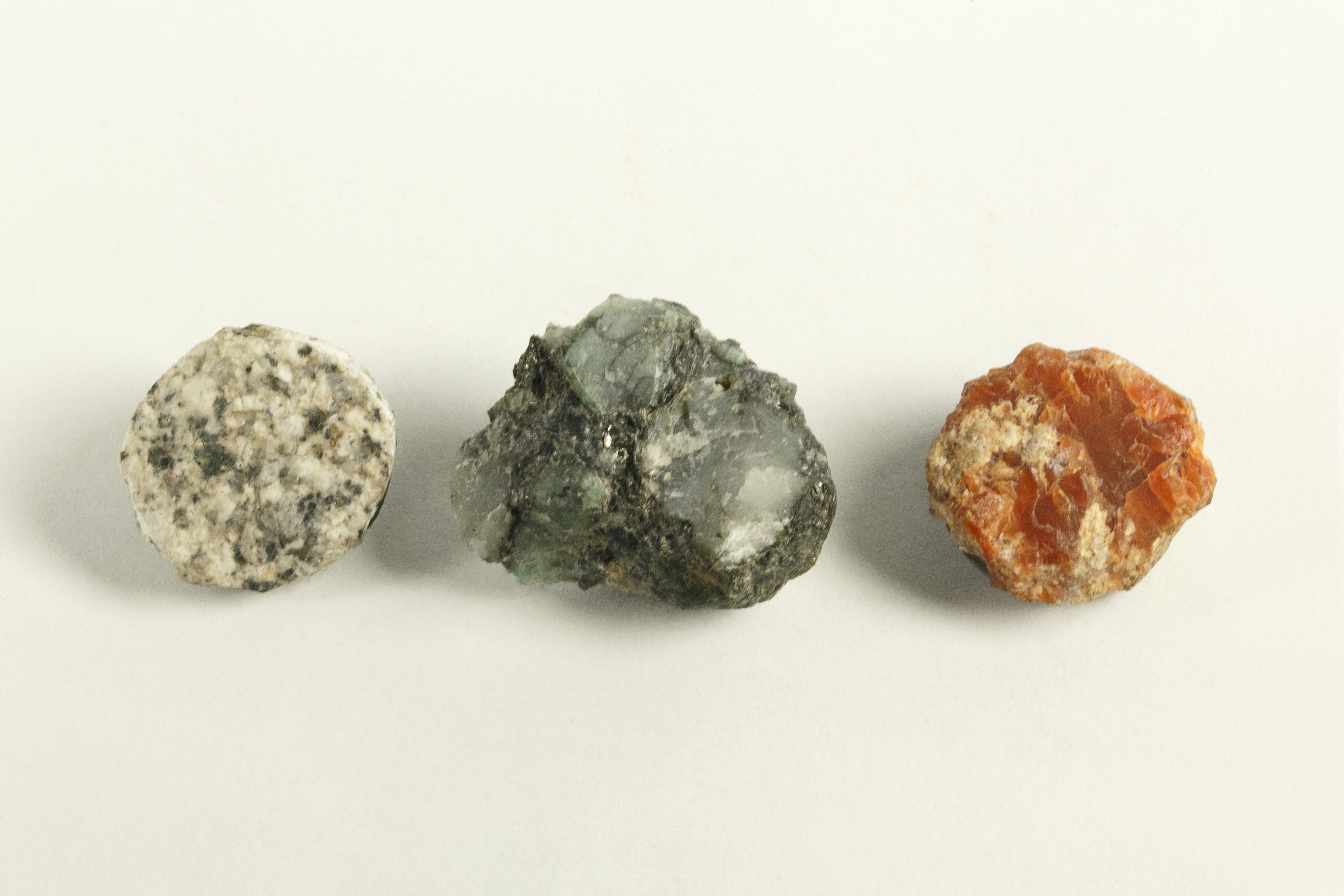
Gemstone mining presents another complex layer in this discussion. Traditionally seen as emblems of status and wealth, gemstones are now scrutinised for their ethical implications, such as environmental degradation and human rights violations. As public awareness of these issues increases, many consumers gravitate towards lab-created gemstones, which offer the same aesthetic appeal without the associated challenges, reflecting a larger cultural movement towards sustainability and ethical consumerism.
One of the most significant ethical advancements in contemporary society has been the emergence of plant-based alternatives to traditional animal products. Companies like Beyond Meat and Impossible Foods have innovated plant-based meats that closely replicate the taste, texture, and visual appeal of real meat. These products cater to a growing demographic increasingly concerned with animal welfare, environmental sustainability, and health benefits, encouraging a shift away from conventional meat consumption.
Grasping the economic motivations that fuel the rise of imitations and simulations is essential to understanding this phenomenon. Advances in mass production and rigorous cost-cutting strategies have made imitation goods accessible to a broad spectrum of consumers. From counterfeit electronics to replica artworks, these products attract individuals seeking luxury aesthetics without financial strain. While this trend raises legitimate concerns regarding quality and safety, it underscores a shift in consumer behaviour that increasingly prioritises affordability and accessibility.
The increasing dominance of imitations over authentic goods echoes Jean Baudrillard‘s theory of ‘simulacra’, where the distinction between what is real and what is simulation becomes indistinguishable. Baudrillard suggests that in our contemporary society, we are surrounded by signs and symbols that no longer point to any substantive reality but rather create a new reality of their own. This is vividly illustrated in the film “The Matrix,” where the simulated world becomes more real to its inhabitants than the actual world.
Imitation pearls and lab-grown alternatives, for instance, can be seen as simulacra. Their value is no longer tied to the natural process of pearl formation but to the ethical and aesthetic appeal they represent. These pearls have transcended their original forms, becoming new realities in themselves.
In medicine, aviation, and military contexts, simulations are not mere imitations but have become hyperreal. The virtual training environments and remote warfare operations blur the lines between the real and the simulated, making the imitation more real than reality. The psychological detachment experienced by drone operators, akin to a video game experience, exemplifies this hyperreality, complicating the ethical landscape of modern warfare.
Cultural appropriation, too, embodies Baudrillard’s concept of simulacra. Cultural symbols, once deeply rooted in their original contexts, are commodified and transformed into global commodities. The Māori trademark initiative is an attempt to preserve the authenticity and significance of these cultural symbols, resisting their reduction to mere simulacra.
In tourism, the mass-produced replicas of cultural artefacts become simulacra—objects that symbolise a culture or experience without having a real connection to it. However, these imitations democratise access to cultural symbols, allowing a broader audience to appreciate diverse heritages, even if the authenticity is diluted.
The fashion industry’s knock-offs challenge the exclusivity of high fashion. These imitations, accessible to a wider audience, become hyperreal—they are just as desirable, if not more so, than the original designer pieces.
Technological advances in producing high-quality replicas reflect Baudrillard’s idea of the precession of simulacra. The imitations precede and determine the real, making the distinction between the two irrelevant.
The rise of plant-based meat alternatives exemplifies the creation of simulacra in our diet. These products replicate the experience of eating meat without involving actual animals, creating a new reality that appeals to ethical and environmentally conscious consumers.
The proliferation of imitations enhances access to culture and style, yet it simultaneously challenges the intellectual property rights of creators and original manufacturers. This has led to numerous legal battles over copyright infringement and trademark violations, creating an uncertain environment for artists and designers. The complexity of these challenges often blurs the line between inspiration and theft, leaving creators to navigate a landscape where their work can be appropriated without proper attribution or compensation.
Despite these concerns, the rise of imitations presents unique opportunities for innovation and inclusivity. Many brands capitalise on imitation to produce accessible versions of high-end products, democratising fashion and allowing a broader audience to engage with contemporary style trends. Successful collaborations between original creators and manufacturers of imitations have led to ethically produced replicas that respect copyright while remaining affordable.
Nonetheless, this shift towards imitation requires us to reconsider our traditional notions of authenticity and originality. As consumers increasingly gravitate towards alternative forms of goods, a significant concern arises regarding the potential dilution of the cultural significance and value of original items. The appeal of imitations can overshadow the stories and craftsmanship behind authentic goods, resulting in a society where the value of an object is measured by its appearance rather than its intrinsic qualities.
In an ever-evolving world, the captivating allure of the illusory continues to reshape and redefine our perceptions of reality and value. This evolution encourages us to reevaluate how we engage with the world around us, balancing appreciation for genuine craftsmanship with the accessibility offered by imitations. Striking this balance may be key to fostering a more ethical consumer culture that honours both creativity and inclusivity while respecting the cultural contexts from which these imitations arise.
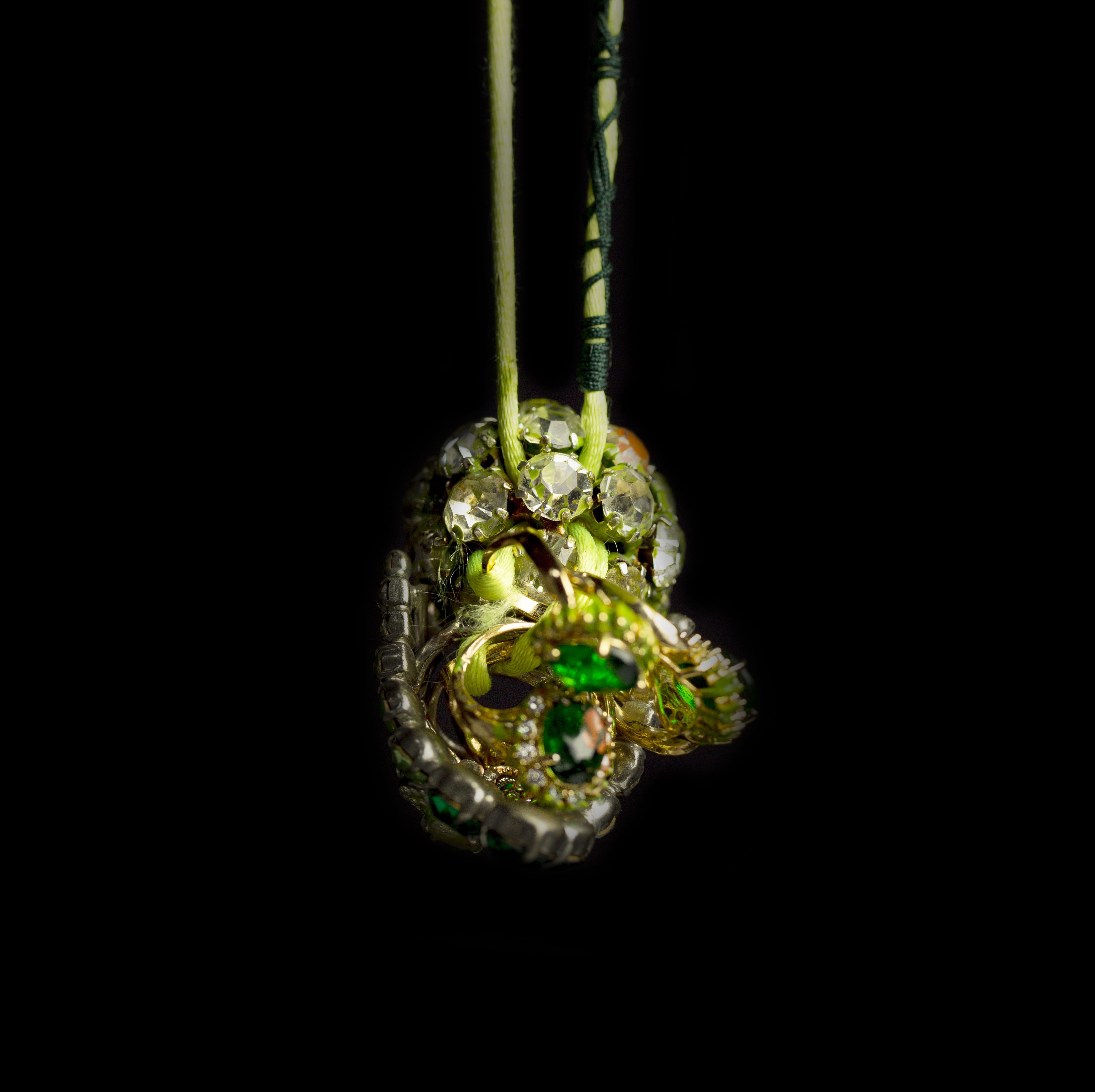
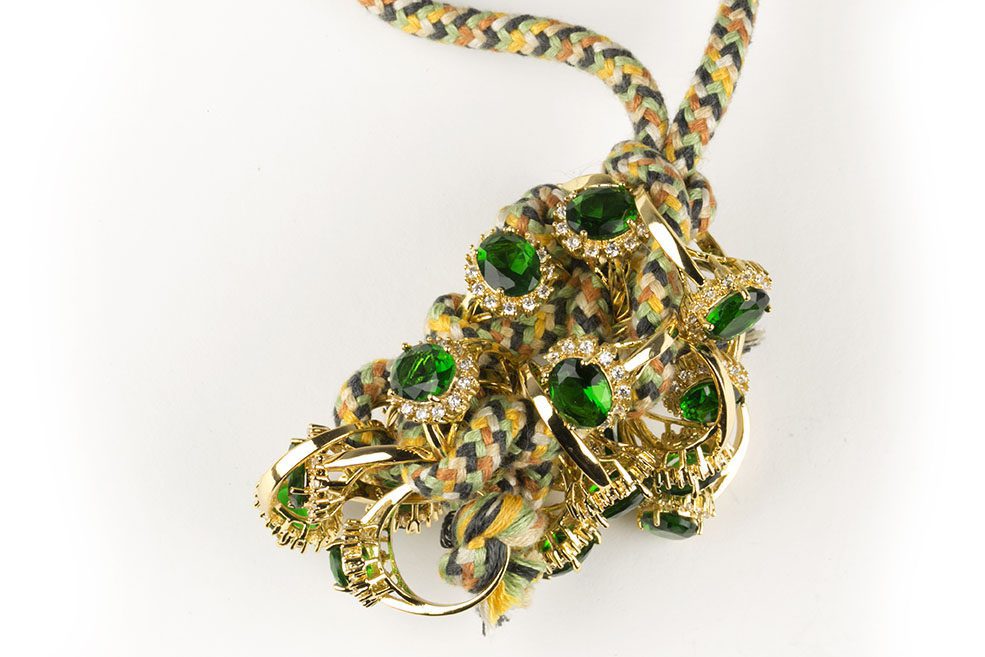
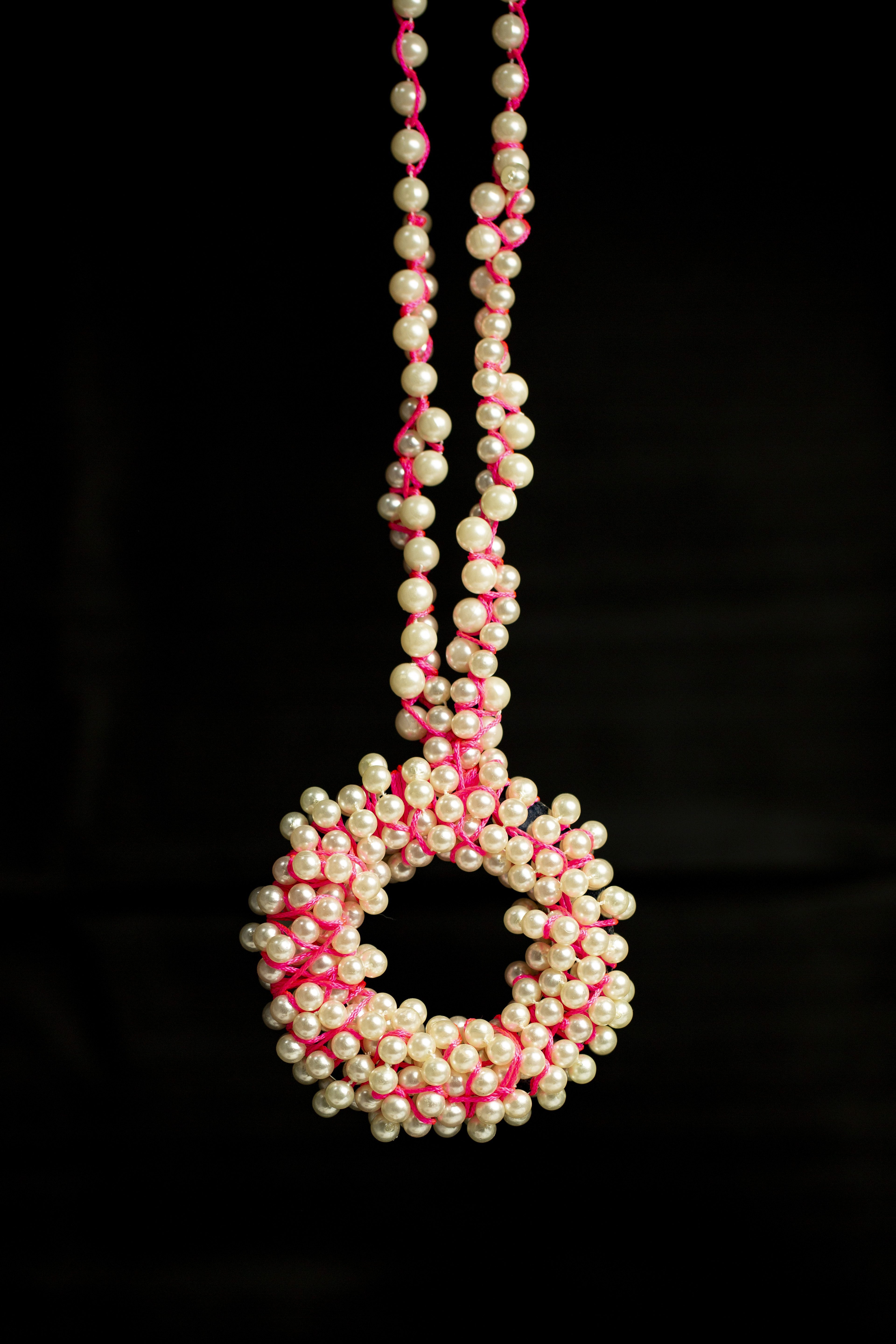
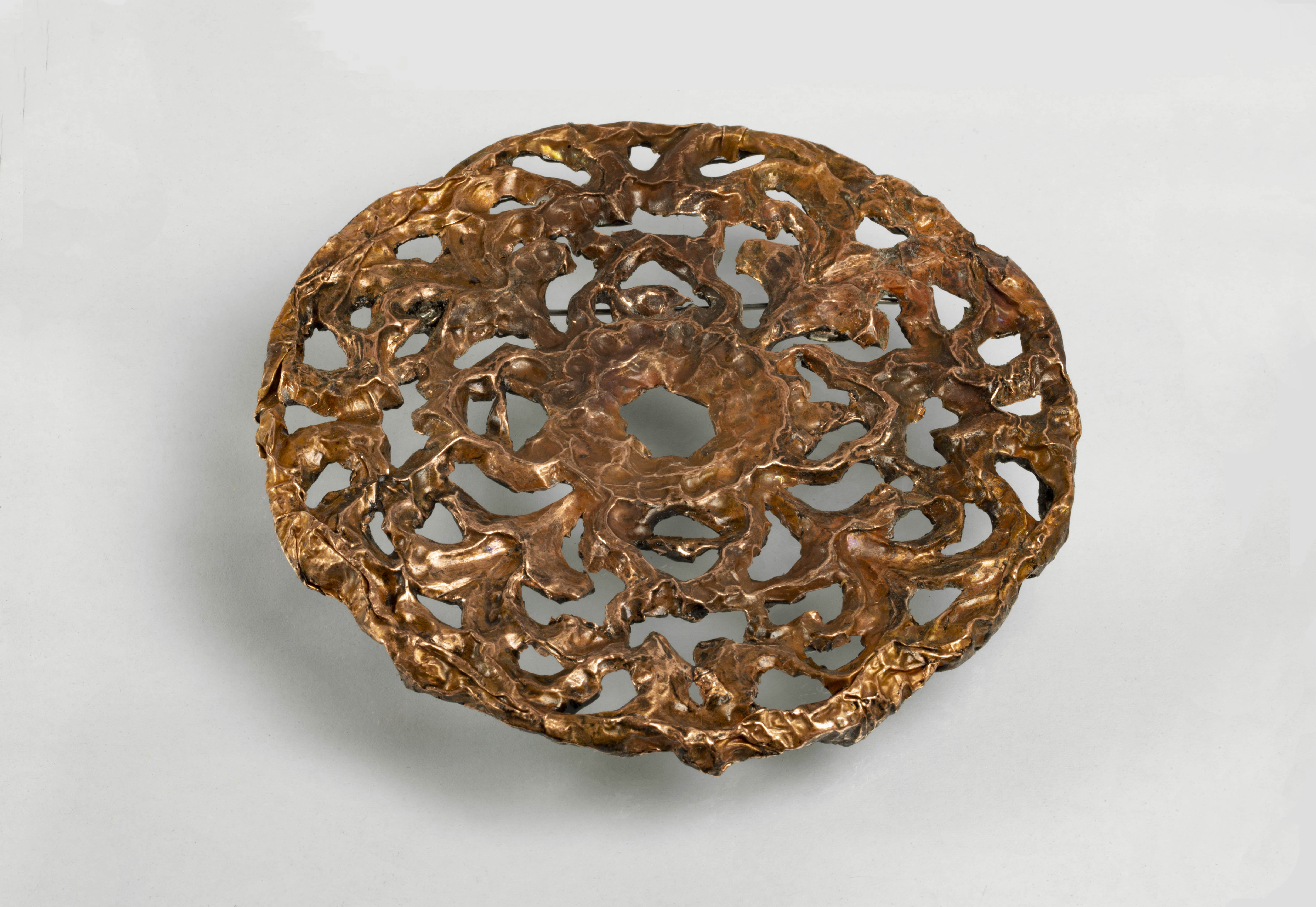
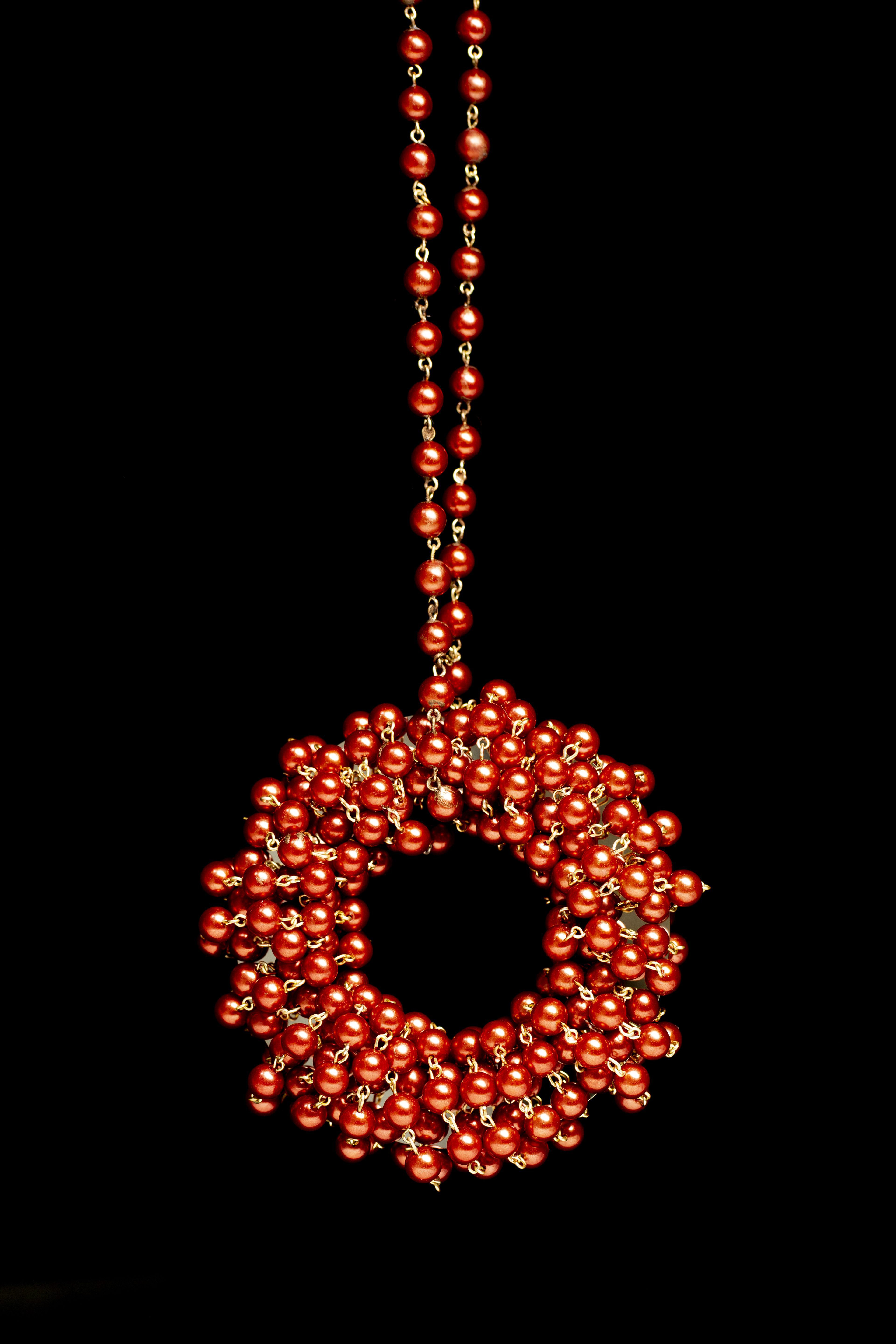
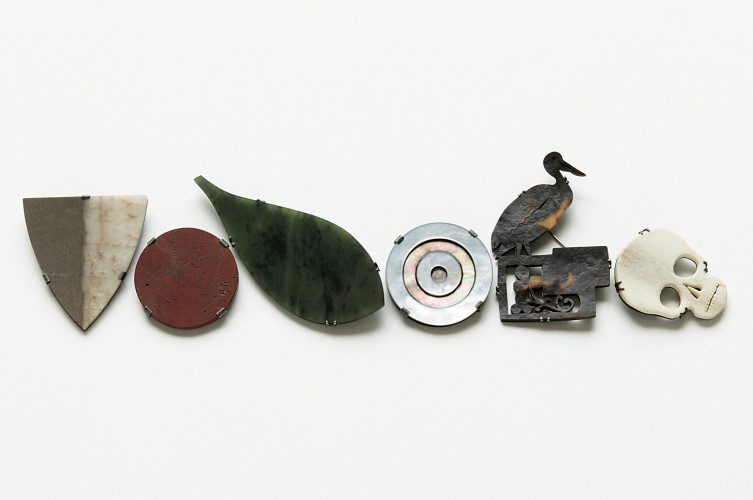
Insignia, Warwick Freeman various brooches
Philosophical Perspectives on Authenticity and Imitation
Socrates (470/469 – 399 BCE): Plato’s teacher, Socrates, emphasised the importance of self-knowledge and authenticity in living a virtuous life. He believed that understanding oneself and striving for personal excellence (arete) was essential for achieving authenticity.
Plato (427 – 347 BCE): Plato’s allegory of the cave is a foundational metaphor for understanding the distinction between reality and its representations. In his theory of forms, Plato argued that the physical world is a mere shadow of the true, eternal, and unchanging forms. Authenticity, for Plato, is about accessing these true forms and understanding their essence beyond mere imitations.
René Descartes (1596 – 1650): René Descartes, the father of modern philosophy, questioned the nature of reality and our ability to know it. His famous statement, “Cogito, ergo sum” (“I think, therefore I am”), emphasises the certainty of one’s own existence while casting doubt on the external world’s authenticity.
David Hume (1711 – 1776): David Hume, an empiricist philosopher, explored the nature of human perception and scepticism. He argued that our understanding of reality is based on sensory experiences, which can be deceptive. This raises questions about the authenticity of our perceptions and the imitations we create.
Immanuel Kant (1724 – 1804): Immanuel Kant focused on the relationship between human perception and reality. He argued that we can never know things as they are in themselves (noumena) but only as they appear to us (phenomena). This distinction emphasises the limitations of our knowledge and the potential for misinterpretation and imitation.
Søren Kierkegaard (1813 – 1855): Søren Kierkegaard, often considered the father of existentialism, focused on the individual’s subjective experience and the quest for authentic existence. He believed that true authenticity involves embracing one’s own unique path and making personal choices, even in the face of existential angst and uncertainty.
Friedrich Nietzsche (1844 – 1900): Friedrich Nietzsche critiqued the notion of authenticity by questioning the very foundations of truth and morality. He argued that what we consider “authentic” is often a construct of societal norms and values. Nietzsche’s concept of “becoming” suggests that authenticity is a continuous process of self-overcoming and transformation.
Martin Heidegger (1889 – 1976): Martin Heidegger explored authenticity in the context of “being-in-the-world.” He distinguished between “authentic” and “inauthentic” modes of existence, with authenticity involving a genuine engagement with one’s own existence and potential, rather than conforming to external expectations.
Jean-Paul Sartre (1905 – 1980): Jean-Paul Sartre, another key existentialist philosopher, emphasised the importance of personal freedom and responsibility in achieving authenticity. He argued that individuals must create their own values and meanings in a world without inherent purpose, thus embracing their authentic selves.
Simone de Beauvoir (1908 – 1986): Simone de Beauvoir expanded on existentialist themes by exploring the concept of authenticity concerning gender and social roles. She argued that women, in particular, face challenges in achieving authenticity due to societal expectations and constraints.
Theodor W. Adorno (1903 – 1969): Theodor W. Adorno, a critical theorist, examined the impact of mass culture and the culture industry on authenticity. He argued that mass-produced cultural products lack genuine originality and contribute to a homogenised, inauthentic experience.
Sigmund Freud (1856 – 1939): Sigmund Freud, the father of psychoanalysis, explored the unconscious mind’s role in shaping our perceptions of reality. He argued that much of human behaviour and experience is driven by unconscious desires and conflicts, which are often culturally influenced. Freud’s work highlights how our sense of reality is constructed through a complex interplay of internal drives and external cultural norms.
Martin Heidegger (1889 – 1976): Martin Heidegger explored authenticity in the context of “being-in-the-world.” He distinguished between “authentic” and “inauthentic” modes of existence, with authenticity involving a genuine engagement with one’s own existence and potential, rather than conforming to external expectations.
Jean-Paul Sartre (1905 – 1980): Jean-Paul Sartre, another key existentialist philosopher, emphasized the importance of personal freedom and responsibility in achieving authenticity. He argued that individuals must create their own values and meanings in a world without inherent purpose, thus embracing their authentic selves.
Simone de Beauvoir (1908 – 1986): Simone de Beauvoir expanded on existentialist themes by exploring the concept of authenticity in relation to gender and social roles. She argued that women, in particular, face challenges in achieving authenticity due to societal expectations and constraints.
Theodor W. Adorno (1903 – 1969): Theodor W. Adorno, a critical theorist, examined the impact of mass culture and the culture industry on authenticity. He argued that mass-produced cultural products lack genuine originality and contribute to a homogenized, inauthentic experience.
Walter Benjamin (1892 – 1940): Walter Benjamin explored the concept of authenticity in the age of mechanical reproduction. In his essay “The Work of Art in the Age of Mechanical Reproduction,” he argued that the aura of an original work of art is diminished when it is reproduced, raising questions about the value and authenticity of copies.
Jacques Lacan (1901 – 1981): Jacques Lacan, a psychoanalyst and philosopher, examined the role of language and symbols in shaping our perception of reality. He argued that our sense of self and reality is constructed through language and is therefore inherently imitative and fragmented.
Jean Baudrillard (1929 – 2007): Jean Baudrillard introduced the concept of simulacra, where the imitation becomes more real than reality itself. In his view, modern society is dominated by signs and symbols that no longer point to any substantive reality but rather create a new hyperreality. This challenges traditional notions of authenticity, as the distinction between the real and its representation becomes blurred or lost. Baudrillard’s ideas are vividly illustrated in the film “The Matrix,” where the simulated world becomes more real to its inhabitants than the actual world.
Gilles Deleuze and Félix Guattari (1925 – 1995; 1930 – 1992): Gilles Deleuze and Félix Guattari explored the concept of multiplicity and becoming in their work. They challenged traditional notions of fixed identities and authenticity, emphasising the fluid and ever-changing nature of reality and selfhood.
Jean-François Lyotard (1924 – 1998): Jean-François Lyotard, a postmodern philosopher, questioned the idea of grand narratives and universal truths. He argued that in the postmodern age, authenticity is fragmented and contextual, with multiple, competing perspectives on reality.
These philosophers have provided diverse and profound insights into the nature of authenticity and imitation, each contributing to a richer understanding of what it means to live an authentic life.
https://archive.org/details/virtuesofauthent0000neha?form=MG0AV3
https://academic.oup.com/book/33452/chapter-abstract/287723262?redirectedFrom=fulltext
https://cah.ucf.edu/fpr/article/authenticity-existential-virtue-or-platonic-ideal/?form=MG0AV3
Fact-checked and referenced by Microsoft Copilot
The Shadows of Reality
by PD
In his famous allegory of the cave, the ancient Greek philosopher Plato presents a compelling metaphor for how humans perceive and understand reality. Plato imagines a group of people who have lived their entire lives chained inside a dark cave, facing a blank wall. Behind them, a fire burns, and between the fire and the prisoners’ back is a walkway where objects are moved, casting shadows on the wall in front of the prisoners. These shadows constitute the only reality the prisoners know. According to Plato, the shadows on the wall are merely imitations of the true forms of objects, which exist outside the cave in the real world. The prisoners perceive these shadows as actual objects, unaware of the deeper truths beyond their limited perception. This allegory highlights how relying on superficial representations distorts our understanding of reality. It illustrates that true knowledge requires moving beyond these illusions to grasp the essence of what is real. This opening passage introduces the complex and subjective nature of reality, the distinction between genuine and imitation goods, and the blurring of the lines between reality and simulation.
In our contemporary world, the boundaries between what is genuine and what is imitation are becoming increasingly blurred. The allure of imitations, simulations, and knock-offs resonates strongly across various sectors, fuelled by diverse motivations that encompass ethical considerations, economic advantages, and a growing desire for accessibility.
Historically, pearls were revered as luxury items, meticulously harvested from oysters in a process that often harmed these marine creatures. Pearls have a timeless elegance that transcends any specific comparison. They possess unique visual qualities and cultural significance.
In response to the ethical issues surrounding the traditional harvesting of pearls, the market has embraced imitation pearls. Initially, this began with cultured pearls, which are created by inserting a small bead or piece of tissue into an oyster or mollusc to encourage pearl formation. Later, this expanded to faux pearls crafted from materials such as glass, plastic, or nacre. These imitation pearls offer a cheap cruelty-free alternative, allowing makers like myself and consumers to enjoy beauty without moral dilemmas. This transition signifies a broader shift towards ethical practices in the fashion and jewellery industries, further exemplified by the rise of lab-grown pearls, which minimise the ecological footprint of conventional pearl farming. However, this shift is not always embraced by the jewellery trade industry or even contemporary jewellery practitioners.
The increasing reliance on simulations provides a compelling example of how the real is often supplanted by virtual alternatives. In critical fields such as medicine, aviation, and military training, simulations serve as invaluable educational tools. By leveraging advanced software and immersive virtual reality technologies, these simulations recreate intricate real-world scenarios, allowing individuals to learn and practise in a safe, controlled environment. This not only mitigates risks associated with real-life training but also represents a cost-effective solution compared to traditional methods.
In military contexts, the emergence of virtual warfare blurs the lines between reality and simulation. Operators control remote devices, such as drones, to engage targets from a distance, often creating a sense of detachment reminiscent of a video game experience. The ability to kill from afar provides a sense of control, with operators feeling empowered in their actions, similar to players in a virtual environment. This raises complex ethical questions about the nature of engagement and responsibility compared to soldiers on the ground who face the immediate consequences of their actions. The psychological impact of this detachment may desensitise individuals to the realities of warfare, complicating the moral landscape of military engagement.
In the medical field, the concept of placebo simulations adds another layer to the discussion of reality versus imitation. Placebos, by mimicking real treatments, demonstrate the power of belief and expectation in healing processes, challenging our understanding of what constitutes genuine medical intervention. These simulations contribute to the broader narrative of how imitations can impact perceptions and outcomes, making them a compelling case study in the ongoing exploration of what is truly real.
Moving from the realm of simulation to that of projecting culture, the issue of cultural appropriation plays a significant role in acknowledging authenticity. As elements of various cultures are adopted and adapted, the line between appreciation and appropriation can become blurred. While imitation can facilitate broader cultural exchange and understanding, it can also commodify cultural symbols, stripping them of their original significance. This raises ethical questions about who profits from cultural expressions and whether those who adopt these elements genuinely respect their origins. To combat this issue, the Māori have implemented a trademark plan designed to protect unique Māori designs from overseas producers who sell items claimed to be authentic. This initiative seeks to safeguard the cultural heritage and intellectual property of Māori artists, ensuring that any use of their designs is granted permission, is respectful, and acknowledges their origins.
When it comes to souvenirs, tourists are often drawn to items that exude authenticity, particularly those that embody unique cultural artefacts. However, many products marketed as “authentic” are mass-produced replicas created to meet high demand. These imitations enable travellers to bring home tangible reminders of their journeys without the steep costs or ethical dilemmas tied to genuine items. While some critics argue that choosing replicas diminishes the value of original cultural artefacts, others contend that it democratises access to cultural symbols, allowing a broader audience to appreciate diverse heritages. Additionally, these smaller, more portable souvenirs often serve as compact reminders of a place, encapsulating memories in a form that is easily shared.
In the fashion industry, imitation reigns supreme. High-end designer pieces are frequently replicated and sold at significantly lower prices in high-street stores. This accessibility allows consumers to participate in current fashion trends without the hefty financial burden often associated with luxury items. While this proliferation of knock-offs raises questions regarding intellectual property rights and the intrinsic value of originality, it challenges the exclusivity traditionally linked to high fashion, promoting a more inclusive marketplace.
Technological advances in scanning, prototyping, and robotics have further transformed the production of imitations and replicas, enabling the creation of cheaper, smaller, and potentially unique goods. These innovations allow for rapid design iterations and customisation, making it easier for manufacturers to produce tailored products that appeal to diverse consumer preferences. As a result, consumers can access high-quality imitations that closely resemble their authentic counterparts, often at a fraction of the cost.
Gemstone mining presents another complex layer in this discussion. Traditionally seen as emblems of status and wealth, gemstones are now scrutinised for their ethical implications, such as environmental degradation and human rights violations. As public awareness of these issues increases, many consumers gravitate towards lab-created gemstones, which offer the same aesthetic appeal without the associated challenges, reflecting a larger cultural movement towards sustainability and ethical consumerism.
One of the most significant ethical advancements in contemporary society has been the emergence of plant-based alternatives to traditional animal products. Companies like Beyond Meat and Impossible Foods have innovated plant-based meats that closely replicate the taste, texture, and visual appeal of real meat. These products cater to a growing demographic increasingly concerned with animal welfare, environmental sustainability, and health benefits, encouraging a shift away from conventional meat consumption.
Grasping the economic motivations that fuel the rise of imitations and simulations is essential to understanding this phenomenon. Advances in mass production and rigorous cost-cutting strategies have made imitation goods accessible to a broad spectrum of consumers. From counterfeit electronics to replica artworks, these products attract individuals seeking luxury aesthetics without financial strain. While this trend raises legitimate concerns regarding quality and safety, it underscores a shift in consumer behaviour that increasingly prioritises affordability and accessibility.
The increasing dominance of imitations over authentic goods echoes Jean Baudrillard’s theory of ‘simulacra’, where the distinction between what is real and what is simulation becomes indistinguishable. Baudrillard suggests that in our contemporary society, we are surrounded by signs and symbols that no longer point to any substantive reality but rather create a new reality of their own. This is vividly illustrated in the film “The Matrix,” where the simulated world becomes more real to its inhabitants than the actual world.
Imitation pearls and lab-grown alternatives, for instance, can be seen as simulacra. Their value is no longer tied to the natural process of pearl formation but to the ethical and aesthetic appeal they represent. These pearls have transcended their original forms, becoming new realities in themselves.
In medicine, aviation, and military contexts, simulations are not mere imitations but have become hyperreal. The virtual training environments and remote warfare operations blur the lines between the real and the simulated, making the imitation more real than reality. The psychological detachment experienced by drone operators, akin to a video game experience, exemplifies this hyperreality, complicating the ethical landscape of modern warfare.
Cultural appropriation, too, embodies Baudrillard’s concept of simulacra. Cultural symbols, once deeply rooted in their original contexts, are commodified and transformed into global commodities. The Māori trademark initiative is an attempt to preserve the authenticity and significance of these cultural symbols, resisting their reduction to mere simulacra.
In tourism, the mass-produced replicas of cultural artefacts become simulacra—objects that symbolise a culture or experience without having a real connection to it. However, these imitations democratise access to cultural symbols, allowing a broader audience to appreciate diverse heritages, even if the authenticity is diluted.
The fashion industry’s knock-offs challenge the exclusivity of high fashion. These imitations, accessible to a wider audience, become hyperreal—they are just as desirable, if not more so, than the original designer pieces.
Technological advances in producing high-quality replicas reflect Baudrillard’s idea of the precession of simulacra. The imitations precede and determine the real, making the distinction between the two irrelevant.
The rise of plant-based meat alternatives exemplifies the creation of simulacra in our diet. These products replicate the experience of eating meat without involving actual animals, creating a new reality that appeals to ethical and environmentally conscious consumers.
The proliferation of imitations enhances access to culture and style, yet it simultaneously challenges the intellectual property rights of creators and original manufacturers. This has led to numerous legal battles over copyright infringement and trademark violations, creating an uncertain environment for artists and designers. The complexity of these challenges often blurs the line between inspiration and theft, leaving creators to navigate a landscape where their work can be appropriated without proper attribution or compensation.
Despite these concerns, the rise of imitations presents unique opportunities for innovation and inclusivity. Many brands capitalise on imitation to produce accessible versions of high-end products, democratising fashion and allowing a broader audience to engage with contemporary style trends. Successful collaborations between original creators and manufacturers of imitations have led to ethically produced replicas that respect copyright while remaining affordable.
Nonetheless, this shift towards imitation requires us to reconsider our traditional notions of authenticity and originality. As consumers increasingly gravitate towards alternative forms of goods, a significant concern arises regarding the potential dilution of the cultural significance and value of original items. The appeal of imitations can overshadow the stories and craftsmanship behind authentic goods, resulting in a society where the value of an object is measured by its appearance rather than its intrinsic qualities.
In an ever-evolving world, the captivating allure of the illusory continues to reshape and redefine our perceptions of reality and value. This evolution encourages us to reevaluate how we engage with the world around us, balancing appreciation for genuine craftsmanship with the accessibility offered by imitations. Striking this balance may be key to fostering a more ethical consumer culture that honours both creativity and inclusivity while respecting the cultural contexts from which these imitations arise.
Fact-checking and editing by Microsoft Copilot
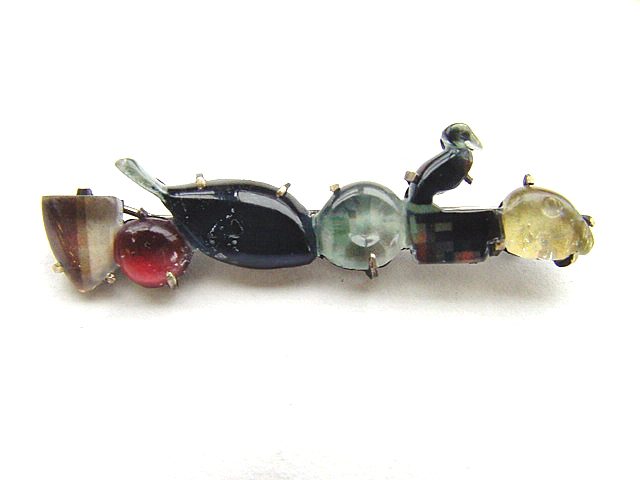
Starform Insignia, Peter Deckers, 2005 brooch
Philosophical Perspectives on Authenticity and Imitation
Socrates (470/469 – 399 BCE): Plato’s teacher, Socrates, emphasized the importance of self-knowledge and authenticity in living a virtuous life. He believed that understanding oneself and striving for personal excellence (arete) was essential for achieving authenticity.
Plato (427 – 347 BCE): Plato’s allegory of the cave is a foundational metaphor for understanding the distinction between reality and its representations. In his theory of forms, Plato argued that the physical world is a mere shadow of the true, eternal, and unchanging forms. Authenticity, for Plato, is about accessing these true forms and understanding their essence beyond mere imitations.
René Descartes (1596 – 1650): René Descartes, the father of modern philosophy, questioned the nature of reality and our ability to know it. His famous statement, “Cogito, ergo sum” (“I think, therefore I am”), emphasises the certainty of one’s own existence while casting doubt on the external world’s authenticity.
David Hume (1711 – 1776): David Hume, an empiricist philosopher, explored the nature of human perception and scepticism. He argued that our understanding of reality is based on sensory experiences, which can be deceptive. This raises questions about the authenticity of our perceptions and the imitations we create.
Immanuel Kant (1724 – 1804): Immanuel Kant focused on the relationship between human perception and reality. He argued that we can never know things as they are in themselves (noumena) but only as they appear to us (phenomena). This distinction emphasises the limitations of our knowledge and the potential for misinterpretation and imitation.
Søren Kierkegaard (1813 – 1855): Søren Kierkegaard, often considered the father of existentialism, focused on the individual’s subjective experience and the quest for authentic existence. He believed that true authenticity involves embracing one’s own unique path and making personal choices, even in the face of existential angst and uncertainty.
Friedrich Nietzsche (1844 – 1900): Friedrich Nietzsche critiqued the notion of authenticity by questioning the very foundations of truth and morality. He argued that what we consider “authentic” is often a construct of societal norms and values. Nietzsche’s concept of “becoming” suggests that authenticity is a continuous process of self-overcoming and transformation.
Martin Heidegger (1889 – 1976): Martin Heidegger explored authenticity in the context of “being-in-the-world.” He distinguished between “authentic” and “inauthentic” modes of existence, with authenticity involving a genuine engagement with one’s own existence and potential, rather than conforming to external expectations.
Jean-Paul Sartre (1905 – 1980): Jean-Paul Sartre, another key existentialist philosopher, emphasised the importance of personal freedom and responsibility in achieving authenticity. He argued that individuals must create their own values and meanings in a world without inherent purpose, thus embracing their authentic selves.
Simone de Beauvoir (1908 – 1986): Simone de Beauvoir expanded on existentialist themes by exploring the concept of authenticity concerning gender and social roles. She argued that women, in particular, face challenges in achieving authenticity due to societal expectations and constraints.
Theodor W. Adorno (1903 – 1969): Theodor W. Adorno, a critical theorist, examined the impact of mass culture and the culture industry on authenticity. He argued that mass-produced cultural products lack genuine originality and contribute to a homogenised, inauthentic experience.
Sigmund Freud (1856 – 1939): Sigmund Freud, the father of psychoanalysis, explored the unconscious mind’s role in shaping our perceptions of reality. He argued that much of human behaviour and experience is driven by unconscious desires and conflicts, which are often culturally influenced. Freud’s work highlights how our sense of reality is constructed through a complex interplay of internal drives and external cultural norms.
Martin Heidegger (1889 – 1976): Martin Heidegger explored authenticity in the context of “being-in-the-world.” He distinguished between “authentic” and “inauthentic” modes of existence, with authenticity involving a genuine engagement with one’s own existence and potential, rather than conforming to external expectations.
Jean-Paul Sartre (1905 – 1980): Jean-Paul Sartre, another key existentialist philosopher, emphasized the importance of personal freedom and responsibility in achieving authenticity. He argued that individuals must create their own values and meanings in a world without inherent purpose, thus embracing their authentic selves.
Simone de Beauvoir (1908 – 1986): Simone de Beauvoir expanded on existentialist themes by exploring the concept of authenticity in relation to gender and social roles. She argued that women, in particular, face challenges in achieving authenticity due to societal expectations and constraints.
Theodor W. Adorno (1903 – 1969): Theodor W. Adorno, a critical theorist, examined the impact of mass culture and the culture industry on authenticity. He argued that mass-produced cultural products lack genuine originality and contribute to a homogenized, inauthentic experience.
Walter Benjamin (1892 – 1940): Walter Benjamin explored the concept of authenticity in the age of mechanical reproduction. In his essay “The Work of Art in the Age of Mechanical Reproduction,” he argued that the aura of an original work of art is diminished when it is reproduced, raising questions about the value and authenticity of copies.
Jacques Lacan (1901 – 1981): Jacques Lacan, a psychoanalyst and philosopher, examined the role of language and symbols in shaping our perception of reality. He argued that our sense of self and reality is constructed through language and is therefore inherently imitative and fragmented.
Jean Baudrillard (1929 – 2007): Jean Baudrillard introduced the concept of simulacra, where the imitation becomes more real than reality itself. In his view, modern society is dominated by signs and symbols that no longer point to any substantive reality but rather create a new hyperreality. This challenges traditional notions of authenticity, as the distinction between the real and its representation becomes blurred or lost. Baudrillard’s ideas are vividly illustrated in the film “The Matrix,” where the simulated world becomes more real to its inhabitants than the actual world.
Gilles Deleuze and Félix Guattari (1925 – 1995; 1930 – 1992): Gilles Deleuze and Félix Guattari explored the concept of multiplicity and becoming in their work. They challenged traditional notions of fixed identities and authenticity, emphasising the fluid and ever-changing nature of reality and selfhood.
Jean-François Lyotard (1924 – 1998): Jean-François Lyotard, a postmodern philosopher, questioned the idea of grand narratives and universal truths. He argued that in the postmodern age, authenticity is fragmented and contextual, with multiple, competing perspectives on reality.
These philosophers have provided diverse and profound insights into the nature of authenticity and imitation, each contributing to a richer understanding of what it means to live an authentic life.
https://archive.org/details/virtuesofauthent0000neha?form=MG0AV3
https://academic.oup.com/book/33452/chapter-abstract/287723262?redirectedFrom=fulltext
https://cah.ucf.edu/fpr/article/authenticity-existential-virtue-or-platonic-ideal/?form=MG0AV3
Fact-checked and referenced by Microsoft Copilot
Various Ways in Which Reality and Its Representations Intersect, Blur, and Transform
This expanded list encompasses a wide range of concepts, illustrating the complexity and richness of the topic:
Originality: The genuine, authentic item or concept, often valued for its uniqueness, craftsmanship, and origin.
Simulation: A recreation or model of the original that attempts to mimic its characteristics. Involves technology and often serves educational or training purposes, e.g., flight simulators.
Faux: French for “false”, it typically refers to products made to look like something else, usually higher-end or luxury items, e.g., faux fur.
Imitations: These are copies meant to resemble the original closely but usually lack the same quality or authenticity. They are widespread in fashion and art.
Copies: Direct reproductions of the original, meant to replicate it exactly. Often discussed in the context of intellectual property and copyrights.
Clones: Exact biological or digital replicas, often used in scientific, technological, and agricultural contexts, e.g., cloned animals or digital files.
Appropriation: The act of taking something from another culture or context, often without permission, and adapting it to new uses. It raises ethical issues regarding respect and originality.
Simulacra: A concept from Baudrillard’s theory, where the imitation becomes more real than reality itself. It suggests that the distinction between reality and its representation is blurred or lost, as seen in the film “The Matrix.”
Replica: Often used to describe detailed and accurate reproductions of valuable or historical items, such as replica artifacts in museums or replica furniture.
Forgery: Deliberate creation of a fake version of something, typically artworks or documents, intended to deceive people into believing they are genuine.
Plagiarism: The act of copying someone else’s work or ideas and passing them off as one’s own. This is common in academic contexts and creative industries.
Parody: A humorous or satirical imitation of a serious piece of literature, film, music, or art. Parodies exaggerate certain elements to achieve a comedic effect while still referencing the original.
Counterfeit: Illegal reproduction of currency, documents, and branded products with the intent to deceive and pass them off as real. Counterfeit goods are a significant problem in luxury markets.
Bootleg: Unofficial or unauthorized recordings, especially of music concerts or films. Bootlegs are distributed without the permission of the original creators.
Cover Version: A new performance or recording of a previously recorded song by someone other than the original artist. Cover versions can reinterpret the original while paying homage to it.
Pastiche: A work of art that imitates the style of one or more other artists, genres, or works. Unlike parody, pastiche is generally respectful and celebrates the style it mimics.
Homage: Similar to pastiche but often refers to a direct acknowledgment or tribute to another artist’s work, style, or influence.
Fan Fiction: Stories created by fans of an original work (such as a book, movie, or TV show) that use its characters and settings in new plots and scenarios. These works are unofficial and typically shared within fan communities.
Reboot: A new version of an existing film, TV series, or franchise that usually starts fresh with a new storyline and characters, ignoring previous continuity.
Reproduction: Often used in the context of art and historical items, where exact copies are made to allow the original to be preserved. Reproductions can be in forms like prints, sculptures, etc.
Simulation Theory: A philosophical concept suggesting that reality could be a simulated construct, such as a computer simulation. This theory posits that what we perceive as reality might be an artificial creation.
Derivative Work: A new, original piece of work based on or derived from one or more existing works. This can include translations, musical arrangements, dramatizations, and adaptations.
Remix: Taking existing media content and altering it to create something new, often seen in music but also applicable to other media forms such as video and literature.
Adaptation: The process of modifying a work to fit a different medium or context, such as turning a book into a film or a play into a musical.
Facsimile: An exact copy or reproduction of a document, book, or other item, typically used for archival or historical purposes.